
The notion of the rich giving up their private jets is a provocative one, stirring debates about environmental responsibility, economic impact, and social equality. Through three hypothetical scenarios, we can better understand the potential consequences and benefits of such a significant shift.
Environmental Impact

One of the most immediate effects of the wealthy abandoning private jets would be a significant reduction in carbon emissions. Private jets are known to have a disproportionately large carbon footprint compared to commercial flights. According to studies, the emissions per passenger are several times higher on private jets. By reducing the number of private flights, we could see a substantial decrease in overall aviation emissions, contributing positively to global efforts against climate change.
This move could also shift the landscape of climate activism. If influential figures were to give up their jets, it might encourage a wider conversation about environmental responsibility among the affluent. Such actions could inspire broader changes in consumer behavior, as people increasingly consider the environmental impacts of their travel choices. The ripple effects could lead to strengthened climate movements and heightened public awareness.
Moreover, the decline of the private jet industry might spur advancements in sustainable aviation technology. With fewer private jets in use, there could be increased investment in developing greener alternatives. Companies may focus on creating more efficient engines or exploring alternative fuels, driving innovation in the aviation sector. This shift could lead to breakthroughs that benefit both the environment and the industry.
Economic Repercussions
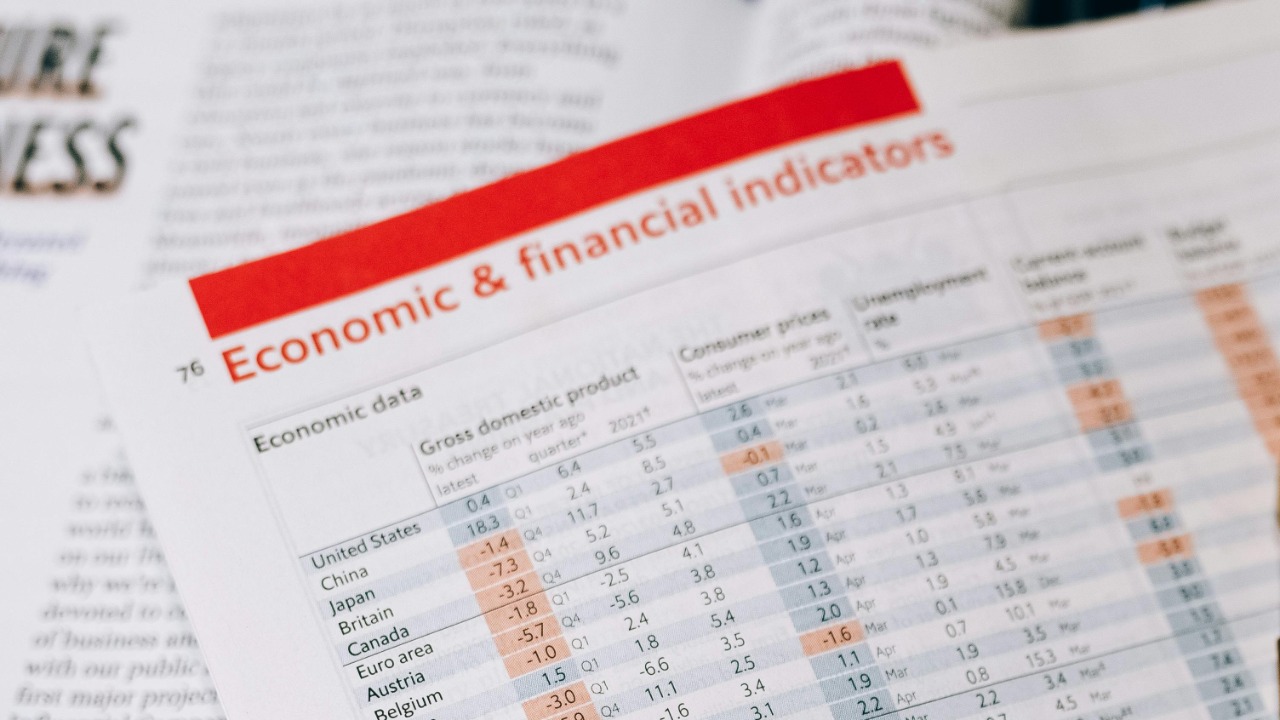
The economic repercussions of the wealthy giving up their private jets would be significant, particularly for the aviation industry. Private jet manufacturers and maintenance providers could face a downturn, as the demand for luxury aviation diminishes. However, commercial airlines might experience an influx of former private jet clients, potentially boosting their revenue and expanding their customer base.
Regions that rely heavily on the luxury aviation sector could face economic challenges. Job losses and economic downturns might occur in areas dependent on servicing private jets. However, this could also present opportunities for economic diversification, as resources are redirected to other sectors. The potential for economic redistribution could arise as funds previously spent on private jets are invested elsewhere, possibly leading to growth in different industries.
Such changes could lead to a market redistribution, where wealth is more evenly spread across various sectors. This might result in a more balanced economic landscape, where resources are allocated to areas that benefit a broader segment of society. The shift in spending habits could stimulate different parts of the economy, fostering growth and innovation beyond luxury aviation.
Social and Cultural Shifts

Abandoning private jets could lead to a redefinition of what is considered luxurious or status-symbolic among the wealthy. As private jets lose their allure, other forms of luxury might take their place, influencing the cultural perceptions of wealth. This change could prompt a broader cultural shift, where luxury is no longer tied to exclusivity but to sustainability and social responsibility.
The decision by affluent individuals to give up their jets might increase pressure on other public figures and wealthy individuals to make similar sacrifices. Society might expect more from those with the means to contribute to the greater good, leading to increased scrutiny of their lifestyles. This pressure could inspire more meaningful changes in how wealth is perceived and utilized.
The public’s reception of this change could vary. Some might view it as a genuine effort to address environmental and social issues, while others could see it as a superficial gesture. The sincerity of the move would likely be debated, with opinions shaped by the broader context of each individual’s actions and commitments to sustainability.
Logistical Challenges and Solutions

Transitioning wealthy individuals to commercial flights poses logistical challenges, particularly in terms of infrastructure adaptations. Airports might need to upgrade first-class services and facilities to accommodate the influx of high-profile passengers. Enhanced amenities could be required to meet the expectations of those accustomed to private jet travel.
Increased demand for commercial flights could lead to overcrowding, necessitating solutions such as increasing flight frequencies or expanding services. Airlines might need to adjust their operations to maintain efficiency and comfort for all passengers. Addressing these challenges would be crucial to ensuring a smooth transition for former private jet users.
Security and privacy concerns are also paramount for high-profile individuals traveling commercially. Measures such as private security escorts or exclusive airport lounges could be implemented to address these issues. Ensuring the safety and privacy of these travelers would be essential to making commercial flights a viable alternative to private jets.
Global Implications

The shift away from private jets could have significant influence on international policies, particularly regarding environmental regulations and travel standards. Countries might collaborate to establish stricter emissions targets and promote sustainable aviation practices. This could lead to a more unified approach to tackling climate change on a global scale.
While the move might contribute to reducing global inequality by leveling the playing field in terms of luxury travel, it could also simply shift the dynamics of luxury and accessibility. The focus might move from exclusive travel options to other forms of luxury, maintaining disparities in other areas. The impact on global inequality would depend on how wealth and resources are redistributed.
Such a significant action could inspire similar movements among wealthy individuals in other industries, prompting broader societal changes. If the affluent begin to prioritize sustainability and social responsibility across various sectors, it could lead to a cultural shift that emphasizes the collective good. This potential for global movements could pave the way for a more equitable and sustainable future.

Grant Mercer covers market dynamics, business trends, and the economic forces driving growth across industries. His analysis connects macro movements with real-world implications for investors, entrepreneurs, and professionals. Through his work at The Daily Overview, Grant helps readers understand how markets function and where opportunities may emerge.