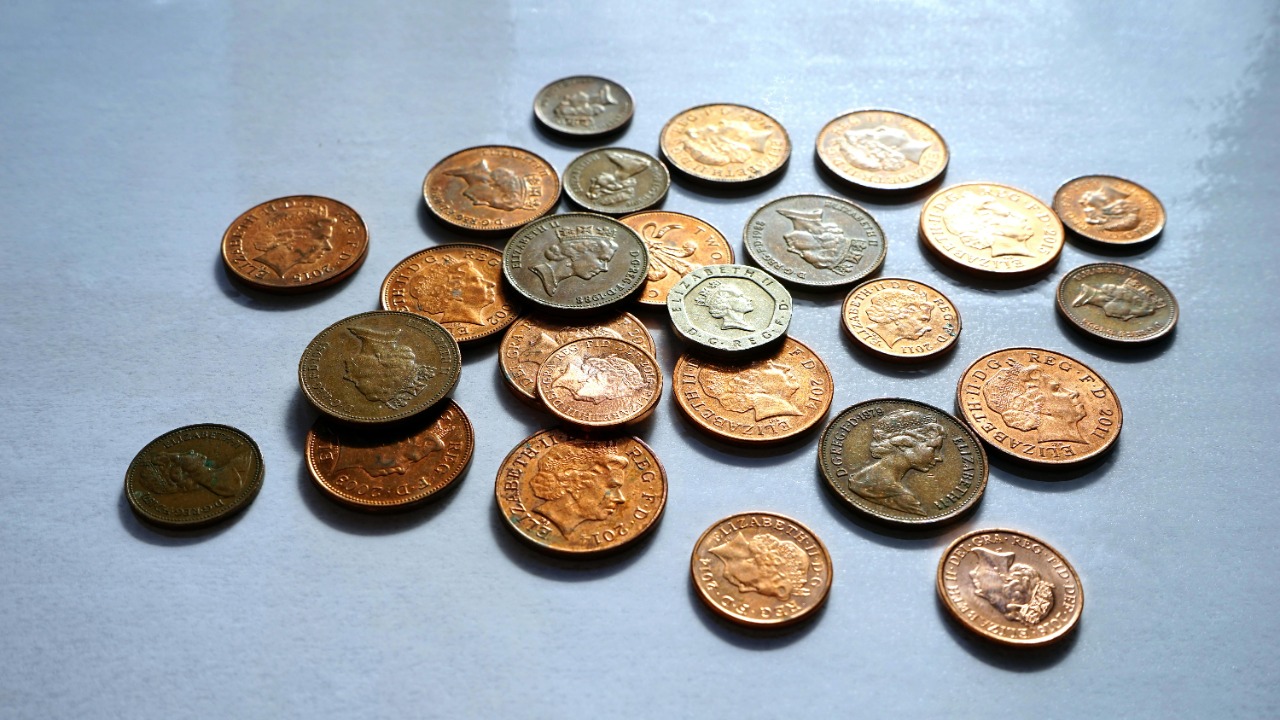
For coin collectors, the allure of rare coins lies not only in their historical significance but also in their potential value. Among the most coveted are those U.S. coins from the mid-20th century to the 1990s, which, due to minting errors or unique features, can fetch hundreds or even thousands of dollars. Here, we explore six such coins that have captured the attention of collectors and investors alike.
The 1943 Copper Lincoln Penny
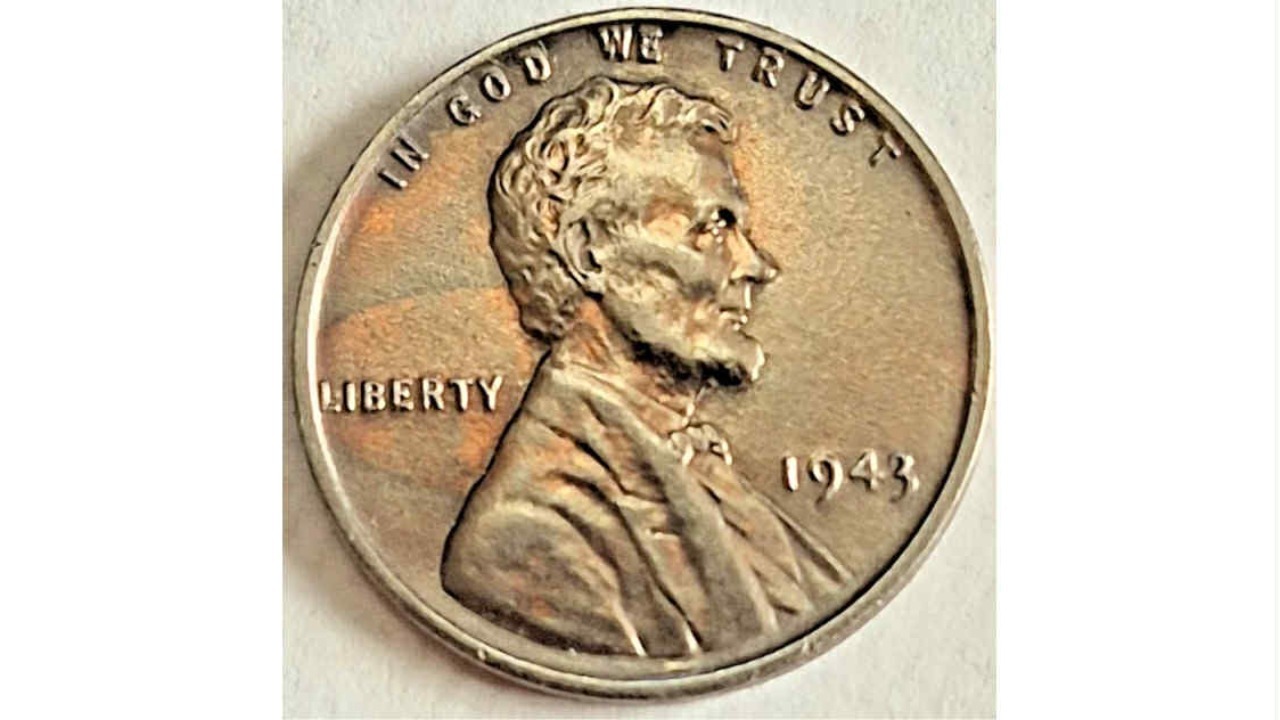
The 1943 Copper Lincoln Penny is a fascinating anomaly from the World War II era. During this time, the U.S. Mint produced pennies using zinc-coated steel to conserve copper for the war effort. However, a few pennies were mistakenly struck in copper, making them incredibly rare. These error coins are highly sought after by collectors, with values starting at hundreds and potentially reaching thousands of dollars depending on their condition. This penny’s rarity and historical context make it a prized possession for numismatists. For more details, see the AOL report.
The 1955 Doubled Die Obverse Lincoln Penny
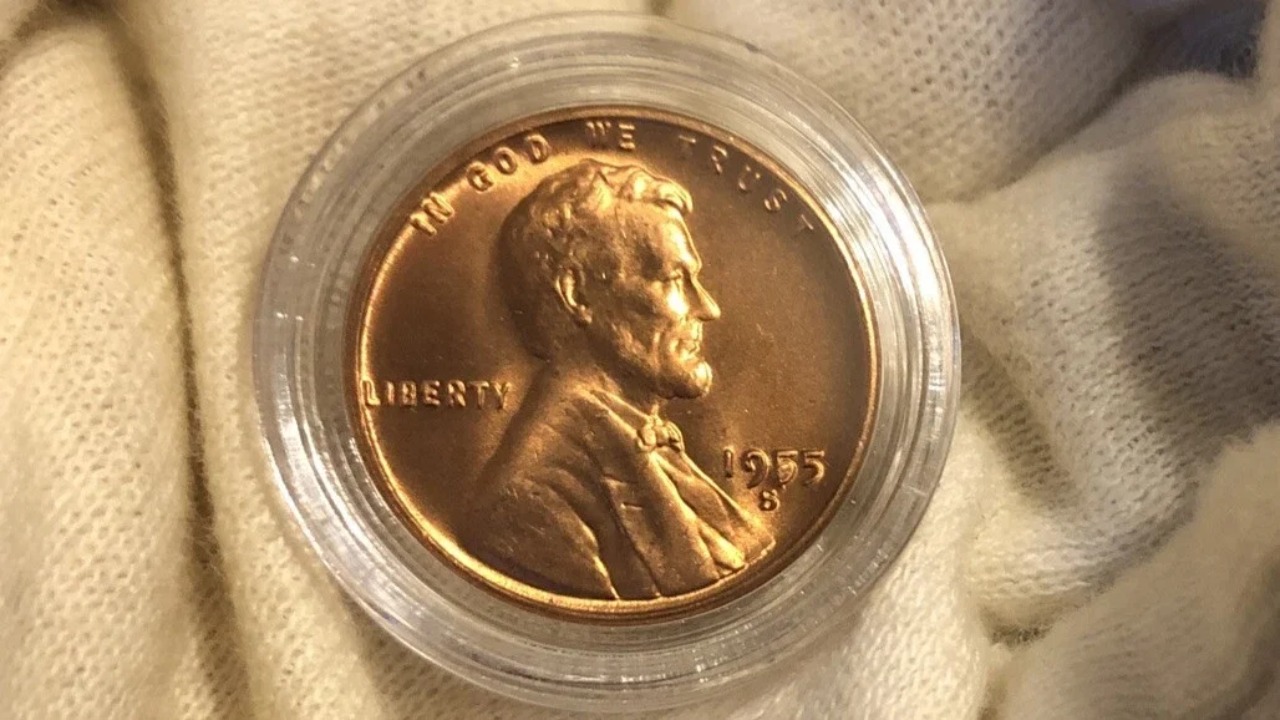
The 1955 Doubled Die Obverse Lincoln Penny is renowned for its striking minting error, where the date and lettering appear doubled. This error was a result of a misalignment during the minting process, leading to a distinctive and collectible coin. Even in circulated condition, these pennies can command prices in the hundreds due to their scarcity and the boldness of the error. Collectors prize these coins not only for their unique appearance but also for their representation of mid-20th-century minting practices.
The 1969-S Doubled Die Obverse Lincoln Penny
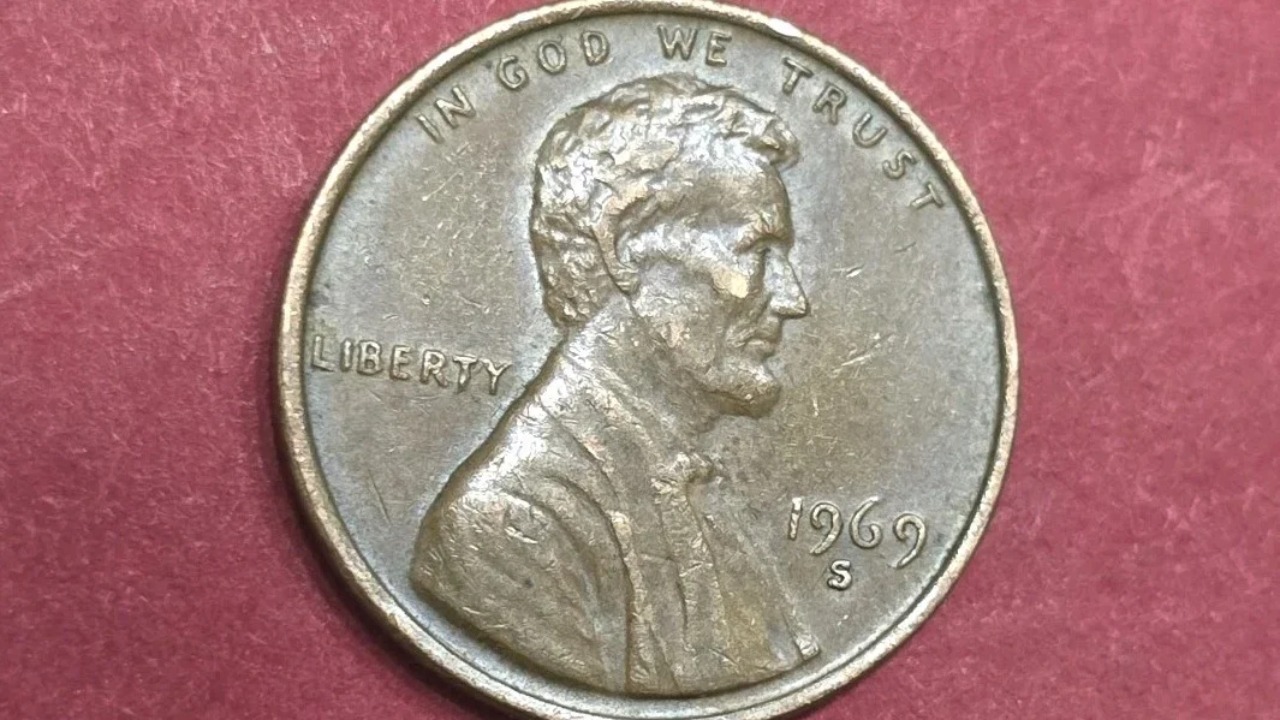
Among the rarest of the doubled die errors is the 1969-S Doubled Die Obverse Lincoln Penny. With only a few known examples, this coin is a top prize for collectors. The doubling is evident on the obverse side, particularly on the date and the word “LIBERTY.” Its rarity and the fact that it was minted in San Francisco add to its allure, with values ranging from hundreds to low thousands. This coin exemplifies the intrigue and excitement of collecting error coins. For further insights, refer to the GoBankingRates report.
The 1972 Doubled Die Obverse Lincoln Penny
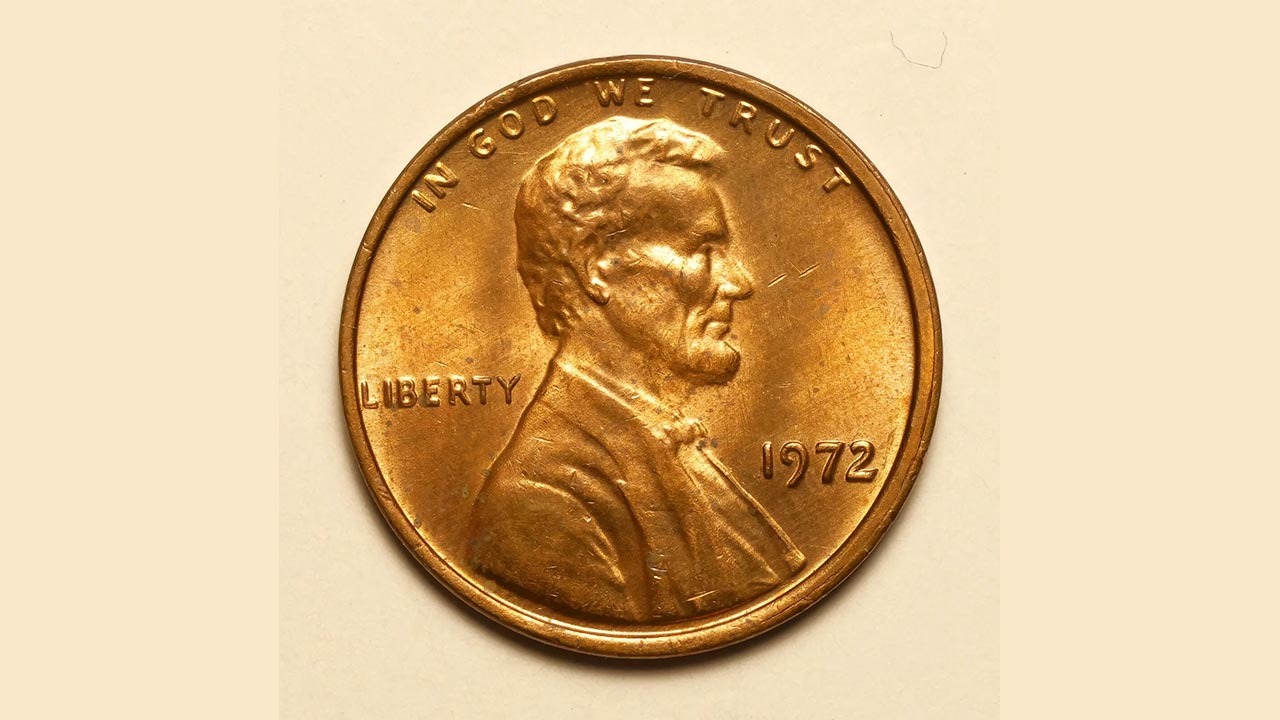
The 1972 Doubled Die Obverse Lincoln Penny is another example of a minting error that has captivated collectors. This coin features strong doubling on the word “LIBERTY” and the date, making it easily identifiable. Uncirculated specimens of this penny are particularly valuable, often fetching prices in the hundreds. The 1972 penny is a testament to the enduring appeal of error coins and their ability to capture the imagination of collectors.
The 1995 Doubled Die Obverse Lincoln Penny
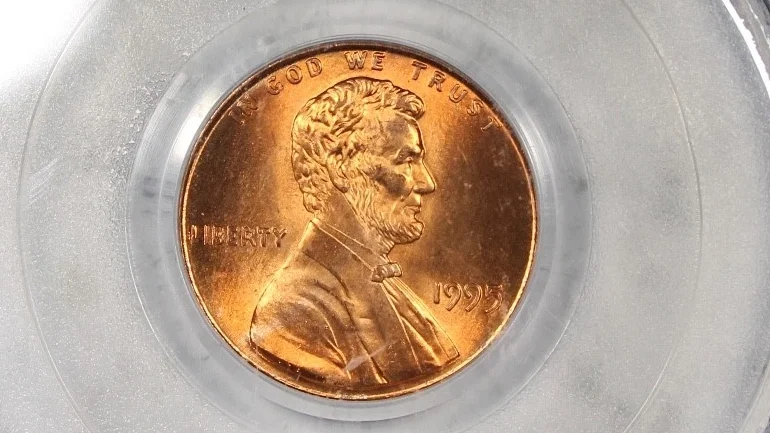
The 1995 Doubled Die Obverse Lincoln Penny is a more subtle error compared to its predecessors, yet it remains highly collectible. The doubling on this coin is less pronounced, requiring a keen eye to spot. Despite its subtlety, this penny is valued in the hundreds, particularly among niche collectors who appreciate the nuances of minting errors. This coin highlights the continued interest in rare 1990s coins, as noted in the GoBankingRates report.
The 1992 Close AM Lincoln Penny
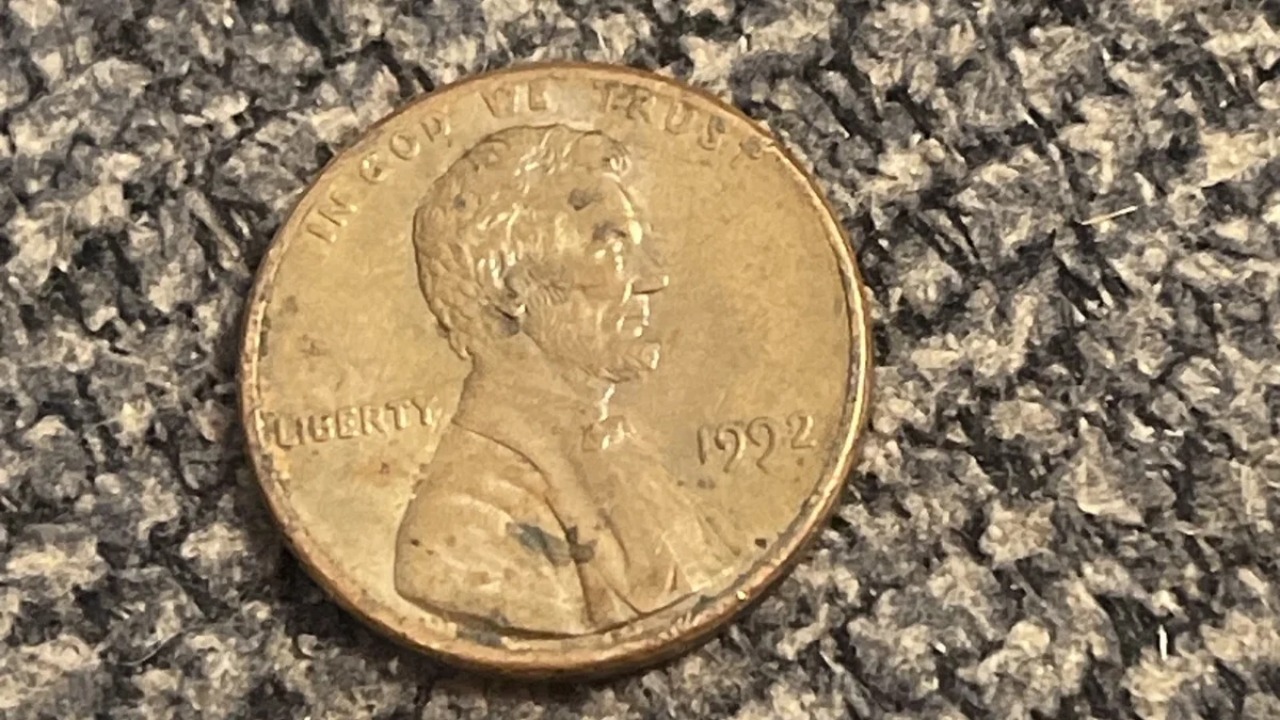
The 1992 Close AM Lincoln Penny is distinguished by the proximity of the “A” and “M” in “AMERICA” on the reverse side. This subtle variation is a result of a transitional minting process and is highly coveted by collectors. Coins exhibiting this feature can appraise at hundreds of dollars, making them a valuable addition to any collection. The Close AM penny is a prime example of how minor details can significantly impact a coin’s desirability and value. For broader context on numismatic rarities, see the Nasdaq report.

Cole Whitaker focuses on the fundamentals of money management, helping readers make smarter decisions around income, spending, saving, and long-term financial stability. His writing emphasizes clarity, discipline, and practical systems that work in real life. At The Daily Overview, Cole breaks down personal finance topics into straightforward guidance readers can apply immediately.
