Collectors who chase rare coins are often hunting the same qualities that make vintage furniture and décor so desirable: scarcity, story and strong resale potential. Just as certain hope chests reliably attract vintage collectors, a handful of U.S. coins routinely command hundreds of dollars or more when they surface. Here are six standout pieces that can turn an ordinary-looking pocket find into serious money.
1) 1943 Copper Penny
The 1943 Copper Penny is a classic wartime error that exists because a few copper planchets slipped through when the Mint shifted to steel cents. Only a handful are confirmed, which is why even lower-grade examples can fetch hundreds at auction and authenticated pieces in stronger condition can climb far higher. The appeal mirrors the broader antiques market, where buyers pay premiums for everyday objects that accidentally survived in the “wrong” material or finish.
For collectors, the stakes are significant, since a genuine 1943 Copper Penny can transform a basic Lincoln cent set into a high-value portfolio piece. The challenge is that counterfeits are common, so serious buyers rely on third-party grading and weight tests before paying hundreds. That combination of extreme rarity, simple visual appeal and constant risk of fakes keeps this coin at the top of many want lists.
2) 1955 Doubled Die Lincoln Cent
The 1955 Doubled Die Lincoln Cent is famous for its dramatic doubled lettering on the date and inscriptions, a minting error that is obvious even without magnification. Well-preserved examples routinely sell for hundreds, especially in higher circulated grades where the doubling remains crisp. Because this variety was released into everyday change, it carries the same “hidden treasure” mystique that drives people to sift through old household items in search of overlooked value.
For stakeholders in the hobby, the 1955 Doubled Die Lincoln Cent shows how a production mistake can become a cornerstone of modern collecting. Dealers build entire marketing campaigns around this coin, while new hobbyists often learn to spot doubled dies using its bold design as a reference. That visibility keeps demand strong, which in turn supports robust pricing whenever certified pieces hit the market.
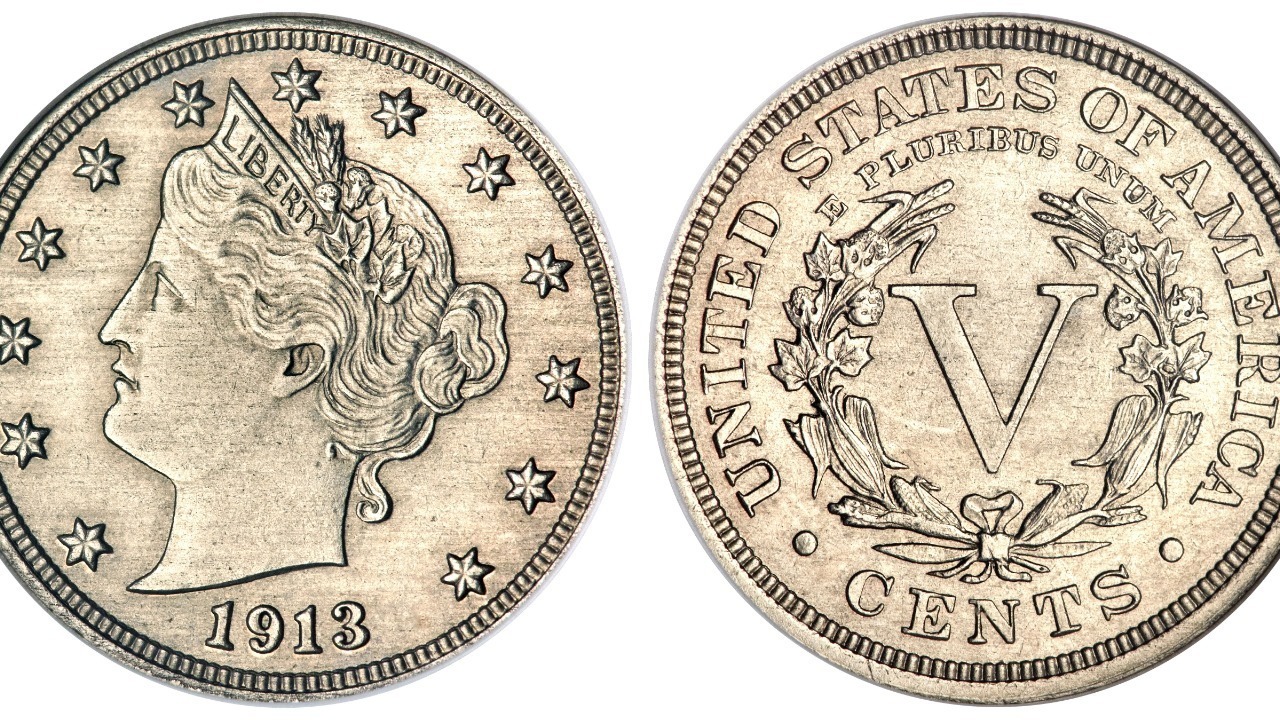
3) 1913 Liberty Head Nickel
The 1913 Liberty Head Nickel is one of the most storied U.S. coins, with only five pieces known. A detailed valuation from Liberty Head specialists notes that each surviving example is worth several million dollars, depending on condition and provenance. Another report on a century-old five-cent piece branded a fake before being authenticated records a sale of “$3.1” million, underscoring how far beyond hundreds this coin can go when it crosses the block.
Background material on The Legendary issue explains that Liberty Head Nickel Only five pieces were ever made, secretly struck at the Mint, and One of them was even misidentified for years. For everyday collectors, the implication is clear: while they may never own one, the 1913 Liberty Head Nickel sets the ceiling for how high a rare coin’s value can climb, and it drives interest in more affordable Liberty Head types that can still trade in the hundreds.
4) 1804 Draped Bust Dollar
The 1804 Draped Bust Dollar, often called the “King of American Coins,” owes its status to a mix of low survival numbers and a complicated backstory involving diplomatic presentation sets. Although top examples can reach into seven figures, even impaired or later restrike pieces can command hundreds, putting them within reach of advanced collectors who are willing to accept problems for the sake of owning the type. That tiered market structure mirrors how vintage buyers pay more for documented, early production runs of iconic furniture or trunks.
For investors and historians, the 1804 Draped Bust Dollar illustrates how narrative can amplify value. The coin’s mystique, from its misdated origin to its role in early U.S. diplomacy, keeps demand high across grades. As a result, any authenticated example, even with heavy wear or cleaning, tends to hold a strong floor price in the hundreds, reinforcing its reputation as a blue-chip numismatic asset.
5) 1937-D Three-Legged Buffalo Nickel
The 1937-D Three-Legged Buffalo Nickel was created when over-polishing at the Denver Mint removed most of the bison’s front leg, leaving a ghostly outline that collectors quickly noticed. Because the error occurred late in the series and only on some dies, surviving pieces are scarce enough that solid circulated examples often sell for hundreds. The coin’s quirky look, with its lopsided buffalo, makes it instantly recognizable and easy to explain to non-collectors.
Market-wise, the Three-Legged Buffalo Nickel shows how visual drama can drive premiums. Error specialists prize it as a centerpiece, while general collectors treat it as an attainable “trophy” compared with ultra-rare types. That broad appeal keeps prices resilient, and it encourages people who inherit old change jars to check Buffalo nickels carefully before spending or rolling them.
6) 1969-S Doubled Die Obverse Lincoln Cent
The 1969-S Doubled Die Obverse Lincoln Cent is one of the rarest modern varieties, with a specialist estimate placing the population at “40” to “50” certified pieces in total. That figure, cited in a detailed profile of the Doubled Die Obverse, helps explain why even circulated coins can bring hundreds when authenticated. The doubling on “LIBERTY” and “IN GOD WE TRUST” is strong, but the overall look is subtler than the 1955 issue, which makes expert verification essential.
Additional marketplace listings describe a rare 1969 S Lincoln Cent with a Doubled Die Obverse struck in copper in San Francisco and marketed specifically to advanced error hunters. For collectors and dealers, the stakes are high because a single unattributed find in a bulk lot or inherited roll can represent a life-changing windfall. That possibility keeps attention focused on 1960s Lincoln Cent varieties and reinforces how knowledge, not just luck, separates casual searchers from those who consistently uncover coins worth hundreds.
More From TheDailyOverview
- Dave Ramsey says these two simple questions show whether you’re rich or poor
- Retired But Want To Work? Try These 18 Jobs for Seniors That Pay Weekly
- IRS raises capital gains thresholds for 2026 and what’s new
- 12 ways to make $5,000 fast that actually work

Cole Whitaker focuses on the fundamentals of money management, helping readers make smarter decisions around income, spending, saving, and long-term financial stability. His writing emphasizes clarity, discipline, and practical systems that work in real life. At The Daily Overview, Cole breaks down personal finance topics into straightforward guidance readers can apply immediately.
