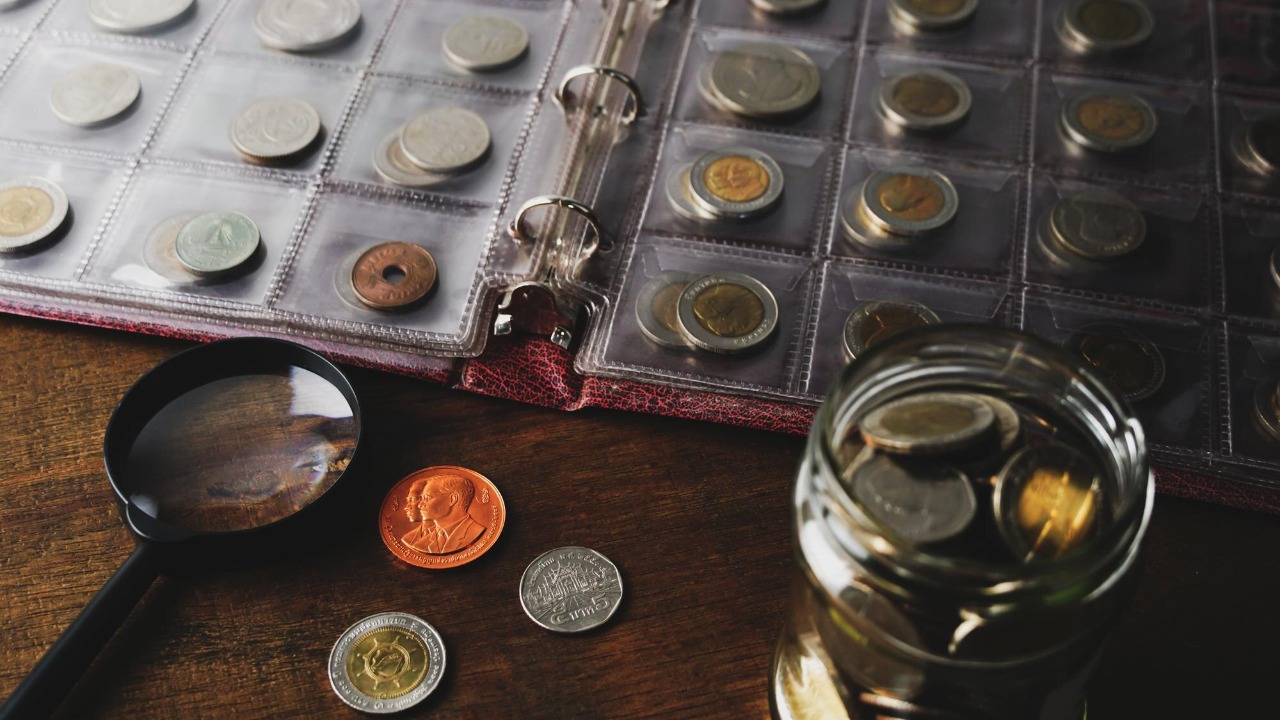
The rare coin market has a way of rewarding patience, and 2026 is shaping up as a year when several scarce issues could see sharp price gains. Between a wave of new U.S. Mint products tied to the nation’s 250th anniversary and a string of record auction results that have supercharged collector appetite, the conditions for rapid appreciation are aligning in ways I have not seen in over a decade. Here is a closer look at six coins, and the forces behind them, that serious numismatists should be watching right now.
Why 2026 Is a Milestone for Collectors
The year 2026 marks the Semiquincentennial, the 250th anniversary of the United States, and the U.S. Mint is treating it as a major event. The Mint has expanded its product offerings for 2026 with dozens of new commemorative releases designed to capture public interest. That kind of official attention tends to pull new buyers into the hobby, and new buyers need somewhere to put their money. When fresh demand meets a fixed supply of older rarities, prices move.
Anniversary years have historically generated spikes in numismatic spending. The 1976 Bicentennial drove record sales of related coins, and the 2026 celebrations are expected to be even more commercially ambitious. For collectors already holding low-mintage pieces, the incoming wave of casual buyers could create bidding pressure that pushes valuations well above current levels. The coins on this list sit at the intersection of genuine scarcity and rising mainstream visibility, which is exactly where the strongest gains tend to originate.
Record Auctions Signal a Hungry Market
Nothing illustrates the current appetite for rare American coins better than recent headline sales. A group of the last U.S. cents produced sold at auction for a combined $16.76 million, a figure that drew attention far beyond the usual numismatic circles. That result confirmed something many dealers already suspected: top-tier collectors are willing to pay extraordinary premiums for coins with clear historical significance and documented provenance.
Separately, an 1804 dollar realized $6 million from the Stack Collection sale, reinforcing the pattern. The 1804 dollar is one of the most storied coins in American numismatics, with only a handful of confirmed examples. When a single coin crosses the seven-figure threshold, it recalibrates expectations across the entire market. Dealers I speak with regularly note that six- and seven-figure results create a halo effect, lifting mid-range rarities as collectors who cannot afford a $6 million coin redirect their budgets toward the next tier down. That trickle-down dynamic is one of the strongest arguments for the six coins discussed below.
How Grading Populations Define True Scarcity
Auction prices grab headlines, but the real engine of long-term value is population data. The NGC Census tracks how many examples of a given coin have been professionally graded and in what condition. Coins with extremely low populations, sometimes fewer than a few dozen in high grades, are the ones most likely to see dramatic price jumps when demand increases. If only a small number of specimens exist in top condition, even a modest uptick in buyer interest can create fierce competition.
A critical caveat applies here, though. NGC itself states that its census reflects items graded by the company and is not an indicator of value or rarity. In other words, the population report tells you how many coins NGC has certified, not how many exist in total. Ungraded examples sitting in private collections or bank vaults could surface at any time. I view population data as a useful starting point rather than a definitive scarcity measure. Still, for the coins on this list, the graded populations are low enough that even accounting for hidden supply, the numbers point toward genuine rarity.
Six Coins With Breakout Potential
The following six categories represent the types of coins I believe are best positioned for significant appreciation in 2026. Each one combines documented low supply with the kind of historical resonance that the Semiquincentennial year is likely to amplify. While individual issues within each category vary in value and availability, the underlying themes of early American history and constrained populations run through them all.
First, early American copper large cents from the 1790s. These coins were among the first struck by the U.S. Mint, and surviving examples in collectible grades are genuinely scarce. The record $16.76 million auction result for rare U.S. cents has already drawn fresh eyes to this series and reminded the broader market that copper can command elite prices when rarity and demand intersect. Second, 1804 silver dollars. With the recent $6 million sale still reverberating through the market, any appearance of an 1804 dollar at auction in 2026 would likely set a new benchmark, or at minimum validate current valuations at the very top of the spectrum.
Third, Draped Bust half dollars from the late 1790s and early 1800s. These coins were produced in small quantities, and high-grade survivors are exceptionally difficult to locate. Their combination of early federal-era artistry and relatively approachable price points compared with the great dollar rarities makes them prime candidates for renewed attention. Fourth, early gold quarter eagles struck between 1796 and 1808. The mintages for these coins were tiny by modern standards, and collector demand for early U.S. gold has been climbing steadily as investors seek tangible links to the founding period that can still be held in a single hand.
Fifth, Chain cent varieties from 1793, which represent the very first regular-issue coins produced by the United States Mint. Their historical weight is hard to overstate, and the Semiquincentennial narrative gives them a natural marketing boost, especially as popular media revisits the earliest symbols of American sovereignty. Sixth, proof-only issues from the mid-1800s, particularly proof Seated Liberty coins with graded populations in the single digits or low double digits. These coins occupy a sweet spot: they are old enough to carry serious numismatic prestige but accessible enough that a motivated collector with a five- or six-figure budget can still compete for them at auction or through specialist dealers.
The Limits of Price Predictions
I want to be direct about what we do not know. No public dataset currently projects specific percentage gains for individual rare coins in 2026. The U.S. Mint has not released pricing forecasts for its commemorative issues, and major auction houses have not published formal analyses of post-Semiquincentennial bidding trends. What we have instead is a pattern: anniversary years drive new collector entry, new collectors increase demand, and increased demand lifts prices for coins with limited supply. The logic is sound, but the magnitude of any price movement remains uncertain and will likely vary dramatically from one series to another.
Auction results can also swing in unexpected directions. A single high-profile collection coming to market could flood a niche category with supply, temporarily depressing prices even for genuinely rare coins. Conversely, if major collections stay off the market in 2026, the scarcity premium on available pieces could intensify beyond what current trends suggest. I treat historical auction data as the best available guide while acknowledging that coin markets, like all collectible markets, carry real risk. Collectors should resist the temptation to extrapolate one or two record prices into a guaranteed trend and instead focus on fundamentals like documented rarity, eye appeal, and long-term collector interest.
What the Semiquincentennial Changes
The practical effect of the U.S. Mint’s expanded 2026 lineup is twofold. First, it puts coins in front of people who might never visit a coin shop or attend an auction. Commemorative releases sold through the Mint’s website reach a broad consumer audience, and a percentage of those buyers inevitably develop deeper collecting interests. Second, the media coverage surrounding the 250th anniversary will generate stories about American coinage history, which functions as free advertising for the rare coin market. Each article or broadcast that explains the difference between a modern commemorative and an 18th-century original helps educate potential bidders.
That combination of institutional marketing and organic media attention is what separates 2026 from a typical year. The coins I have highlighted share a common trait: they are directly tied to the founding era of the United States, which is precisely the period the Semiquincentennial will spotlight. A collector who buys a 2026 commemorative half dollar from the Mint and then reads about the $6 million 1804 dollar is exactly the kind of new entrant who pushes prices higher across the board. The pipeline from casual buyer to serious bidder is shorter than most people assume, especially when online auctions and third-party grading make it easier than ever to participate at multiple price tiers.
Positioning for the Year Ahead
For collectors weighing whether to buy now or wait, the calculus comes down to supply confidence. If you believe the graded populations for early American coins are close to their true totals, meaning few ungraded examples remain in hiding, then current prices may represent a discount relative to where the market will be by late 2026. If you suspect significant ungraded supply could emerge, patience may be the better strategy. Either way, the most prudent approach is to identify specific dates and varieties within each of the six highlighted categories and study their grading distributions, recent auction records, and dealer inventories before committing serious capital.
My own read leans toward the former. The coins on this list have been actively sought by collectors for well over a century. The likelihood that large hoards of 1790s copper cents or 1804 dollars are sitting undiscovered in attics or safe deposit boxes is low, though not zero. What I find more persuasive is the demand side of the equation. The Semiquincentennial will not create new early American coins, but it will almost certainly create new early American coin collectors. When that happens in a market already defined by thin supply, even conservative buyers who focus on quality and provenance rather than speculation stand to benefit from the rising tide.
More From The Daily Overview
*This article was researched with the help of AI, with human editors creating the final content.

Cole Whitaker focuses on the fundamentals of money management, helping readers make smarter decisions around income, spending, saving, and long-term financial stability. His writing emphasizes clarity, discipline, and practical systems that work in real life. At The Daily Overview, Cole breaks down personal finance topics into straightforward guidance readers can apply immediately.

