
As the population ages, many older Americans have accumulated a diverse portfolio of assets to support their retirement years. These assets are crucial for maintaining financial stability and ensuring a comfortable lifestyle. Here’s a closer look at some of the most common assets held by this demographic.
Real Estate Holdings

Real estate remains a cornerstone of wealth for many older Americans. Whether it’s a primary residence, a vacation home, or rental properties, real estate provides both a place to live and a potential source of income. Owning property is not only about the immediate benefits but also about long-term appreciation. According to a report from Yahoo Finance, real estate can significantly contribute to one’s net worth over time.
Many retirees choose to downsize their homes, selling larger properties to free up capital, reduce maintenance costs, and eliminate mortgage payments. Alternatively, some might invest in rental properties to generate a steady stream of passive income. This strategy can be particularly appealing in markets where rental demand is high, offering both financial security and potential appreciation.
Retirement Accounts

Retirement accounts such as 401(k)s and IRAs are fundamental components of many older Americans’ financial plans. These accounts offer tax advantages that can help maximize savings over the years. As people near retirement, they often shift their investment strategies to focus on preserving capital and generating income.
Understanding the nuances of these accounts, including required minimum distributions, is crucial for effective financial planning. According to a study by Boston College, the strategic management of retirement accounts plays a significant role in the overall financial health of retirees. Balancing withdrawals with investment growth can help ensure that these funds last throughout retirement.
Stocks and Bonds

Stocks and bonds are essential elements of a diversified portfolio, providing both growth potential and income. Many older Americans continue to hold a mix of equities and fixed-income securities to balance risk and reward. The allocation between stocks and bonds often shifts with age, as individuals seek to protect their principal while still achieving adequate returns.
Investments in stocks offer the potential for capital appreciation, while bonds provide more predictable income streams. According to research in financial planning, a balanced approach to these investments can help retirees manage market volatility and sustain their lifestyles.
Savings Accounts and Certificates of Deposit

Savings accounts and certificates of deposit (CDs) offer older Americans a safe and accessible way to store and grow their wealth. While these vehicles may not offer the high returns associated with other investments, they do provide security and liquidity. Many retirees appreciate the peace of mind that comes with knowing they have funds readily available for emergencies or unexpected expenses.
The low-risk nature of these accounts makes them an attractive option for those looking to preserve capital. Additionally, CDs can offer higher interest rates than typical savings accounts, particularly when held for longer terms. This makes them a popular choice for individuals seeking a reliable income source without exposing their savings to market risks.
Life Insurance Policies

Life insurance policies are another important asset for older Americans, providing financial security for their loved ones. These policies can serve multiple purposes, from covering final expenses to leaving a legacy for beneficiaries. Some policies also accumulate cash value over time, offering an additional resource for policyholders.
Understanding the different types of life insurance, such as term, whole, and universal life, is essential for selecting a policy that aligns with one’s financial goals. As highlighted in a Yahoo Finance article, life insurance can be a versatile tool in estate planning, helping to ensure that heirs are financially protected even after the policyholder’s passing.
Collectibles and Precious Metals
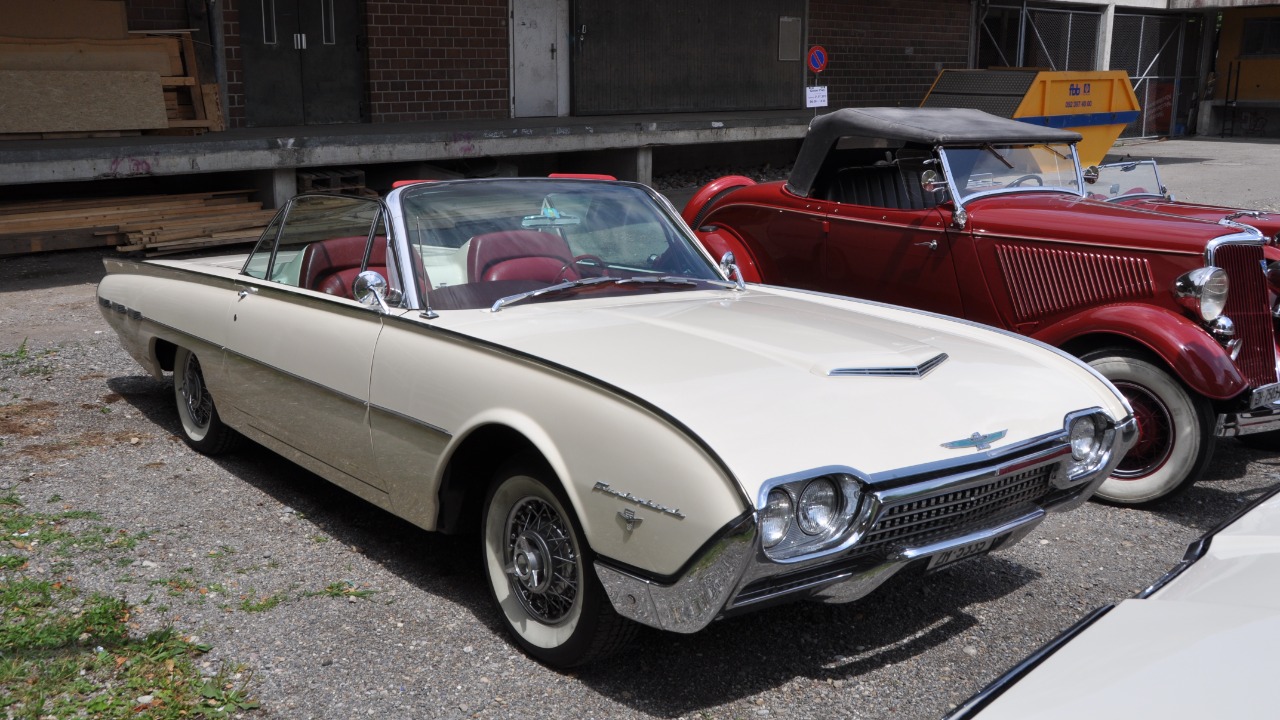
Collectibles and precious metals, such as gold and silver, are popular among older Americans as alternative investments. These tangible assets can offer a hedge against inflation and economic uncertainty. Collectibles, ranging from art to vintage cars, not only hold personal value but can also appreciate over time, potentially providing significant returns.
Precious metals are often seen as a safe haven during market volatility, offering stability when other investments might falter. They are an attractive option for those looking to diversify their portfolios outside of traditional financial markets. Additionally, the demand for these assets can fluctuate based on economic conditions, providing opportunities for savvy investors to capitalize on market trends.

Cole Whitaker focuses on the fundamentals of money management, helping readers make smarter decisions around income, spending, saving, and long-term financial stability. His writing emphasizes clarity, discipline, and practical systems that work in real life. At The Daily Overview, Cole breaks down personal finance topics into straightforward guidance readers can apply immediately.
