
The introduction of a new $600 stimulus check has sparked a multitude of discussions and debates. While aimed at providing financial relief to individuals and families, the initiative comes with its own set of challenges and drawbacks. The distribution of these stimulus checks raises several concerns, addressing both economic and social dimensions.
Limited Economic Impact

The $600 stimulus check, while a welcome relief to many, may prove insufficient in covering essential expenses such as rent, utilities, and groceries, especially in high-cost living areas. For example, in cities like San Francisco or New York, where the cost of living far exceeds the national average, $600 may barely cover a fraction of monthly rent. This inadequacy leaves many recipients in a precarious financial situation, unable to meet their basic needs.
Furthermore, the stimulus check offers only a short-term solution to a long-term problem. The financial aid is designed to provide immediate relief but fails to address the underlying economic issues that many individuals and families face. Without more comprehensive measures, such as job creation programs or long-term financial assistance, the impact of these checks is likely to be fleeting.
Additionally, the stimulus might not effectively stimulate economic growth. Many recipients, wary of economic uncertainty, might choose to save rather than spend their checks. This behavior can dampen the intended stimulative effect on the economy, as consumer spending is a critical driver of economic growth. Without increased spending, the ripple effect on businesses and employment could be minimal.
Funding and Resource Allocation Concerns
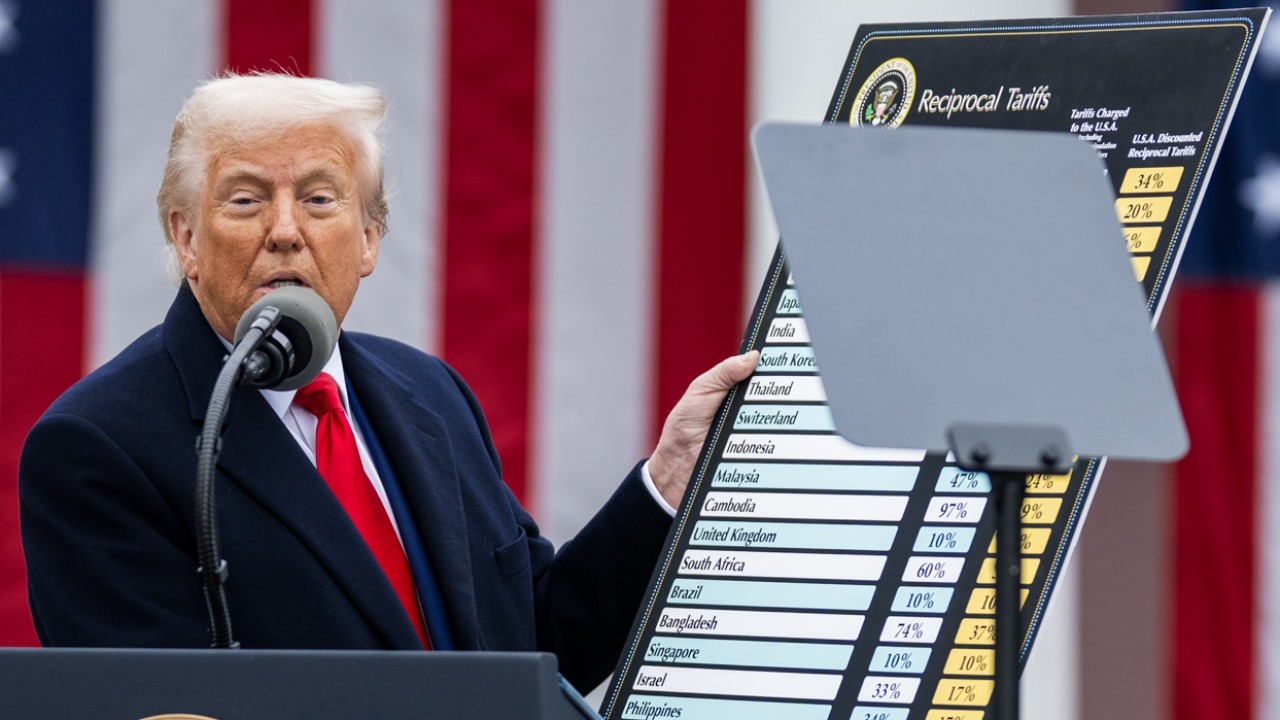
The funding for these stimulus checks primarily comes from tariff revenue, a source that some experts view as unstable and unpredictable. Tariff revenue can fluctuate based on international trade dynamics and global market conditions, posing a risk to the reliability of this funding source. This dependence could lead to potential shortfalls if tariff revenues do not meet expectations, putting future stimulus initiatives in jeopardy.
Moreover, there is an opportunity cost associated with allocating funds to stimulus checks. These resources could potentially be invested in alternative economic support measures, such as infrastructure development or job training programs, which might offer more sustainable economic benefits. By focusing solely on direct cash payments, there is a missed opportunity to invest in initiatives that could drive long-term economic growth and stability.
The administrative costs involved in distributing the stimulus checks also raise concerns. These expenses can significantly reduce the overall effectiveness of the stimulus. The cost of managing the distribution process, verifying eligibility, and addressing issues such as lost or stolen checks can add up quickly, diverting funds away from direct aid to individuals. This inefficiency highlights the need for streamlined processes and systems to ensure that the maximum amount of aid reaches those in need.
Eligibility and Distribution Challenges

One of the significant challenges associated with the stimulus checks is the eligibility criteria. Certain groups are excluded from receiving the checks, including higher-income earners and individuals without Social Security numbers. This exclusion can leave out many who may still be struggling financially, such as undocumented immigrants or young adults who are claimed as dependents on their parents’ tax returns. These restrictions can exacerbate existing inequities and leave vulnerable populations without much-needed support.
Distribution delays are another concern, as they can hinder timely access to funds for those in urgent need. The bureaucratic processes involved in distributing the checks can be cumbersome, leading to delays that may cause financial strain for individuals relying on this aid. For instance, people who do not have direct deposit set up with the IRS might experience longer wait times, which can be detrimental in times of financial crisis.
The complexity of the application process can also pose a significant barrier to accessing the stimulus checks. Navigating the necessary paperwork and understanding the eligibility requirements can be confusing and overwhelming for many. This complexity can prevent eligible individuals from receiving their checks efficiently, further diminishing the effectiveness of the stimulus initiative.
Market and Inflationary Effects

Injecting additional funds into the economy through stimulus checks raises concerns about potential inflationary effects. The increased money supply can lead to higher demand for goods and services, which, if not matched by supply, can result in rising prices. This inflation risk could erode the purchasing power of the $600 stimulus checks, ultimately diminishing their intended benefit.
The influx of stimulus funds can also impact market dynamics, leading to potential volatility. With more disposable income, consumers may increase their spending, influencing interest rates and investment behaviors. Such changes can create uncertainty in financial markets, affecting everything from stock prices to bond yields.
Additionally, increased consumer demand driven by stimulus checks could strain supply chains, leading to shortages or price hikes. This strain can disrupt the availability of products, particularly if supply chains are already facing challenges due to factors like global trade disruptions or natural disasters. The resulting shortages could further drive up prices, exacerbating inflationary pressures.
Social and Psychological Implications

The distribution of $600 checks may not effectively address broader issues of income inequality and financial disparity. While the checks provide immediate relief, they do little to bridge the significant gaps between different income groups. The temporary nature of this aid can leave structural inequalities unaddressed, perpetuating cycles of poverty and economic hardship.
There are also concerns about fostering a reliance on government aid. Regular stimulus payments may deter recipients from seeking sustainable financial solutions, such as pursuing higher education or job training opportunities. This dependency can hinder long-term financial independence and growth, making it crucial to balance immediate relief with initiatives that promote self-sufficiency.
Lastly, the public’s perception of government efficacy in handling economic crises can be influenced by the execution of the stimulus program. If the distribution process is marred by delays, inefficiencies, or perceived inequities, it can erode trust in governmental institutions. This erosion of trust can have broader implications, affecting citizens’ confidence in the government’s ability to manage future crises effectively.

Julian Harrow specializes in taxation, IRS rules, and compliance strategy. His work helps readers navigate complex tax codes, deadlines, and reporting requirements while identifying opportunities for efficiency and risk reduction. At The Daily Overview, Julian breaks down tax-related topics with precision and clarity, making a traditionally dense subject easier to understand.

