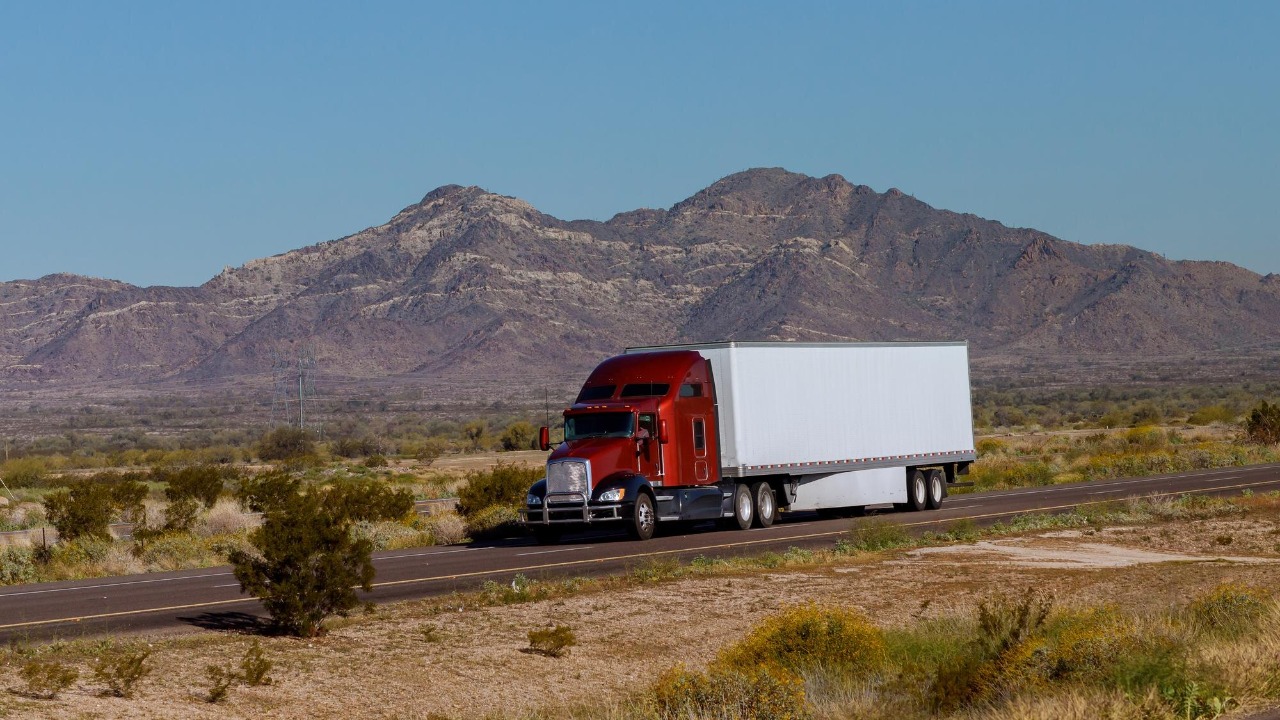
A major Texas freight carrier has collapsed, abruptly sidelining roughly 600 truck drivers and wiping out a fleet of about 280 long haul rigs that once moved goods across the border and deep into the United States. The shutdown hits at a moment when the heavy duty market is already wobbling, and it leaves hundreds of families scrambling in a state that depends heavily on trucking for both jobs and trade.
The failure is more than a single company’s misfortune. It is a snapshot of a stressed industry in which thin margins, volatile freight demand and rising costs are converging on operators that expanded aggressively during the boom years and now find themselves overexposed.
The collapse of a Texas heavyweight
The company at the center of this shock is Texas International Enterprises, a Laredo based carrier that built its business on cross border freight and long haul routes tied to the industrial spine of Texas and northern Mexico. In federal safety filings, Texas International Enterprises previously reported operating 280 power units and employing 600 drivers, a scale that made it a significant player in the Laredo corridor and a meaningful employer in the region. When a carrier of that size suddenly falters, the impact ripples quickly through shippers, brokers and local economies that have come to rely on its capacity.
Reporting on the fallout has focused on the human toll as much as the equipment that is now parked. A Story by Rodrik Cassel describes how 600 Texas drivers face layoffs as the company’s collapse effectively torches a 280 truck fleet, leaving workers to weigh whether to hunt for new driving jobs or exit the industry altogether. For many of these drivers, the carrier’s size and cross border focus had offered a measure of stability, so the sudden reversal underscores how fragile that security can be when a large operator runs out of financial road.
Why 600 drivers and 280 trucks matter
On paper, 600 drivers and 280 tractors might look like a rounding error in a national market that counts hundreds of thousands of commercial vehicles. In practice, the loss of that capacity in a concentrated region like Texas can be jarring, particularly around Laredo, which functions as one of the busiest land ports for trade with Mexico. When a carrier such as Texas International Enterprises suddenly stops hauling, shippers that depended on its 280 power units must scramble to rebook freight, often at higher spot rates or with carriers that lack the same cross border expertise.
For the drivers, the numbers are even more personal. The 600 affected workers are not just statistics in a labor report, they are people with mortgages, truck payments and children in local schools who now have to navigate a job market that has cooled from the frenetic hiring of the pandemic era. Some will find seats quickly with other carriers, but others may be sidelined by location, specialized experience or simple timing, especially if multiple regional employers are cutting back at once.
Texas trucking under pressure
The collapse of Texas International Enterprises is not an isolated event. Across the state, other operators are trimming headcount as freight demand softens and costs remain stubborn. Earlier in the year, Firebird Bulk Carriers notified regulators that it would lay off 74 workers across Texas before year’s end, a move detailed in a Story by Ahmed Humble that underscored how even diversified carriers with deep Texas roots are feeling the strain. Those 74 jobs may seem modest next to 600, but together they point to a broader retrenchment that is reshaping the state’s logistics workforce.
Industry analysts have been warning that the heavy duty segment is in a stall, and that warning is now showing up in pink slips. A recent discussion of the Heavy Duty Trucking Market Stalls theme framed 2025 as a year when freight volumes and rates failed to keep pace with the capacity that carriers had added during the boom, raising the question of whether 2026 Could Deliver a Reset or simply more of the same Reset anxiety. When that macro picture meets the micro reality of a carrier like Texas International Enterprises, the result is a painful correction that lands hardest on drivers and dispatchers who had little say in the strategic decisions that led there.
From Laredo shockwaves to political crossfire
In Laredo and other border communities, the shutdown of a major carrier is felt not only in freight yards but also in local politics and online debates. Residents and drivers have turned to social media to trade information and frustration, sometimes clashing over who is to blame and whether national media are paying enough attention. In one widely shared exchange, Denise Branch pushed back on claims that Trump backers would ignore the story, urging people to do their own research instead of waiting for partisan narratives to catch up. That kind of grassroots fact checking reflects how quickly economic news now becomes fodder for broader political arguments.
As President Trump’s administration continues to tout national job numbers and deregulation efforts, the lived experience of drivers in Texas complicates the picture. For workers who just watched a 280 truck fleet vanish, macro statistics offer little comfort compared with the immediate need for a new paycheck and health coverage. The tension between upbeat national messaging and local hardship is likely to intensify as more carriers adjust to a slower freight cycle, and as communities from Laredo to Houston weigh how much of their economic future they want tied to an industry that can swing from shortage to surplus in a matter of months.
What comes next for Texas drivers
Looking ahead, I see three main paths for the 600 displaced drivers and their peers. Some will be absorbed by other regional and national carriers that still need experienced operators, particularly in specialized segments like refrigerated freight or hazardous materials. Others may pivot into related fields such as warehouse management, diesel mechanics or last mile delivery, trading long haul life for more predictable schedules. A third group may simply leave transportation altogether, especially older drivers who were already weighing retirement before the collapse of Texas International Enterprises forced the issue.
For policymakers in Texas, the moment is a test of how to support a workforce caught between cyclical downturns and structural change. Targeted retraining programs, better access to short term health coverage and incentives for carriers that commit to stable employment could all soften the blow, but they require coordination that has often been missing in past freight recessions. As the Duty Trucking Market conversation suggests, not a lot has changed in how the industry manages these cycles, even as the stakes for local economies have grown. Whether 2026 truly Can Deliver a Reset will depend less on slogans and more on whether Texas can turn the hard lessons of this 280 truck collapse into a more resilient future for the people who keep its freight moving.
More From The Daily Overview

Silas Redman writes about the structure of modern banking, financial regulations, and the rules that govern money movement. His work examines how institutions, policies, and compliance frameworks affect individuals and businesses alike. At The Daily Overview, Silas aims to help readers better understand the systems operating behind everyday financial decisions.

