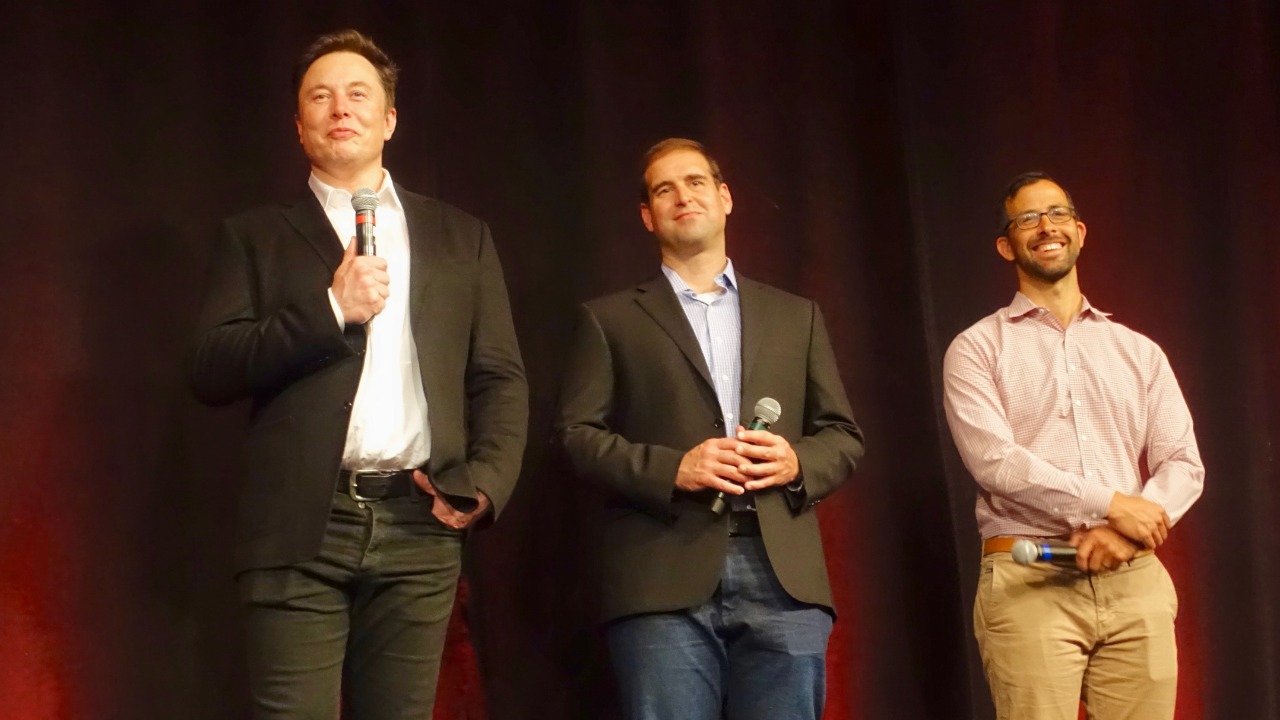
In the world of business, some CEOs have risen to immense wealth by challenging the status quo. These leaders have often taken unconventional paths, defying industry norms and reshaping entire markets. From navigating legal gray areas to exploiting loopholes, these CEOs have made their mark by breaking the rules.
The Risk-Taker: Defying Industry Norms

Elon Musk, CEO of Tesla and SpaceX, is renowned for his audacious approach to business. Known for pushing the boundaries of what’s possible, Musk has revolutionized the automotive and space industries. By investing heavily in electric vehicles and reusable rockets, he has defied traditional industry norms and achieved remarkable success. His bold vision has not only led to personal wealth but also transformed global industries.
Musk’s willingness to take risks has been a cornerstone of his strategy. From launching Tesla against the backdrop of skeptical critics to spearheading ambitious projects like SpaceX’s Mars mission, Musk exemplifies the essence of a risk-taking CEO.
The Disruptor: Transforming Traditional Markets
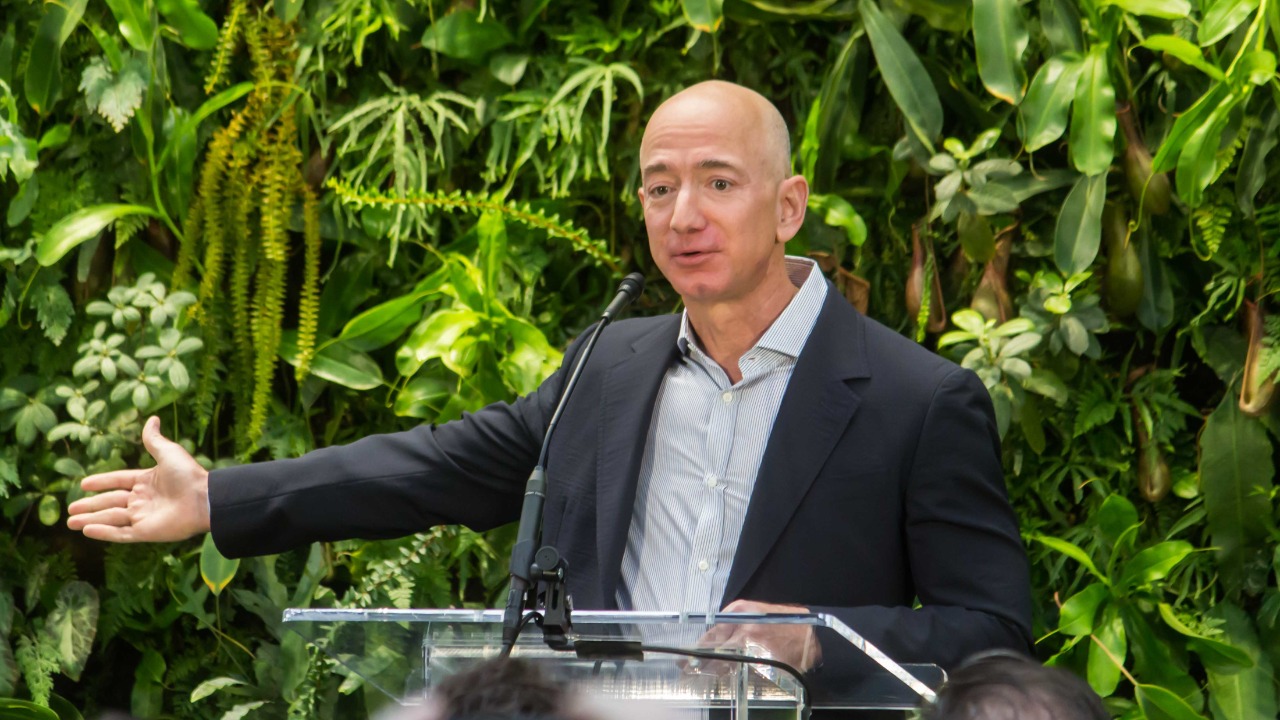
Jeff Bezos, the founder and former CEO of Amazon, is a prime example of a market disruptor. By transforming the retail landscape with e-commerce and cloud computing, Bezos has redefined how consumers shop and businesses operate. His relentless focus on innovation and customer-centric strategies has propelled Amazon to unprecedented heights.
Bezos’s ability to disrupt traditional markets can be seen through Amazon’s evolution from a humble online bookstore to a global conglomerate. His strategic vision has consistently challenged conventional retail models, paving the way for a new era of digital commerce.
The Innovator: Pioneering Unconventional Strategies

Steve Jobs, co-founder of Apple, was a master of innovation. His unconventional strategies and focus on design-driven products set Apple apart from its competitors. Jobs’s emphasis on sleek, user-friendly technology led to groundbreaking products like the iPhone and iPad, revolutionizing the tech industry.
Even after his passing, Jobs’s legacy continues to influence Apple’s product development and corporate culture. His innovative spirit remains a guiding force, inspiring countless entrepreneurs to prioritize creativity and design in their business strategies.
The Maverick: Challenging Corporate Culture
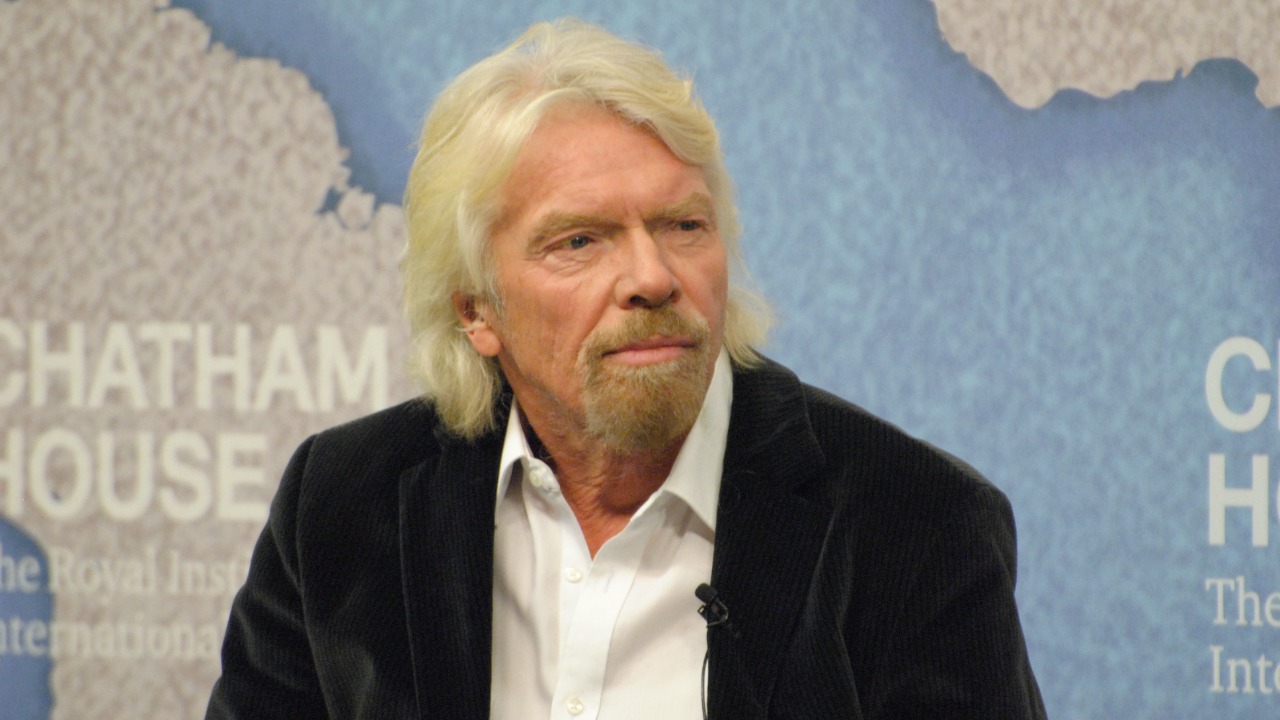
Richard Branson, founder of the Virgin Group, is known for his maverick approach to business. He has built a diverse empire spanning airlines, music, and telecommunications by challenging traditional corporate culture. Branson’s emphasis on employee empowerment and customer satisfaction has set Virgin apart as an industry leader.
Branson’s non-conformist attitude is evident in his leadership style, which often prioritizes fun and innovation over rigid corporate structures. His unique approach has not only driven Virgin’s success but also inspired a new generation of leaders to question conventional business practices.
The Visionary: Redefining Success Metrics
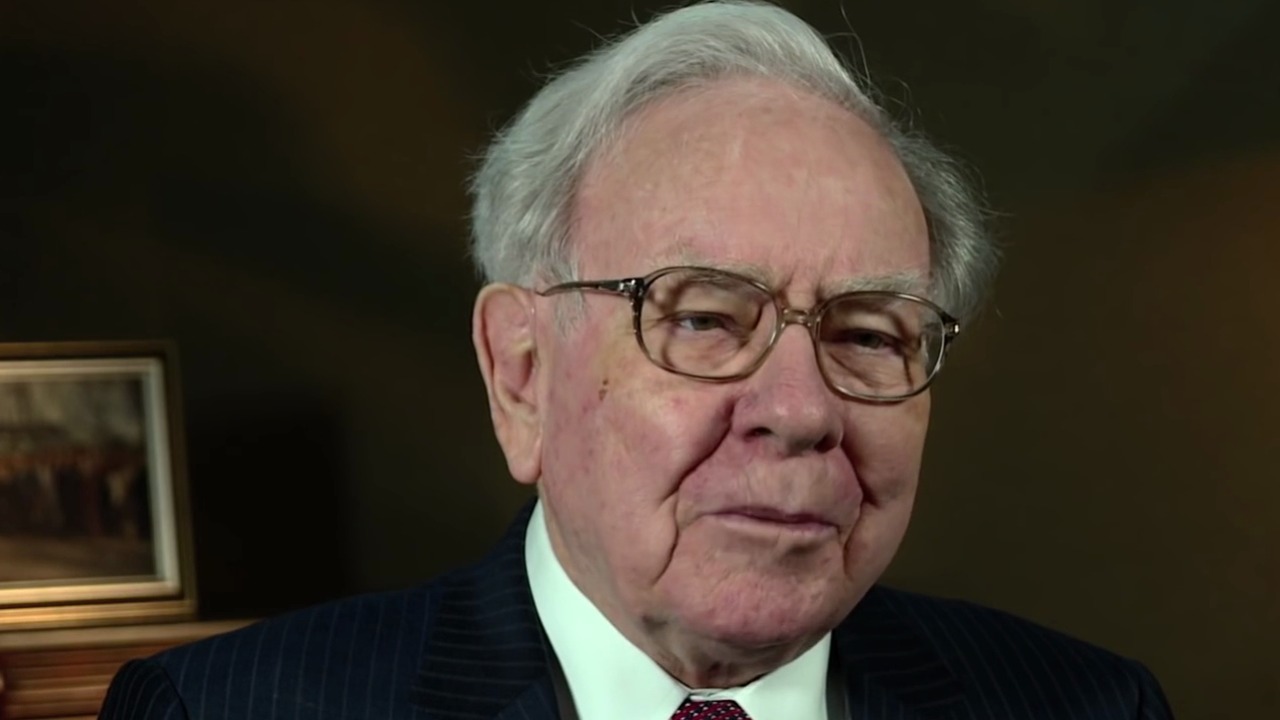
Warren Buffett, CEO of Berkshire Hathaway, is often regarded as a visionary in the world of investing. His unconventional approach to value investing has consistently delivered impressive returns, redefining traditional metrics of success. By prioritizing long-term growth over short-term gains, Buffett has built a vast fortune.
Buffett’s ability to identify undervalued companies and nurture them to success is a testament to his visionary mindset. His commitment to ethical investing and philanthropy further distinguishes him as a leader who prioritizes sustainable growth and societal impact.
The Rebel: Navigating Legal Gray Areas

Donald Trump, former CEO of the Trump Organization and former U.S. President, is a figure known for navigating legal gray areas in business. His real estate empire was built through strategic negotiations and leveraging legal loopholes. Trump’s approach to business and politics has often sparked controversy but has undeniably contributed to his wealth.
Trump’s ability to capitalize on opportunities in the real estate market is documented in various media reports. His business acumen and controversial methods have left a lasting impact on the real estate industry.
The Strategist: Exploiting Loopholes for Growth
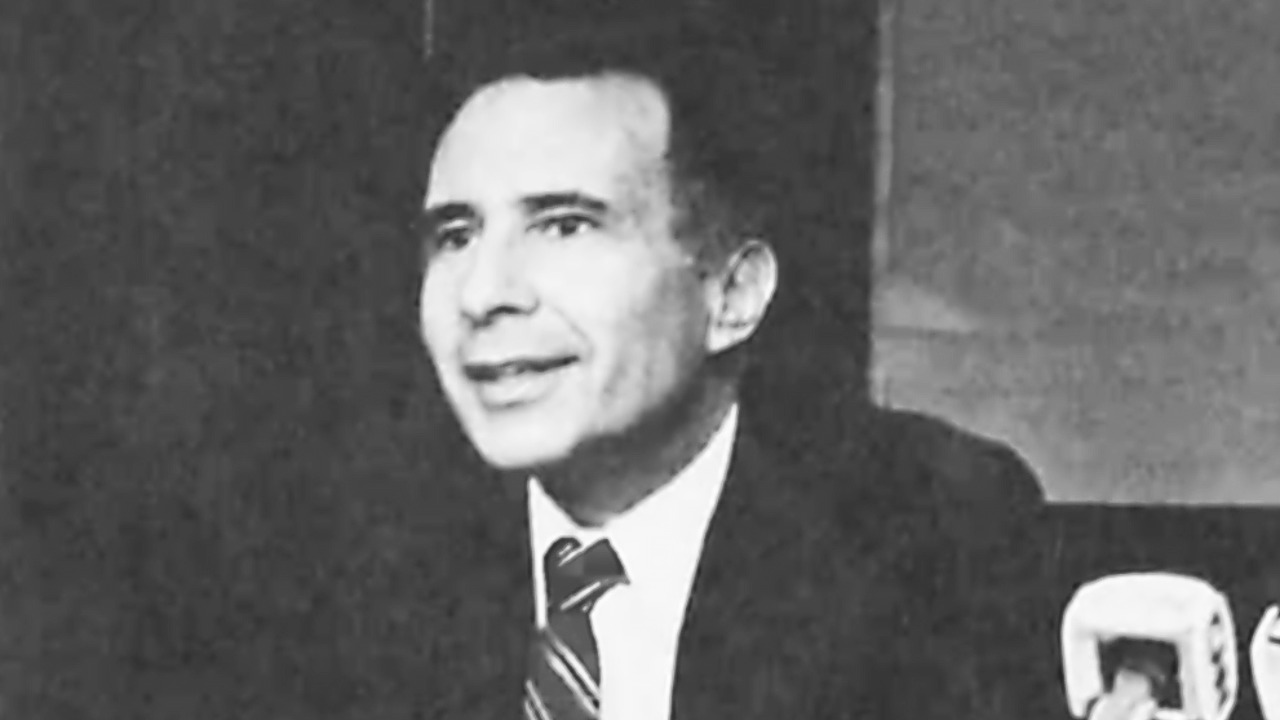
Carl Icahn, a well-known activist investor, is a strategist who has exploited loopholes for growth. By taking significant stakes in companies and pushing for changes, Icahn has often increased shareholder value. His aggressive investment strategies have made him one of Wall Street’s most influential figures.
Icahn’s approach is chronicled in the book “The Outsiders”, which highlights his ability to create value through strategic interventions. His success demonstrates the impact of calculated risk-taking and strategic planning in the world of finance.

Grant Mercer covers market dynamics, business trends, and the economic forces driving growth across industries. His analysis connects macro movements with real-world implications for investors, entrepreneurs, and professionals. Through his work at The Daily Overview, Grant helps readers understand how markets function and where opportunities may emerge.

