
Every day, several small habits can work together to drain your paycheck faster than you realize. Without even noticing, you might engage in behaviors that seem harmless but add up over time. Tackling these habits can significantly improve your financial health and help you retain more of your hard-earned money.
Impulse Buying

Impulse buying is something I’ve struggled with, especially when it comes to online shopping. It’s easy to get caught up in the excitement of a flash sale or a limited-time offer. However, these purchases often lead to unnecessary spending and regret later on. By creating a shopping list and sticking to it, I can minimize these spur-of-the-moment decisions.
I’ve also found that waiting 24 hours before making a purchase can help. This cooling-off period allows me to consider whether I truly need the item or if it’s just an impulse. For those interested in learning more about how impulsive habits affect finances, this article offers some insightful perspectives.
Daily Coffee Shop Visits

As much as I love my daily caffeine fix, buying a coffee every day adds up quickly. It may seem like a small expense, but spending $5 a day on coffee amounts to $150 a month. By brewing my coffee at home, I can save a significant amount over the course of a year.
Investing in a good coffee maker and experimenting with different blends at home has been a fun and cost-effective alternative. Plus, it allows me to enjoy my coffee in the comfort of my home, which is a nice bonus.
Unused Subscriptions
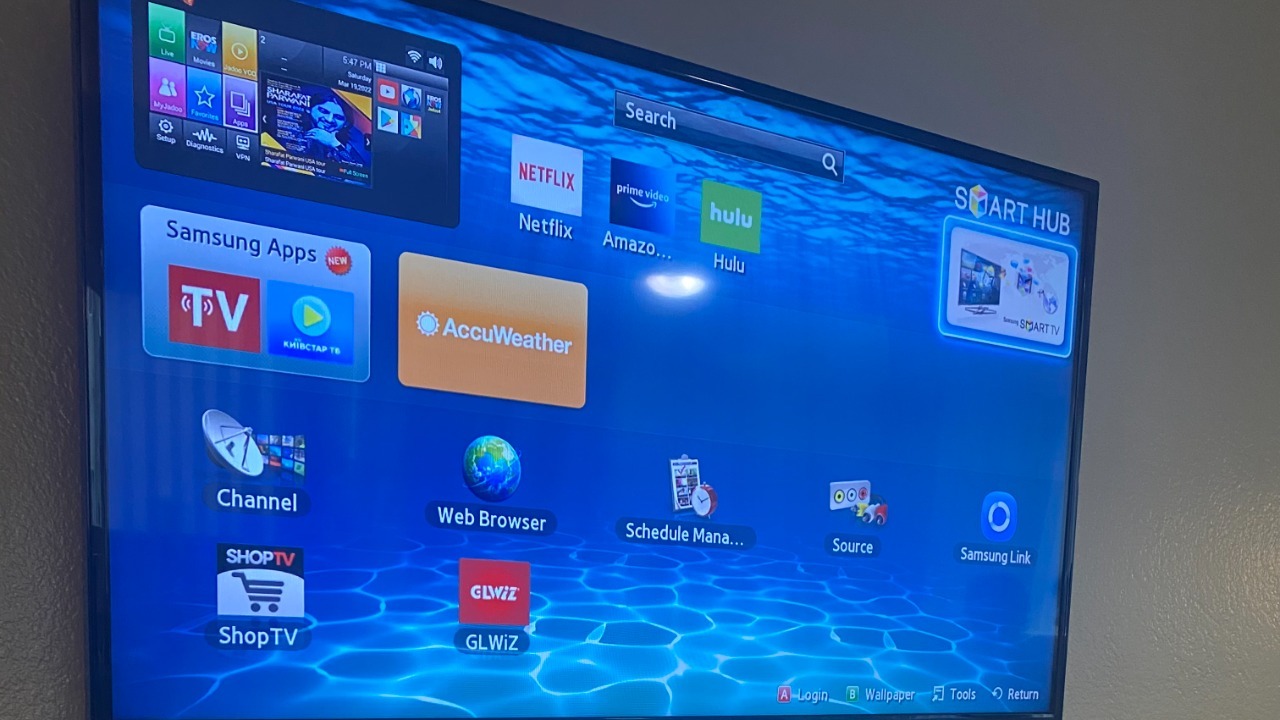
Subscription services offer convenience, but it’s easy to forget about them, especially when they’re billed automatically. I realized I was paying for several subscriptions I rarely used. By reviewing my bank statements, I identified services I could cancel, freeing up more money for savings.
Regularly auditing my subscriptions ensures I’m only paying for what I actually use. For those looking to manage their expenses better, this guide provides additional tips on stretching your paycheck.
Dining Out Frequently

While dining out is convenient, it can be a major drain on my finances if done too frequently. Restaurant meals cost significantly more than home-cooked meals. By planning weekly meal preps, I can enjoy delicious meals without the hefty price tag.
I also try to reserve dining out for special occasions or weekends, which makes it feel more like a treat. This approach not only helps my budget but also encourages healthier eating habits.
Ignoring Discounts and Coupons
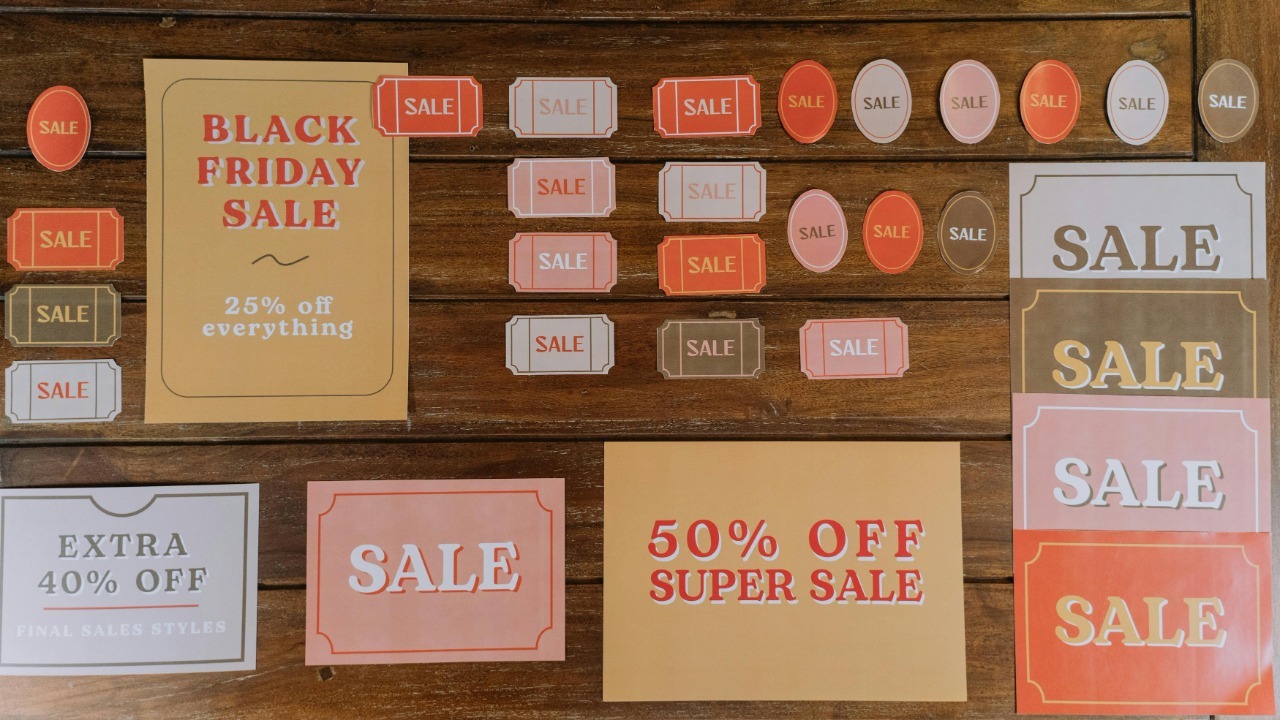
For a long time, I overlooked the power of discounts and coupons. However, taking the time to look for deals can lead to substantial savings. Many retailers offer digital coupons or loyalty programs that provide discounts on future purchases.
I’ve found it helpful to subscribe to newsletters from my favorite stores to stay updated on sales and promotions. It’s a simple habit that can lead to big savings over time.
Excessive Utility Usage

Utility bills are a necessary expense, but excessive usage can inflate them significantly. I’ve learned to be more conscious of my energy and water consumption. Simple actions like turning off lights when leaving a room or taking shorter showers can make a big difference.
Investing in energy-efficient appliances and using a programmable thermostat have also helped me reduce my utility costs. For those interested in how financial habits impact overall happiness, this article offers intriguing insights.
Neglecting a Budget Plan

For years, I underestimated the power of a solid budget plan. Without a clear understanding of my income and expenses, I found myself living paycheck to paycheck. Creating a budget has been a game-changer, allowing me to track my spending and identify areas for improvement.
There are numerous budgeting tools and apps available that can simplify the process. By setting financial goals and sticking to a budget, I’ve gained better control over my finances and reduced unnecessary spending.

Cole Whitaker focuses on the fundamentals of money management, helping readers make smarter decisions around income, spending, saving, and long-term financial stability. His writing emphasizes clarity, discipline, and practical systems that work in real life. At The Daily Overview, Cole breaks down personal finance topics into straightforward guidance readers can apply immediately.
