
Many middle-class families find themselves caught in a cycle of financial struggle, often due to everyday habits that undermine their economic stability. From unchecked spending patterns to the pursuit of status symbols, these habits can keep individuals from achieving financial security. Understanding these behaviors is crucial for anyone looking to break free from this cycle and build a more secure financial future.
Overspending on Daily Conveniences

One common habit that keeps lower-middle-income earners living paycheck to paycheck is overspending on daily conveniences. This includes frequent impulse purchases of small items like coffee, snacks, or convenience store goods. These seemingly minor expenses can add up significantly over time, eroding savings and financial security. According to VegOut Magazine, these spending habits are a major factor in why many people struggle to break free from financial constraints. By becoming more mindful of these everyday expenditures, individuals can start to redirect funds towards savings or debt reduction.
Lifestyle Inflation with Age

For many in Generation X, lifestyle inflation is a significant barrier to financial security. As incomes rise, so do expenses, often at a pace that outstrips earnings. This habit of increasing spending in tandem with income growth can leave individuals without adequate savings or investments for the future. AOL highlights this as one of the two key habits that prevent Gen X from achieving financial stability. Addressing lifestyle inflation requires a conscious effort to maintain a budget that prioritizes savings and investment over unnecessary expenditures.
Accumulating High-Interest Debt

Another financial struggle for the middle class is the accumulation of high-interest debt, particularly through credit cards. This type of debt can quickly become overwhelming, as interest compounds and minimum payments barely make a dent in the principal amount. Yahoo Finance identifies this as a persistent challenge for many middle-class families. The burden of revolving credit can prevent individuals from saving for emergencies or retirement, making it essential to prioritize debt reduction strategies.
Chasing Elite Status Symbols

The pursuit of elite status symbols, such as access to exclusive airport lounges, is another habit that can strain middle-class finances. This phenomenon, described by Turchin as “elite overproduction,” has led to overcrowded lounges as more people chase the prestige associated with Delta or American Express elite access. Fortune reports that these aspirations often come with significant financial costs, diverting funds from more critical financial goals. Recognizing the true cost of these status symbols can help individuals make more informed financial decisions.
Neglecting Early Financial Education

Financial habits are often set by age 7, making early education crucial for long-term financial health. Teaching children the value of a dollar can prevent lifelong financial struggles and set them on a path to financial literacy and independence. PBS emphasizes the importance of instilling good money habits early on. Parents can play a pivotal role by involving children in budgeting and saving activities, helping them understand the impact of financial decisions from a young age.
Subscription Creep in Budgets
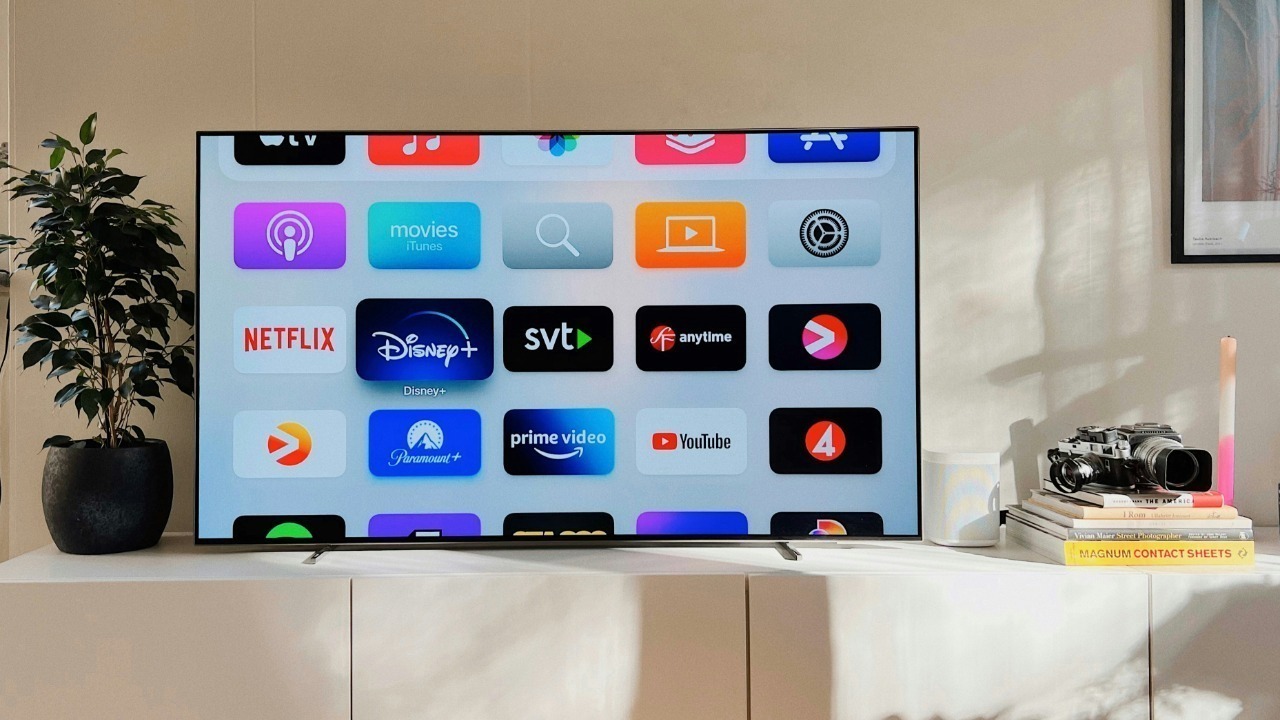
Subscription services, while convenient, can quietly erode a household’s budget if left unchecked. This “subscription creep” involves accumulating multiple recurring charges for services that may not be fully utilized. According to VegOut Magazine, this is another common spending habit that affects lower-middle-income earners. Regularly reviewing and canceling unnecessary subscriptions can free up funds for more critical financial needs, such as savings or debt repayment.
Under-Saving for Emergencies

Many middle-class families struggle with under-saving for emergencies, leaving them vulnerable to financial setbacks. Without an adequate emergency fund, unexpected expenses can lead to debt or financial instability. Yahoo Finance highlights this as a significant issue, emphasizing the importance of building a robust savings cushion. Establishing a dedicated emergency fund can provide peace of mind and financial resilience, allowing families to weather unforeseen challenges without derailing their financial plans.

Cole Whitaker focuses on the fundamentals of money management, helping readers make smarter decisions around income, spending, saving, and long-term financial stability. His writing emphasizes clarity, discipline, and practical systems that work in real life. At The Daily Overview, Cole breaks down personal finance topics into straightforward guidance readers can apply immediately.

