
In today’s economic climate, the middle class faces increasing financial pressures, making it difficult to afford many activities and necessities that were once considered standard. From leisure activities to essential services, the financial landscape has shifted dramatically. This article explores seven everyday things that the middle class finds increasingly out of reach, highlighting the economic challenges they face.
1. Annual Theme Park Outings
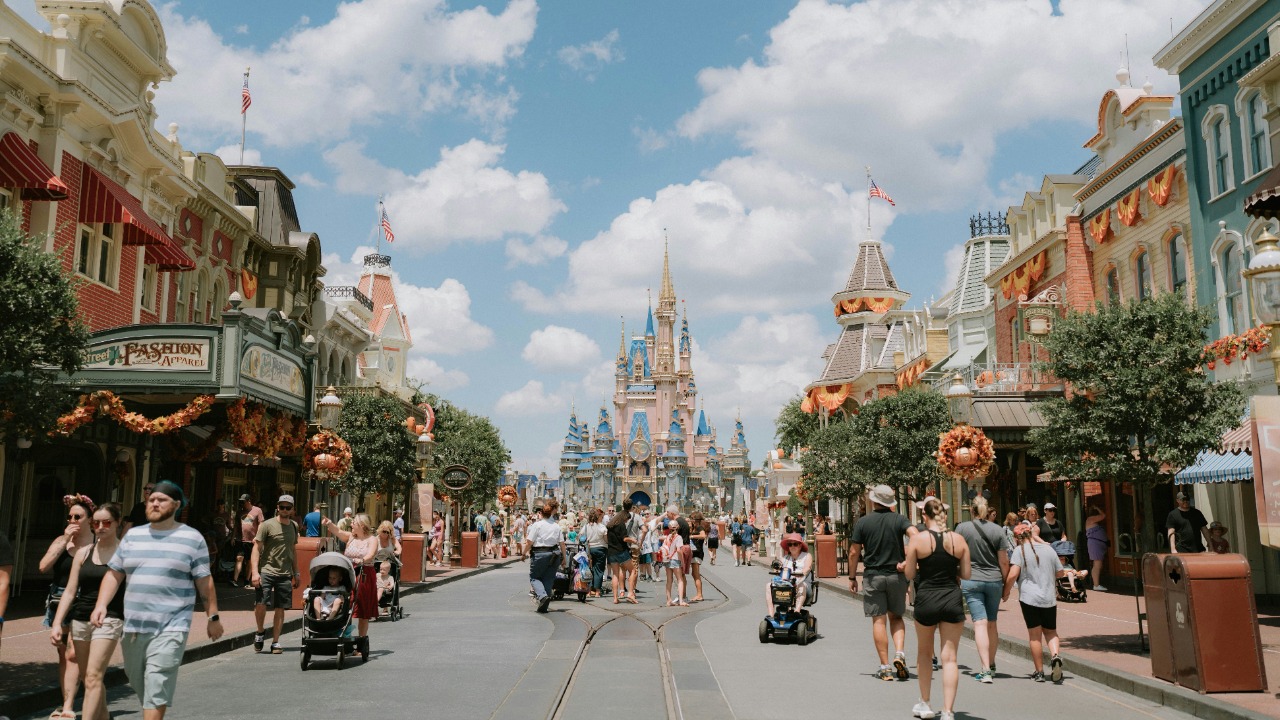
For many families, annual trips to theme parks like Busch Gardens were once a staple of summer vacations. However, the rising costs of tickets, food, and additional expenses have made these outings less accessible for middle-class families. According to a report from GoBankingRates, the cumulative cost of a day at the park can be prohibitive. Families now have to consider not just the price of admission but also the cost of parking, meals, and souvenirs, which can quickly add up to hundreds of dollars.
These expenses are compounded by the fact that many theme parks have introduced tiered pricing models, where peak times and popular attractions come with premium price tags. This pricing strategy has made it difficult for families to plan affordable visits, especially during school holidays when demand is highest. As a result, what was once a common family tradition is now a luxury that many middle-class households can no longer justify.
The financial strain is further exacerbated by the need for accommodations if the park is not within driving distance. Hotel stays, combined with travel costs, can significantly increase the overall expense of a theme park trip. This has led many families to seek alternative, more affordable leisure activities closer to home.
Moreover, the introduction of fast-pass systems, which allow visitors to skip lines for an additional fee, has further stratified the theme park experience. Families who cannot afford these extras often find themselves spending more time waiting in lines than enjoying rides, diminishing the overall value of their visit. This has led to a perception that theme parks are catering more to affluent visitors, leaving middle-class families feeling marginalized.
2. Regular Dining Experiences

Dining out was once a regular occurrence for many middle-class families, offering a convenient break from cooking at home. However, the economic landscape has shifted significantly since the 1980s, when lower-middle-class families could afford to eat out more frequently. According to VegOut Magazine, the rising cost of living and stagnant wages have made dining out a less frequent indulgence.
Restaurants have had to increase their prices to cover higher costs for ingredients, labor, and rent. This has made even casual dining experiences more expensive, pushing them out of reach for many families. Additionally, the expectation of tipping, which has increased over the years, adds to the overall cost of a meal, further discouraging regular dining out.
As a result, many families have turned to cooking at home as a more economical option. While this can be a healthier and more cost-effective choice, it also requires time and effort that busy families may find challenging to manage. The shift away from dining out reflects broader economic pressures that have reshaped how middle-class families allocate their budgets.
In addition to rising costs, the pandemic has also reshaped the dining landscape, with many restaurants closing permanently or reducing their menus and hours. This has limited dining options for families, who may find their favorite local spots no longer available. The shift towards delivery and takeout services, while convenient, often comes with additional fees that further increase the cost of dining out. These changes have forced families to reconsider how often they can afford to indulge in restaurant meals.
3. Basic Healthcare Access

The cost of healthcare in the United States has been a growing concern for many years, and middle-class families are feeling the pinch more than ever. According to a MarketWatch report, many Americans find themselves unable to afford basic healthcare services, which were once more accessible.
The rising cost of insurance premiums, deductibles, and out-of-pocket expenses has made healthcare a significant financial burden. Even with insurance, many families face high costs for routine check-ups, prescriptions, and emergency care. This financial strain has led some to delay or forgo necessary medical treatments, which can have long-term health consequences.
The broader economic implications are significant, as healthcare costs consume a larger portion of household budgets, leaving less for other essentials. This situation underscores a growing divide in access to healthcare, where only those with substantial financial resources can afford comprehensive coverage and care.
Telemedicine has emerged as a potential solution to some of these challenges, offering more affordable and accessible healthcare options. However, not all services can be provided remotely, and many families still face significant costs for in-person visits and procedures. Additionally, the complexity of navigating insurance plans and understanding coverage can be overwhelming, leading to unexpected expenses that strain family budgets. This situation highlights the need for systemic reforms to make healthcare more affordable and transparent for all.
4. Private School Tuition
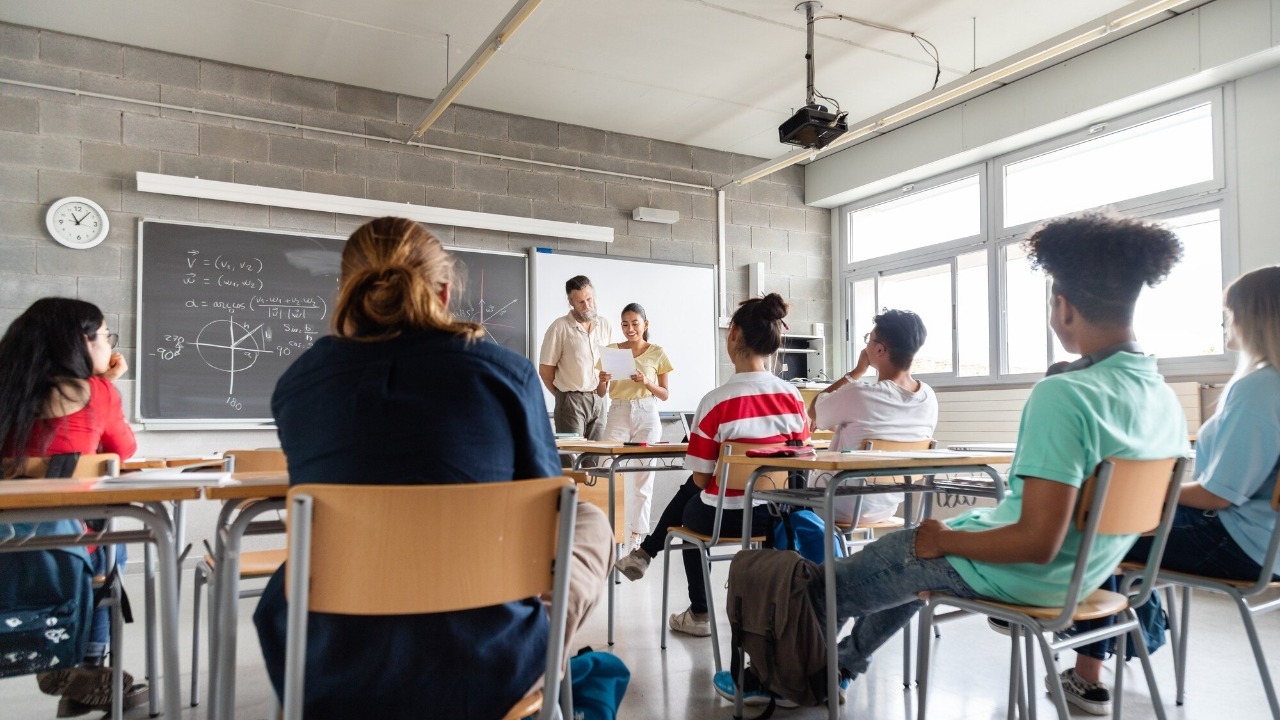
Education is a priority for many families, and private schools have long been seen as a way to provide children with a high-quality education. However, the cost of private school tuition has become a significant barrier for many middle-class families. According to a report from Yahoo Finance, even upper-middle-class households are finding it difficult to afford private education.
The rising cost of tuition, combined with additional fees for extracurricular activities, uniforms, and supplies, has made private schooling a luxury that many families can no longer afford. This financial pressure is compounded by the need to save for college, which is also becoming increasingly expensive.
As a result, many families are turning to public schools or seeking alternative education options, such as homeschooling or charter schools, which may offer more affordable solutions. This shift reflects broader economic challenges and the need for families to make difficult choices about their children’s education.
Scholarship opportunities and financial aid can help alleviate some of the financial burden, but these resources are often limited and highly competitive. As a result, families may find themselves making significant sacrifices in other areas of their budget to afford private education. The pressure to provide the best possible education for their children can lead to difficult decisions, such as taking on additional work or cutting back on retirement savings. This underscores the broader economic challenges facing families who prioritize education in an increasingly expensive landscape.
5. Weekend Getaways

Weekend getaways have long been a way for families to relax and recharge, but the cost of travel and accommodations has made these trips less accessible for the middle class. According to YourTango, even those who feel they are upper middle class often struggle to afford leisure activities like weekend trips.
The rising cost of gas, hotel stays, and dining out while traveling has made weekend getaways a more significant financial commitment. Additionally, the increased cost of living means that many families have less disposable income to spend on leisure activities.
This financial strain has led many families to seek more affordable alternatives, such as day trips or staycations, where they can enjoy local attractions without the added expense of travel and accommodations. This trend reflects a broader shift in how families prioritize their spending and leisure activities.
Furthermore, the rise of short-term rental platforms has increased competition for affordable accommodations, driving up prices in popular destinations. This has made it more challenging for families to find budget-friendly lodging options, even for short trips. The increased cost of travel insurance, often necessary to protect against unforeseen cancellations or emergencies, adds another layer of expense. These factors contribute to the growing perception that weekend getaways are a luxury rather than a routine part of family life.
6. New Vehicle Purchases

The ability to purchase a new vehicle has long been a marker of financial stability, but for many middle-class families, this is becoming increasingly difficult. According to VegOut Magazine, the affordability gap for new vehicles has widened significantly since the 1980s.
The rising cost of new cars, combined with higher interest rates on auto loans, has made purchasing a new vehicle a significant financial burden. Many families are opting to buy used cars or hold onto their current vehicles for longer periods to avoid the high cost of new car ownership.
This trend reflects broader economic challenges, as stagnant wages and rising living costs leave families with less disposable income to spend on big-ticket items like new cars. The shift towards more affordable transportation options highlights the financial pressures facing the middle class.
In response to these challenges, some families are exploring alternative transportation options, such as car-sharing services or public transit, to reduce their reliance on personal vehicles. The growing market for electric and hybrid vehicles, while promising long-term savings on fuel, often comes with higher upfront costs that can be prohibitive for middle-class families. This dynamic reflects a broader shift in consumer priorities, where environmental considerations must be balanced against immediate financial constraints.
7. Home Maintenance Upgrades
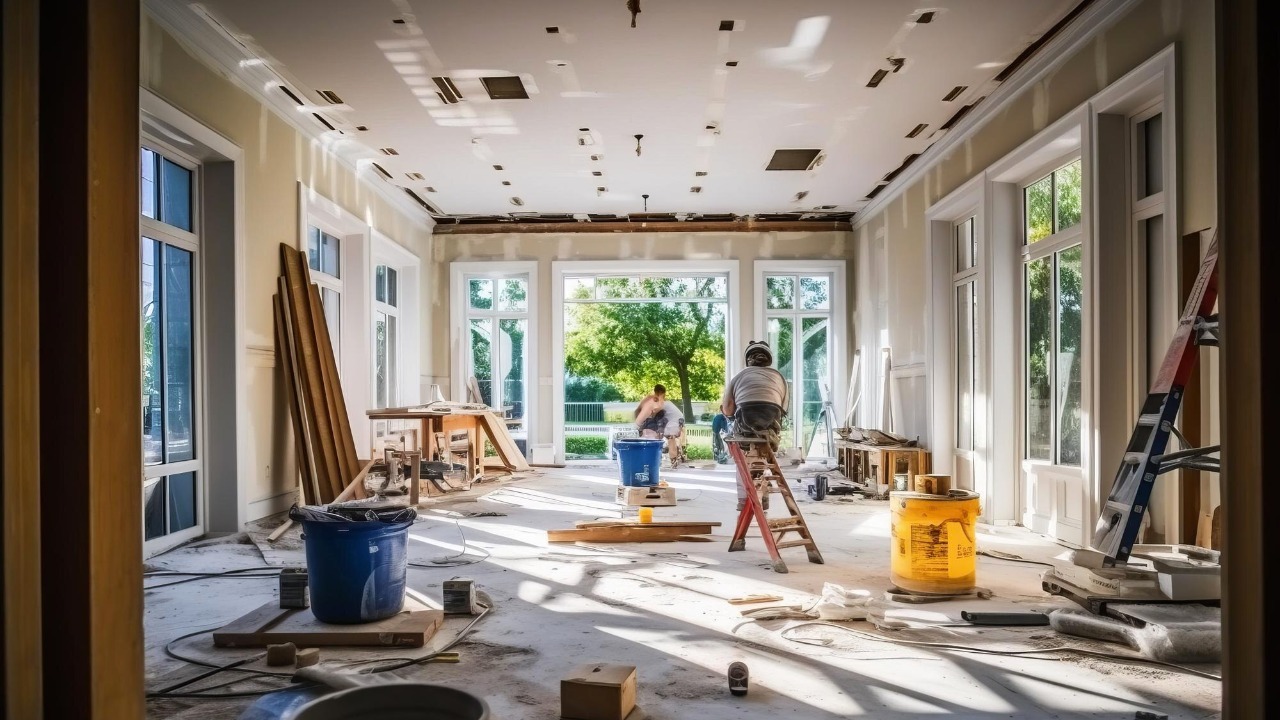
Maintaining and upgrading a home is an ongoing expense that many middle-class families are finding increasingly difficult to manage. According to MarketWatch, the cost of home repairs and upgrades has become a significant financial burden for many.
The rising cost of materials and labor has made even minor home improvements more expensive. This financial strain is compounded by the need to address unexpected repairs, such as plumbing or electrical issues, which can quickly add up to thousands of dollars.
As a result, many families are delaying necessary upgrades or opting for DIY solutions to save money. This trend reflects broader economic challenges and the need for families to prioritize their spending on essential home maintenance over more discretionary upgrades.
Energy efficiency upgrades, such as installing solar panels or upgrading insulation, can offer long-term savings on utility bills but require significant initial investments. Many families find it challenging to justify these expenses when immediate repairs demand attention. Additionally, the complexity of navigating permits and regulations for home improvements can add to the cost and time required for projects. This situation highlights the need for accessible financing options and incentives to support families in maintaining and improving their homes sustainably.

Cole Whitaker focuses on the fundamentals of money management, helping readers make smarter decisions around income, spending, saving, and long-term financial stability. His writing emphasizes clarity, discipline, and practical systems that work in real life. At The Daily Overview, Cole breaks down personal finance topics into straightforward guidance readers can apply immediately.
