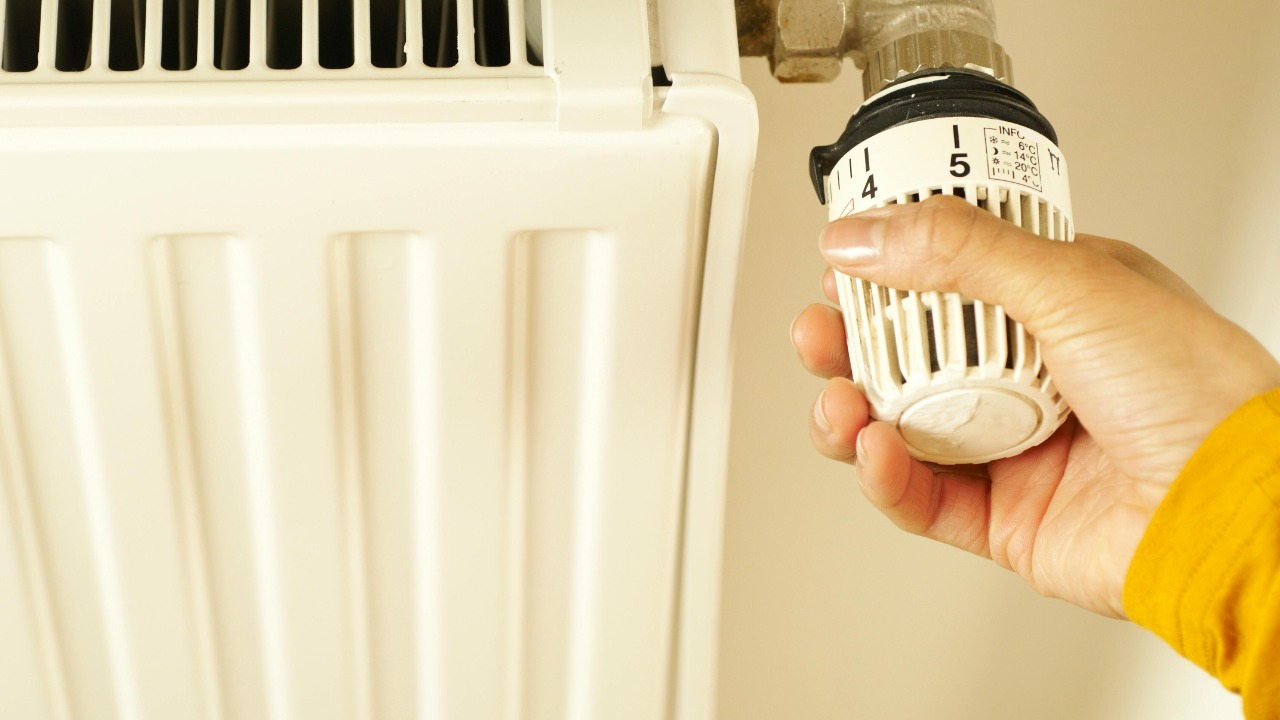
Persistent myths about home heating quietly cost U.S. households hundreds of dollars each winter, and federal energy data shows the losses are far more preventable than most homeowners realize. From leaky ductwork bleeding warm air into attics to thermostat habits based on outdated logic, these misconceptions inflate bills while delivering little extra comfort. With heating and cooling accounting for the largest share of residential energy use, correcting even a few of these errors can produce real savings before spring arrives.
Leaky Ducts Waste More Than Most Homeowners Suspect
One of the most damaging and least visible heating myths is the assumption that ductwork sealed at installation stays tight for the life of a home. In a typical house, 20% to 30% of the air moving through ducts escapes through leaks, holes, and poorly fitted connections, according to ENERGY STAR. That lost air never reaches the rooms it was meant to heat, forcing the furnace to run longer cycles and pushing utility costs higher regardless of thermostat settings. Homeowners often do not notice the problem because some rooms still feel warm, masking the fact that a significant share of heated air is disappearing into wall cavities and structural voids.
When those leaks vent into unconditioned spaces such as attics, garages, or crawl spaces, the financial hit grows sharply. The U.S. Department of Energy notes that duct losses into unheated areas can add hundreds of dollars a year to energy bills, especially in colder climates where systems run for long hours. The fix is straightforward but often done wrong. Mastic sealant or metal-backed tape should be used instead of standard cloth duct tape, which tends to dry out and fail. A professional duct test with a pressure fan can quantify leakage and guide targeted sealing, turning an invisible problem into a measurable opportunity for savings.
Thermostat Setbacks Save Money, Despite the “Working Harder” Myth
Another persistent misconception is that lowering the thermostat while away or asleep forces the furnace to “work harder” later, supposedly erasing any savings. The Department of Energy’s official thermostat guidance directly refutes that belief, explaining that the longer a home stays at a lower temperature, the more heat loss slows and the more energy is saved. The agency estimates that setting back the thermostat 7 to 10 degrees Fahrenheit for eight hours a day can trim heating costs by up to 10% annually, because the brief recovery period uses less energy than would have been spent maintaining a higher temperature around the clock.
The key is consistency. Whether controlled by a basic programmable unit or a connected device, setbacks need to be scheduled and allowed to run without constant manual overrides. Households with variable routines can still benefit by setting default setback periods for typical sleep and work hours, then using temporary holds when plans change. Over a full season, the cumulative effect of dozens of setback cycles usually outweighs any minor comfort adjustments, especially in homes with decent insulation and properly sized equipment.
Heat Pumps Require Different Setback Strategies
There is one important exception to the “set it back and save” rule, and it involves electric heat pumps. A classic Oak Ridge National Laboratory analysis found that deep overnight setbacks can cause heat pumps to rely heavily on auxiliary resistance strips during morning warm-up, particularly when outdoor temperatures are at their lowest. Because those backup elements draw much more electricity than the heat pump’s compressor, aggressive setbacks can shrink or even erase the expected savings, especially in older systems without sophisticated controls.
Modern heat pump thermostats are designed to manage this tradeoff by staging recovery more gradually and limiting unnecessary use of auxiliary heat. Homeowners with heat pumps are generally better off using modest setbacks (often just a few degrees) rather than the larger swings recommended for gas furnaces. Upgrading to a thermostat specifically labeled for heat pump use, and confirming that the “aux heat” indicator does not stay on for long periods during recovery, can prevent bill spikes and keep the system operating near its intended efficiency.
Smart Thermostats Deliver Measurable, Not Marginal, Returns
Skeptics sometimes dismiss smart thermostats as pricey gadgets that offer only marginal savings over basic programmable models. Federal testing data suggests otherwise. The ENERGY STAR program for smart thermostats certifies devices based on field data from real homes, and reports average reductions of about 8% in heating and cooling costs, or roughly $50 per year for a typical household. Given that many smart thermostats cost between $100 and $250, the payback period often falls under three years, after which the savings continue as long as the device remains in service.
The advantage is less about hardware and more about behavior. Traditional programmable thermostats frequently sit in “hold” mode because schedules are confusing to set or too rigid for changing routines. Smart models use occupancy sensors, geofencing, and cloud-based algorithms to adjust temperatures automatically when residents leave or return. Data from Department of Energy pilot programs shows that when setback schedules actually run as intended, without constant overrides, households reliably cut energy use without sacrificing comfort. Remote control via smartphone also makes it easier to correct accidental settings before they run for hours.
Skipping Filter Changes and Maintenance Costs More Than the Service Call
The belief that furnaces and heat pumps can be left alone until something breaks is another costly misconception. ENERGY STAR identifies dirt and neglect as among the leading causes of HVAC inefficiency and premature failure, noting that restricted airflow forces blowers and compressors to work harder. A clogged filter can cause a furnace’s heat exchanger to overheat and cycle off on safety limits, while a dirty indoor coil on a heat pump reduces its ability to move heat, lengthening run times and driving up bills.
Routine maintenance is comparatively inexpensive insurance. Checking filters monthly during heavy-use seasons and replacing them when visibly dirty or according to manufacturer guidance keeps airflow within design specifications. An annual professional inspection can catch failing capacitors, cracked heat exchangers, and low refrigerant charge before they trigger a mid-winter breakdown. In many cases, the energy saved by restoring equipment to proper operation over a single season can offset a significant portion of the service cost, while also extending the system’s lifespan by several years.
Space Heaters Are Not the Budget Fix They Seem
Portable space heaters are often marketed as a thrifty way to heat just one room and turn down the central system, but the economics are more complicated than they appear. Electric resistance heaters convert nearly all input electricity into heat, yet they typically cost more per unit of heat than natural gas or efficient heat pumps. Many households also leave central heat running at nearly the same setting while adding a space heater for comfort, which increases total consumption instead of reducing it. Over a full winter, that pattern can quietly add a noticeable premium to utility bills rather than delivering savings.
Safety concerns further undermine the appeal. The U.S. Fire Administration has documented hundreds of residential fires and significant property losses tied to portable heaters, with many incidents traced to units placed too close to curtains, furniture, or bedding. The U.S. Consumer Product Safety Commission urges users to maintain a three-foot safety zone around heaters, plug them directly into wall outlets, and turn them off before sleeping or leaving a room. Used sparingly to warm a single occupied space while the main thermostat is turned down, a modern heater with tip-over and overheat protection can play a limited supporting role, but it is not a substitute for addressing whole-house efficiency.
Ignoring the Building Envelope Erases Other Savings
Perhaps the most overlooked heating myth is the idea that a new furnace or smart thermostat alone can solve comfort and cost problems in a drafty house. In reality, the building envelope (attic, walls, floors, and foundation) often dictates how hard heating equipment must work. ENERGY STAR reports that targeted air sealing and added insulation in key areas can cut heating and cooling use by around 15%, translating to roughly 11% savings on overall household energy. Sealing gaps around plumbing penetrations, recessed lights, and attic hatches, then bringing insulation up to recommended levels, reduces uncontrolled air leakage that no thermostat setting can fully overcome.
Windows are another weak point that homeowners routinely underestimate. Research on building performance in the United States and United Kingdom has found that on cold days, windows can account for about 40% of heat loss, especially in older homes with single glazing or leaky frames. Full replacement with high-performance units is effective but expensive; in the meantime, low-cost measures such as weatherstripping, thermal curtains, and interior storm panels can significantly cut drafts and radiant losses. By tightening the envelope first, homeowners amplify the impact of every other upgrade, from high-efficiency boilers to connected controls.
Policy, Programs, and the Future of Home Heating Efficiency
Behind the household-level decisions about ducts, thermostats, and insulation lies a broader push to modernize residential heating nationwide. Federal research agencies and demonstration efforts are working to refine technologies and practices that can be adopted at scale. The Department of Energy’s infrastructure-focused funding portal showcases grants and rebates that states and utilities can use to support weatherization, high-efficiency heat pumps, and smart controls, helping to lower upfront costs that often deter homeowners from making upgrades. These initiatives aim to turn proven efficiency measures into standard practice rather than niche projects.
On the innovation side, advanced research programs are targeting the next generation of heating solutions. The ARPA-E agency describes in its program overview how it backs high-risk, high-reward projects such as ultra-efficient heat pump designs, improved thermal storage, and materials that reduce building heat loss. As these technologies move from lab to market, they are expected to complement existing best practices like duct sealing and insulation. For homeowners, staying informed about rebates, pilot programs, and emerging options can turn today’s incremental fixes into part of a longer-term strategy for comfort, resilience, and lower energy bills.
More From The Daily Overview
*This article was researched with the help of AI, with human editors creating the final content.

Cole Whitaker focuses on the fundamentals of money management, helping readers make smarter decisions around income, spending, saving, and long-term financial stability. His writing emphasizes clarity, discipline, and practical systems that work in real life. At The Daily Overview, Cole breaks down personal finance topics into straightforward guidance readers can apply immediately.
