
America’s love affair with pets is undeniable, but it comes with significant financial and environmental costs. From skyrocketing spending on pet care to the strain on animal shelters, the hidden expenses of pet ownership are substantial. Understanding these costs can help pet owners make informed decisions and manage their budgets more effectively.
1. Skyrocketing Overall Pet Spending

In 2022, American pet owners spent a staggering $136.8 billion on their pets, marking an 8% increase from the previous year. This surge in spending is largely driven by the rising costs of veterinary care and pet supplies. As pet ownership becomes more prevalent, the demand for high-quality pet products and services continues to grow, contributing to this significant financial commitment. The American Pet Products Association highlights how these expenses reflect a broader trend of increased investment in pet health and well-being.
This increase in spending is not only limited to basic necessities but also extends to luxury items and services. Many pet owners are investing in high-end accessories, organic foods, and even pet technology like smart collars and pet cameras. The trend towards humanizing pets has led to a booming market for pet wellness products, including supplements and therapeutic treatments. As a result, the pet industry is seeing a diversification of products that cater to the evolving needs and preferences of pet owners, further driving up overall spending.
2. Burden of Routine Pet Food Expenses

Feeding pets is a major financial commitment for American households, with the average annual cost of pet food for dogs and cats exceeding $500 per household. This expenditure contributes to over $30 billion in national spending on pet food in 2023. The Pet Food Industry reports that this substantial outlay reflects the growing demand for premium and specialized pet foods, as owners seek to provide the best nutrition for their furry companions. As a result, pet food expenses remain a significant portion of the overall cost of pet ownership.
Additionally, the rise in pet food costs can be attributed to increased production expenses, such as higher prices for raw materials and transportation. The shift towards sustainable and ethically sourced ingredients has also contributed to the higher price tags on many pet food brands. As consumers become more conscious of the environmental and health impacts of their purchases, they are more willing to pay a premium for products that align with their values. This trend is expected to continue, with the pet food market projected to grow steadily over the next few years.
3. Unexpected Emergency Vet Bills

Emergency veterinary bills can be a daunting financial burden for pet owners, with costs averaging $2,500 for common procedures like surgeries. According to Forbes, one in three pet owners faces unexpected veterinary expenses exceeding $1,000 annually. These unforeseen costs can strain household budgets, especially for those without pet insurance. The high cost of emergency care underscores the importance of financial planning and the potential benefits of pet insurance to mitigate these expenses.
Moreover, the complexity of veterinary procedures has increased, with advanced diagnostic tools and treatments becoming more common. This technological advancement, while beneficial for pet health, also contributes to higher costs. Many pet owners are unaware of the potential expenses associated with emergency care until faced with a crisis. Financial preparedness, such as setting aside an emergency fund specifically for pet care, can alleviate some of the stress associated with these unexpected bills. Additionally, exploring different pet insurance plans can provide a safety net for managing these costs.
4. Gaps in Pet Insurance Coverage

Despite the potential financial relief it offers, pet insurance remains underutilized in the United States. In 2023, pet insurance premiums averaged $48 per month for dogs and $28 for cats, yet only 3.5 million U.S. pets were insured. This leaves many pet owners vulnerable to high out-of-pocket expenses in the event of illness or injury. The North American Pet Health Insurance Association’s report highlights the need for greater awareness and adoption of pet insurance to protect against unexpected veterinary costs.
Furthermore, the limited coverage options and exclusions in many pet insurance policies can deter pet owners from purchasing them. Common exclusions include pre-existing conditions, hereditary disorders, and certain breeds, which can leave owners with significant out-of-pocket expenses despite having insurance. The industry is slowly evolving, with some companies beginning to offer more comprehensive plans that address these gaps. Increased competition among insurers could lead to more affordable and inclusive options, encouraging more pet owners to consider insurance as a viable option for managing veterinary costs.
5. Rising Costs of Pet Services
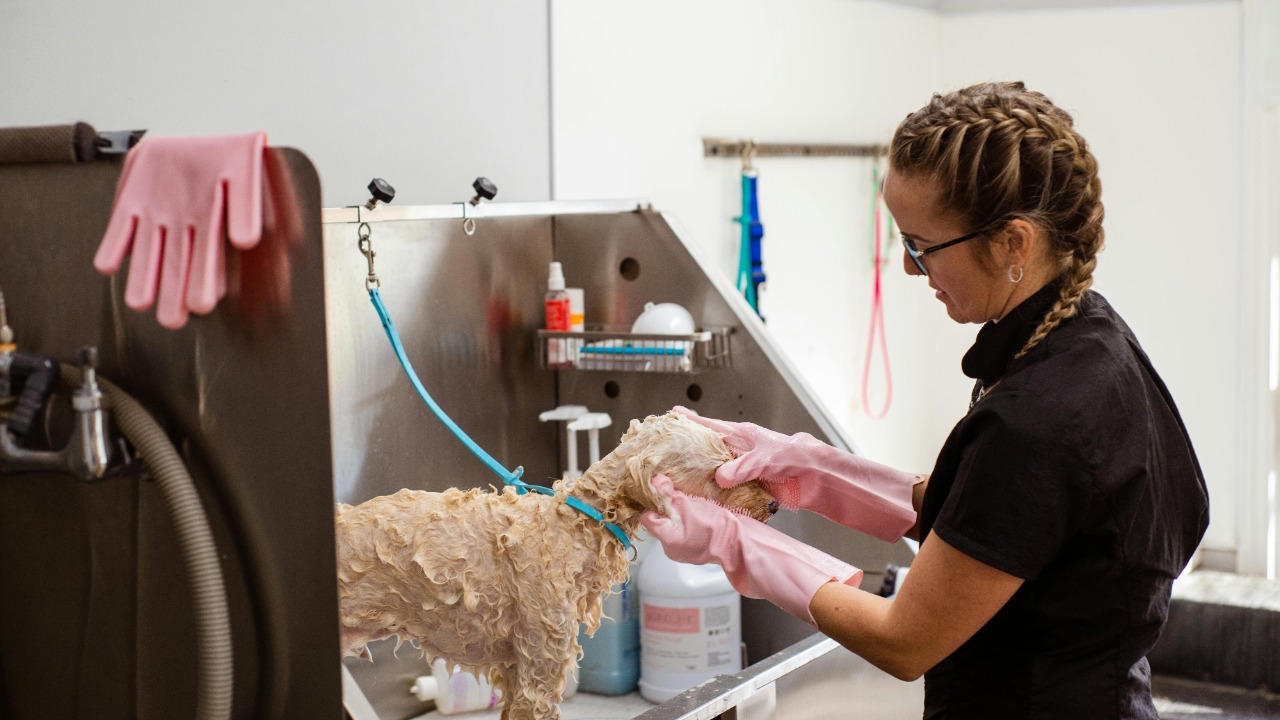
Pet services such as grooming, boarding, and training represent another significant expense for pet owners. In 2022, spending on these services reached $11.4 billion, with boarding costs alone averaging $40 per night. The American Pet Products Association notes that as pet owners increasingly seek professional care for their animals, the demand for these services continues to rise. This trend reflects a broader cultural shift towards treating pets as integral members of the family, deserving of high-quality care and attention.
In addition to basic services, the demand for specialized services such as pet therapy, acupuncture, and behavioral training is on the rise. These services cater to the growing awareness of pet mental health and well-being, reflecting the broader societal trend of prioritizing holistic health. The cost of these specialized services can vary widely, often depending on the provider’s expertise and location. As more pet owners seek these services, the industry is likely to see further innovation and expansion, potentially leading to more competitive pricing and accessibility.
6. Environmental Toll from Pet Waste
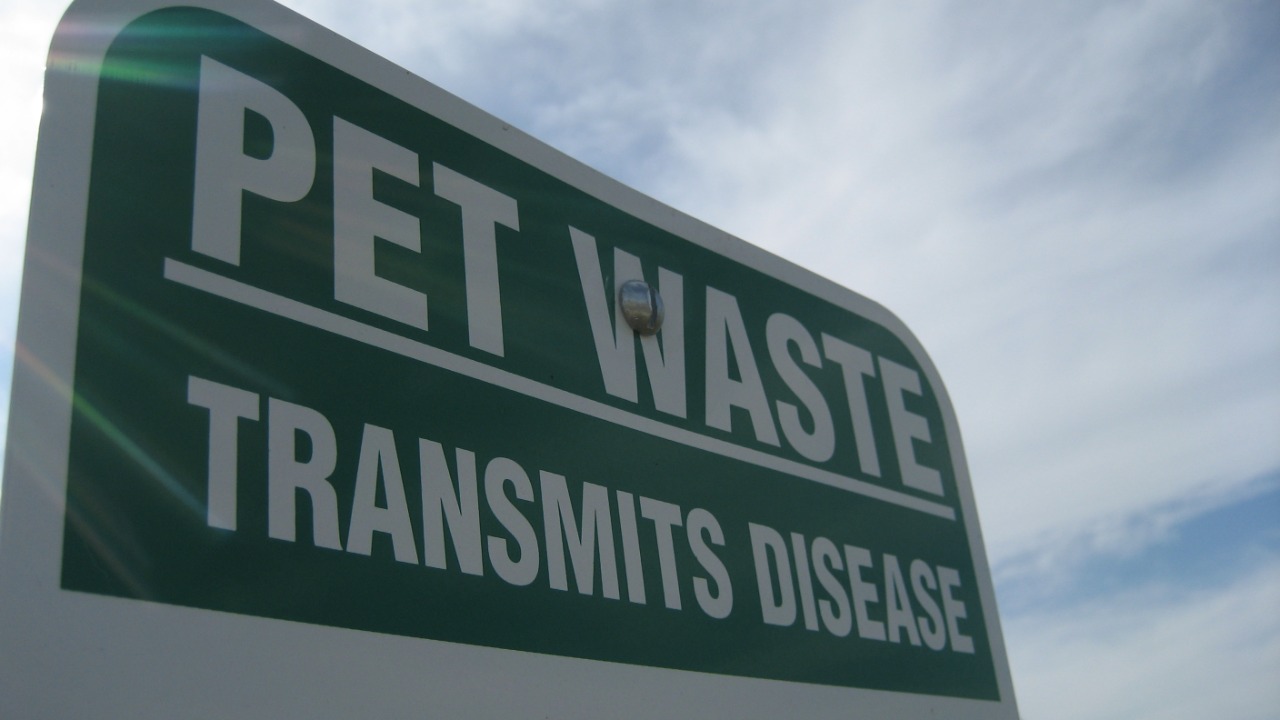
Pet waste is an often-overlooked environmental issue, contributing significantly to water pollution. The Environmental Protection Agency estimates that 10 million tons of dog waste are produced annually in the U.S., leading to nutrient overload in waterways. This pollution costs municipalities millions in cleanup efforts. Addressing the environmental impact of pet waste requires increased public awareness and responsible pet ownership practices to mitigate its effects on local ecosystems.
Efforts to mitigate the environmental impact of pet waste include the promotion of biodegradable waste bags and community composting programs. Some cities have implemented initiatives to educate pet owners about the importance of proper waste disposal and its effects on local ecosystems. Additionally, research into converting pet waste into renewable energy sources is underway, offering a potential solution to reduce its environmental footprint. These initiatives highlight the need for collective action and responsibility among pet owners to address this growing environmental concern.
7. Strain on Animal Shelters and Taxpayers

The influx of companion animals into U.S. shelters poses a significant challenge, with over 6.3 million animals entering shelters in 2023. Euthanasia rates reached 390,000 due to overcrowding, largely driven by impulse adoptions. This situation strains taxpayer-funded resources by over $2 billion annually, according to the ASPCA. The high shelter intake highlights the need for responsible pet ownership and adoption practices to alleviate the burden on shelters and reduce the financial impact on communities.
To address the overcrowding issue, many shelters are implementing community outreach programs to promote responsible pet ownership and prevent surrender. These programs often include educational workshops on pet care, spaying and neutering services, and resources for pet owners facing financial difficulties. Collaboration with local governments and non-profit organizations is crucial in expanding these efforts and ensuring they reach a wider audience. By reducing the number of animals entering shelters, these initiatives can help alleviate the financial burden on taxpayers and improve the welfare of animals in the community.

Cole Whitaker focuses on the fundamentals of money management, helping readers make smarter decisions around income, spending, saving, and long-term financial stability. His writing emphasizes clarity, discipline, and practical systems that work in real life. At The Daily Overview, Cole breaks down personal finance topics into straightforward guidance readers can apply immediately.

