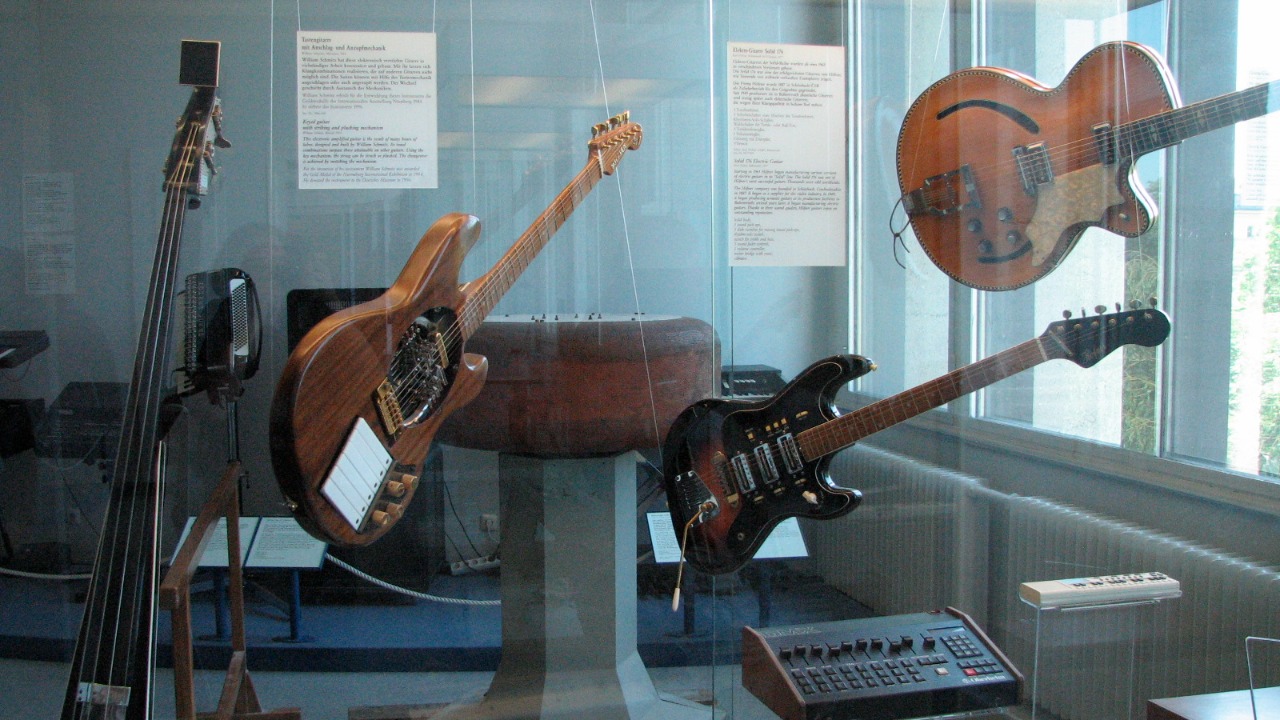
For music aficionados and collectors alike, some musical instruments are more than just tools for making sound; they are a piece of history. These instruments, although obsolete in contemporary music, are highly valued for their rarity and craftsmanship. Discover some of the most intriguing instruments that have become sought-after treasures.
The Theremin
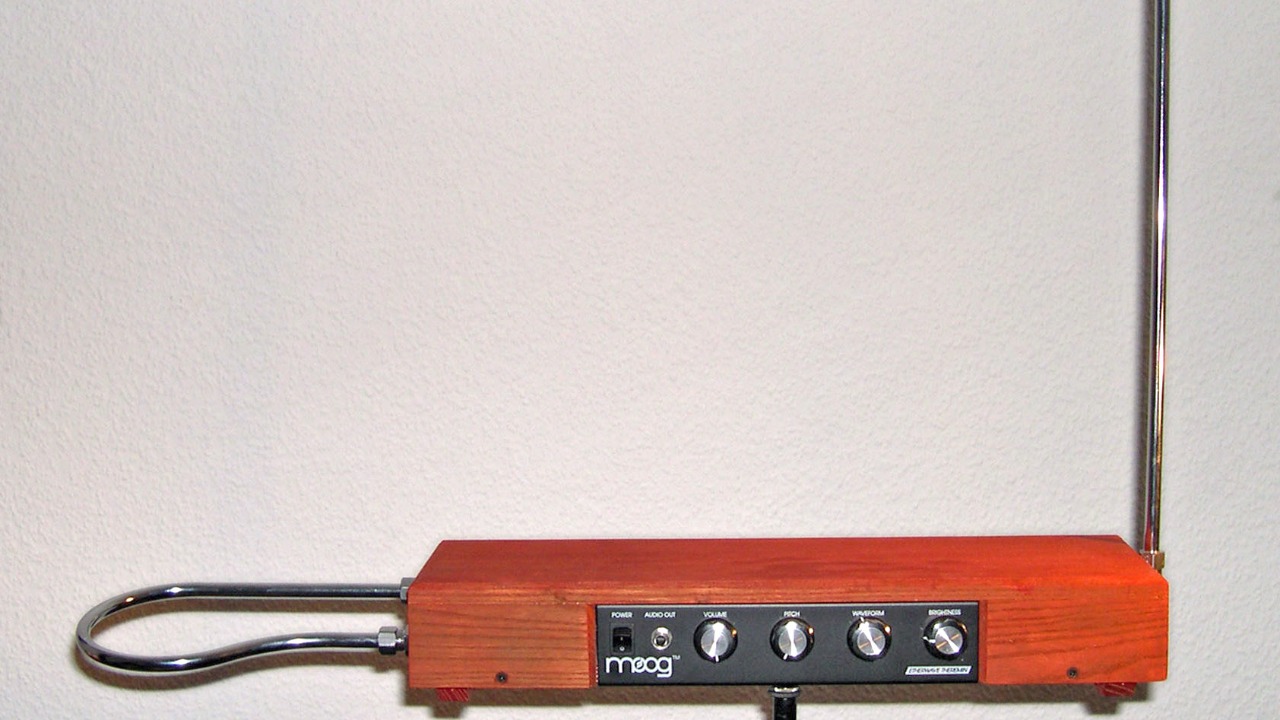
The theremin is one of the earliest electronic musical instruments, invented by Léon Theremin in 1920. It is unique because it’s played without physical contact, using electromagnetic fields to produce ethereal sounds. Despite its seemingly limited use, the theremin is highly valued by collectors today. Its peculiar design and historical significance make it a prized possession for enthusiasts, as noted in this Money Digest article.
The Glass Armonica

Invented by Benjamin Franklin, the glass armonica is an 18th-century instrument made of glass bowls of varying sizes. It produces sound by friction as the musician touches the spinning glasses with wet fingers. Its hauntingly beautiful tones were once believed to inspire madness, but today, this rarity can fetch impressive sums. For more on its intriguing history, check out this source.
The Hurdy-Gurdy
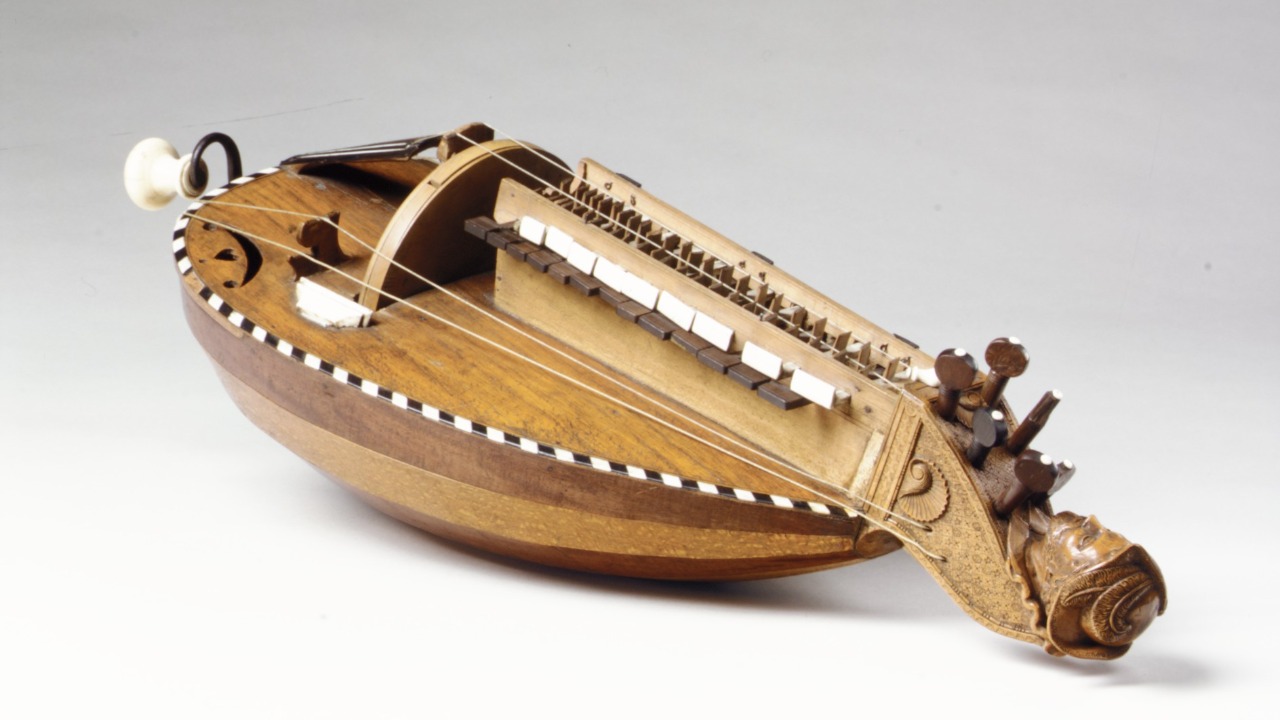
The hurdy-gurdy is a string instrument that produces sound by a hand-cranked wheel rubbing against the strings. Known for its distinctive droning sound, it is a relic from medieval Europe. Despite its age, the hurdy-gurdy remains popular among collectors and musicians who appreciate its unique sound and mechanics. Learn more about its value in this book.
The Clavichord
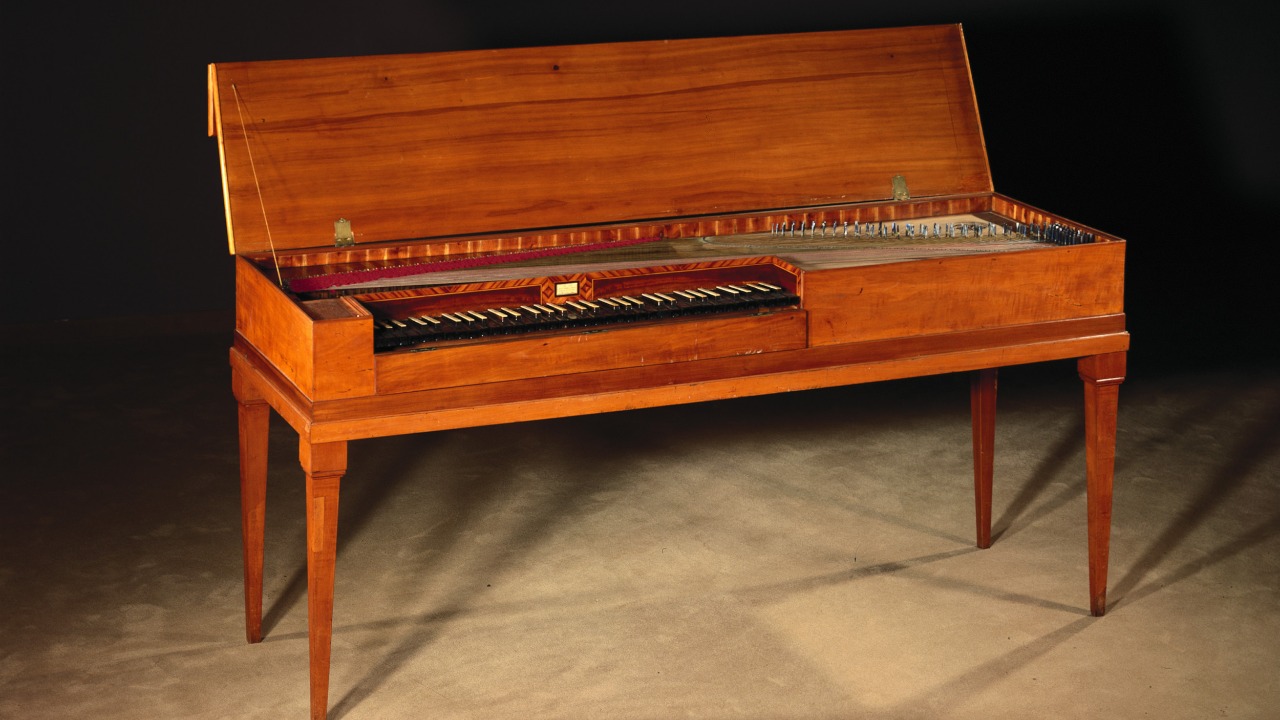
The clavichord, popular during the Renaissance and Baroque periods, is a keyboard instrument known for its soft and intimate sound. Though overshadowed by the piano, its delicate mechanics and historical significance make it a valuable collector’s item. Today, it is cherished for its role in the evolution of keyboard instruments. More details can be found in this journal.
The Serpent
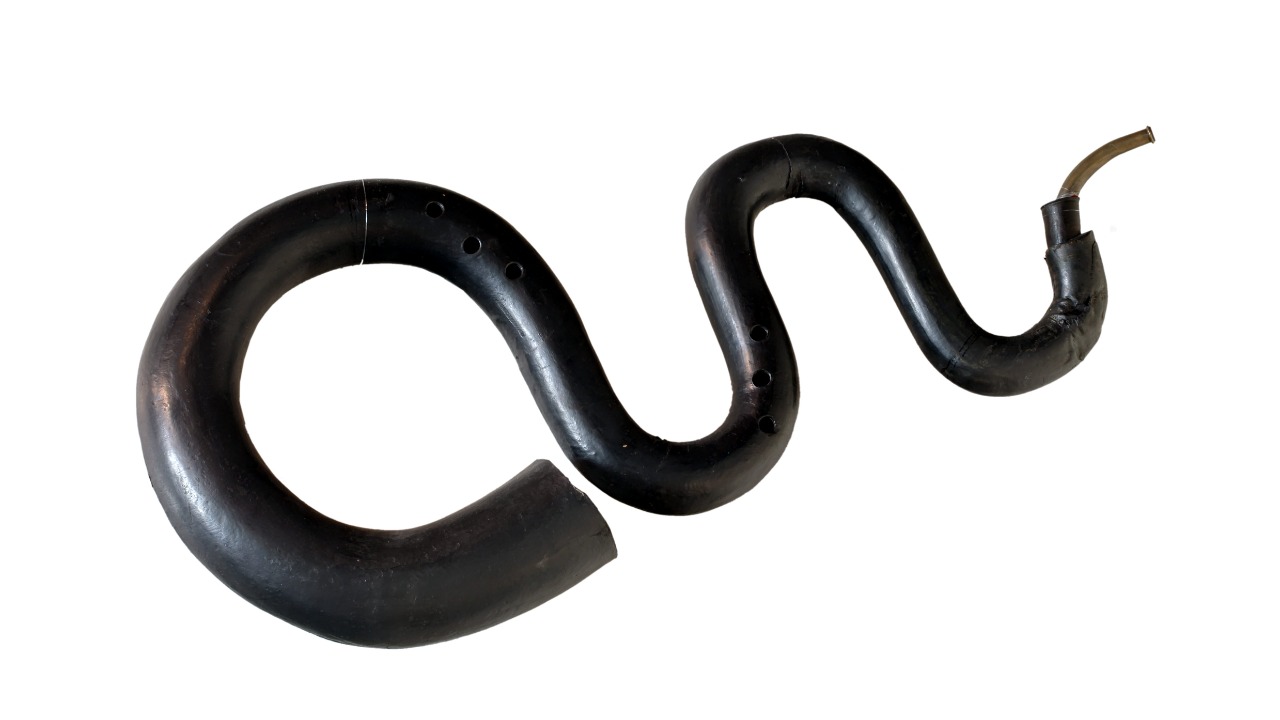
The serpent is a bass wind instrument made of wood and covered in leather, resembling a coiled snake. It was commonly used in military bands before the tuba took its place. Its rarity and unique design make it a prized possession among collectors. For a deeper dive into its history, see this list.
The Crumhorn
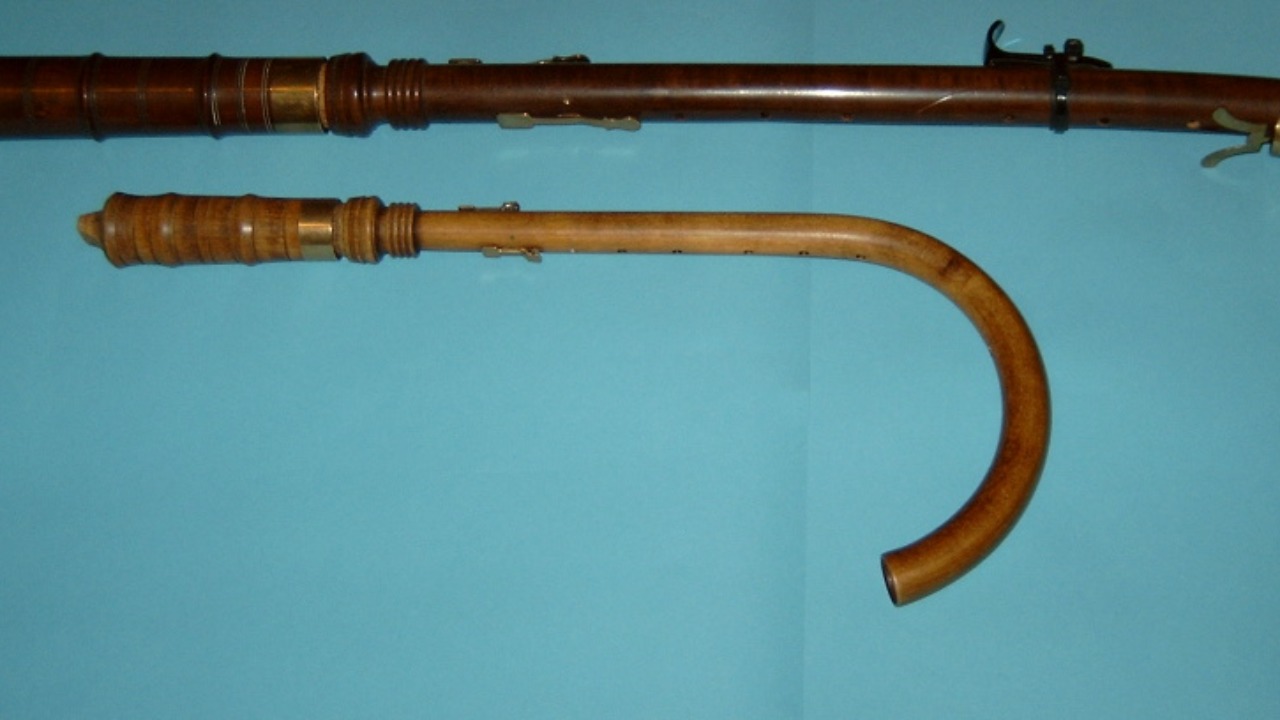
The crumhorn is a double-reed woodwind from the Renaissance period. Its name means “curved horn,” reflecting its distinctive J shape. It produces a buzzing sound similar to other reed instruments. While no longer in mainstream use, its unique shape and historical context make it a collectible item today. Its value and other rare instruments are discussed in this book.
The Viola da Gamba
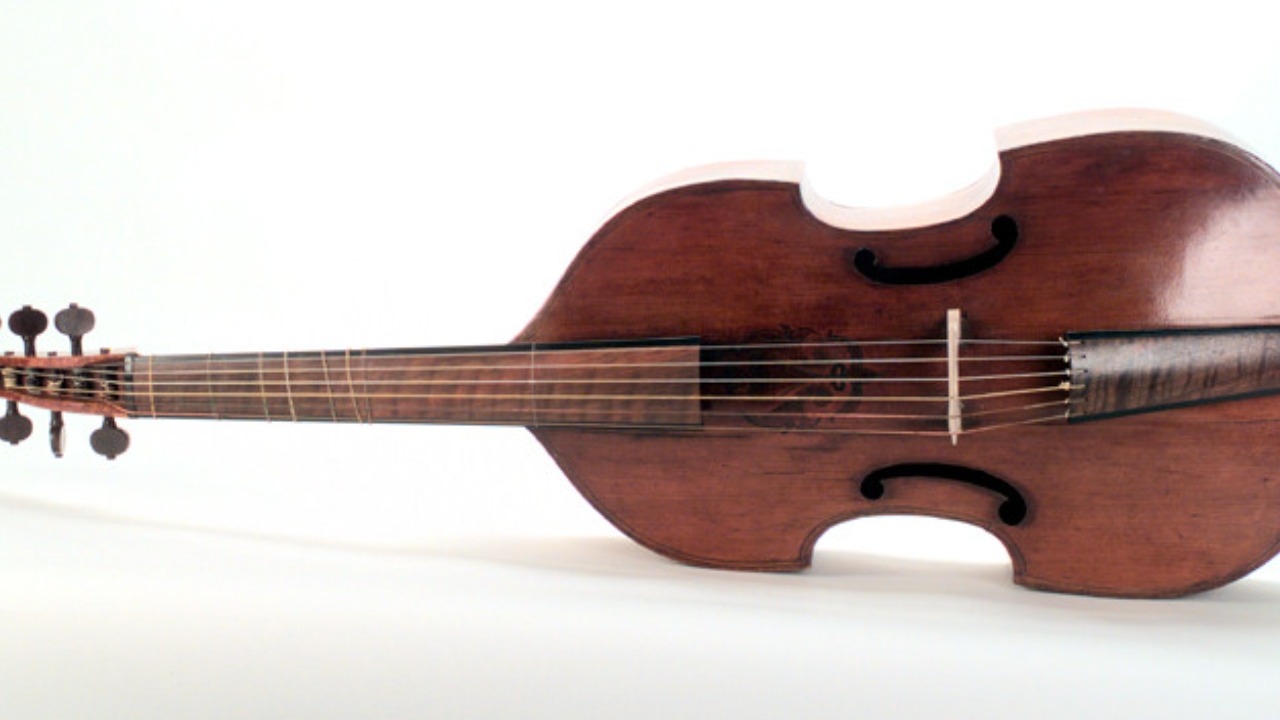
The viola da gamba, or viol, is a bowed string instrument from the Renaissance and Baroque periods. It resembles a cello but has a softer, more resonant tone. Despite its decline in popularity, it remains a sought-after instrument for its rich history and distinctive sound. Collectors and musicians alike treasure the viola da gamba for its craftsmanship. Learn more about its value in this journal.

Cole Whitaker focuses on the fundamentals of money management, helping readers make smarter decisions around income, spending, saving, and long-term financial stability. His writing emphasizes clarity, discipline, and practical systems that work in real life. At The Daily Overview, Cole breaks down personal finance topics into straightforward guidance readers can apply immediately.

