
Adding your child as an authorized user on your credit card can be a strategic move to help them build a credit history and learn financial responsibility. However, this decision requires careful consideration of several factors to ensure it benefits both you and your child. Here are seven critical questions to address before taking this step.
1. Is Your Child Old Enough for Credit Responsibility?

Determining if your child is ready to handle credit responsibility is crucial. The Wall Street Journal emphasizes the importance of assessing your child’s maturity and understanding of financial concepts before adding them as an authorized user. This step can help them build credit, but only if they are prepared to manage the responsibility that comes with it.
Consider whether your child has demonstrated an ability to manage money, such as through a savings account or a budget. If they have shown responsibility in these areas, they may be ready to take on the added responsibility of being an authorized user. This readiness is key to ensuring that the experience is positive and educational.
2. What Are the Personal Motivations for Adding Them?

Understanding your personal motivations for adding your child as an authorized user is essential. According to Bankrate, many parents choose this route to teach their children valuable financial lessons. By giving them access to a credit card, you can guide them in understanding credit limits, interest rates, and the importance of timely payments.
Reflect on what you hope to achieve by making your child an authorized user. Whether it’s to help them build a credit history or to instill financial discipline, having clear goals will guide your approach and ensure that both you and your child benefit from the experience.
3. How Can You Safeguard Their Future Credit Profile?

Protecting your child’s credit profile is a critical consideration. Money Talks News highlights strategies to prevent early credit damage, such as monitoring credit reports and setting spending limits. These measures can help ensure that your child’s credit history remains positive and free from errors or fraudulent activity.
Implementing safeguards like setting low credit limits and regularly reviewing account activity can prevent misuse and teach your child the importance of maintaining a good credit score. These proactive steps are vital in protecting their financial future.
4. Are There Tax Benefits or Considerations Involved?

When adding your child as an authorized user, it’s important to consider any potential tax implications. TurboTax discusses the child tax credit for 2024-2025, which may offer financial benefits to families. While the primary focus of adding a child to your credit card is not tax-related, understanding these benefits can be an added advantage.
Consulting with a tax professional can help you navigate any potential tax benefits or obligations, ensuring that you make informed decisions that align with your financial goals.
5. Does the Card’s APR Structure Affect This Decision?
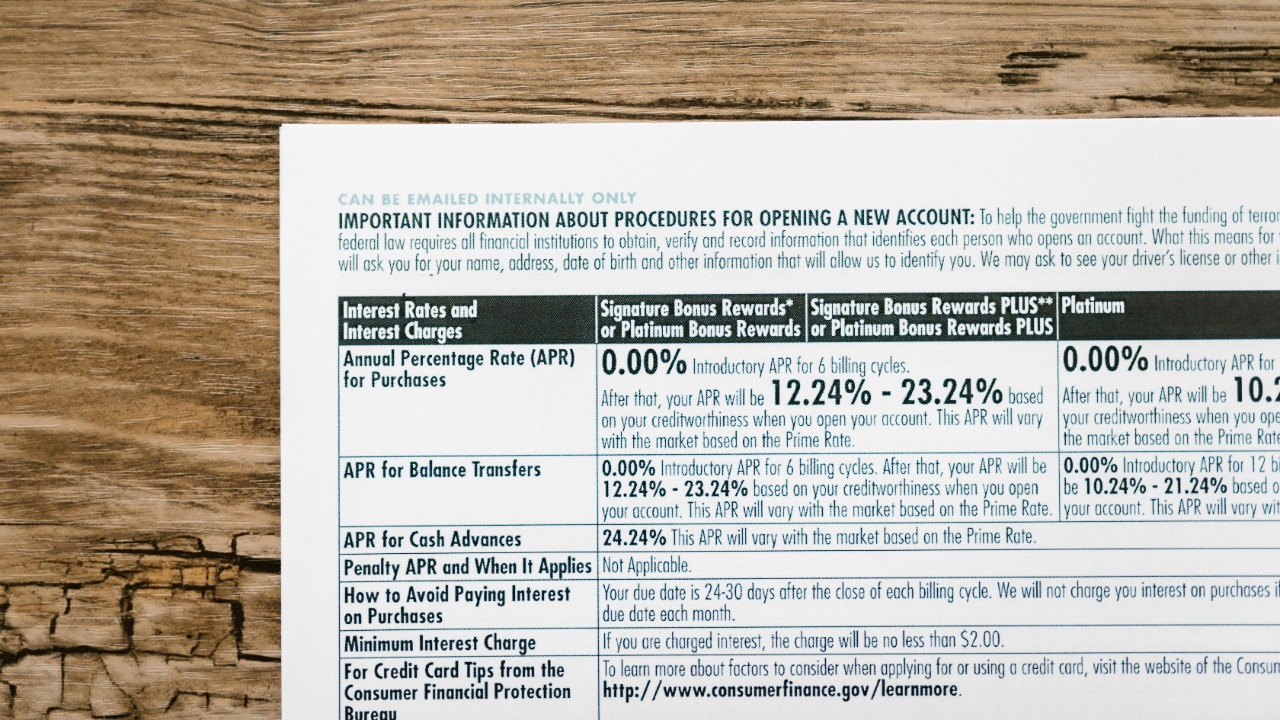
The APR structure of your credit card can significantly impact your decision to add a child as an authorized user. NerdWallet explains the workings of 0% APR credit cards, which can be beneficial if you plan to carry a balance. Understanding how interest rates affect your payments can help you manage costs effectively.
Choosing a card with favorable terms, such as a low or 0% APR, can make it easier to manage any debt incurred by your child. This consideration is crucial in maintaining financial stability while providing your child with a learning opportunity.
6. What Expectations Should You Set for Card Use?

Setting clear expectations for card use is essential before adding your child as an authorized user. The Wall Street Journal suggests discussing spending limits, payment responsibilities, and the consequences of misuse. These guidelines can help your child understand the importance of responsible credit use.
By establishing rules and consequences, you can ensure that your child uses the card wisely and learns from the experience. This proactive approach can prevent misunderstandings and foster a sense of accountability.
7. Why Might This Build Long-Term Financial Habits?

Adding your child as an authorized user can help build long-term financial habits. Bankrate highlights how this experience can foster responsibility and financial literacy. By managing their own spending and understanding credit, your child can develop skills that will benefit them throughout their life.
Encouraging your child to track their spending and set financial goals can reinforce positive habits. This foundation of financial knowledge and responsibility can lead to a lifetime of informed financial decisions, making the initial decision to add them as an authorized user a valuable investment in their future.

Cole Whitaker focuses on the fundamentals of money management, helping readers make smarter decisions around income, spending, saving, and long-term financial stability. His writing emphasizes clarity, discipline, and practical systems that work in real life. At The Daily Overview, Cole breaks down personal finance topics into straightforward guidance readers can apply immediately.