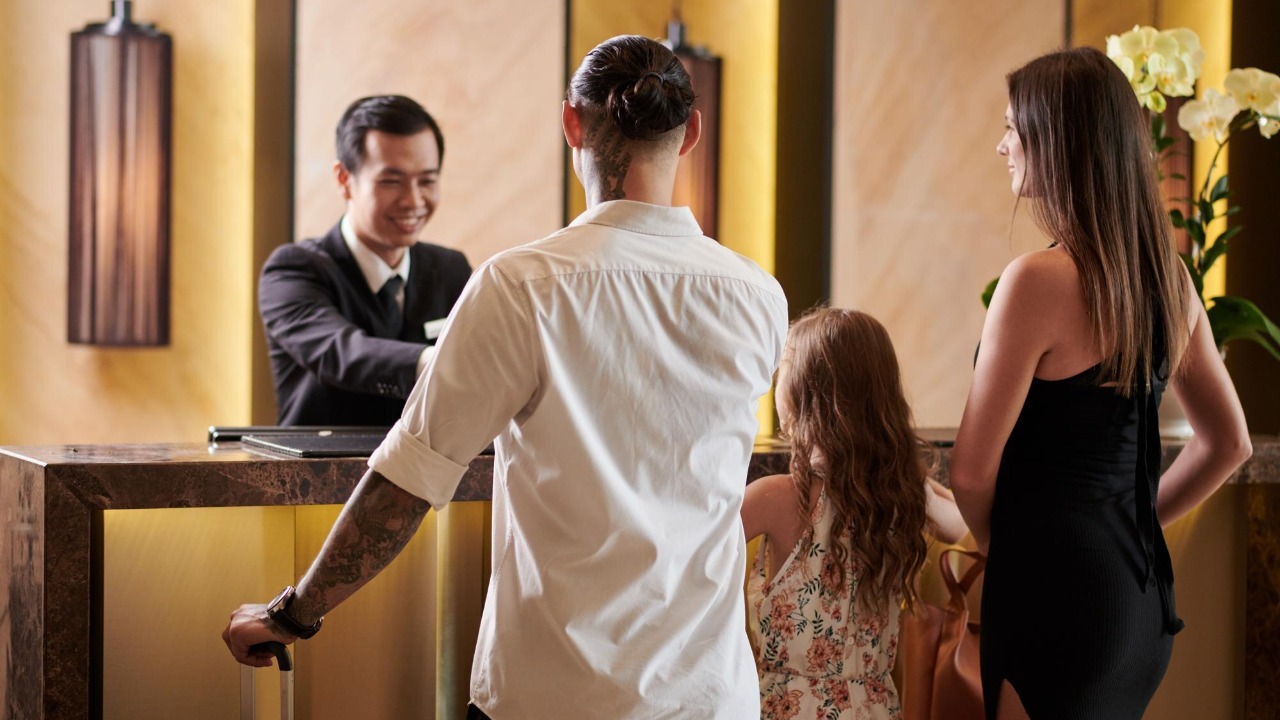
As of May 22, 2025, hotels are increasingly promoting new tipping methods that have sparked strong opinions among guests. This shift highlights how subtle errors in tipping etiquette can lead to misunderstandings or dissatisfaction during stays. Understanding these pitfalls can help guests tip more effectively and enhance their overall experience.
Not Accounting for the New Tipping Methods Hotels Are Promoting
In recent years, hotels have been pushing new ways to tip, moving beyond traditional cash methods to digital and automated options. This shift, reported on May 22, 2025, often catches guests off guard, leading to inadequate gratuities. Many travelers are accustomed to leaving cash tips for housekeeping or concierge services, but the introduction of digital tipping platforms has created confusion. Some guests express frustration when they find that their usual cash tips are no longer the norm, and they are unsure how to adjust their habits to align with these new systems.
The risks of ignoring these changes are significant. Housekeeping and concierge staff, who rely heavily on tips, may find themselves under-tipped if guests are unaware of or choose to ignore the new methods. This can lead to dissatisfaction among staff, potentially affecting the quality of service provided. As hotels continue to promote these new tipping methods, guests need to stay informed and adapt to ensure they are appropriately compensating the staff who enhance their stay.
Tipping Housekeeping Without Considering Daily Service Variations
One common mistake guests make is leaving a flat tip for their entire stay rather than tipping daily. This oversight fails to account for the variations in daily service, such as different staff members cleaning the room each day. With the evolution of hotel tipping practices, including the new methods being promoted, it’s crucial for guests to consider the fairness of their tipping habits. Many guests have strong opinions about the importance of acknowledging daily cleaning efforts, arguing that a single tip at the end of a stay does not adequately reflect the work done throughout their visit.
Furthermore, varying room occupancy or special requests can amplify this error. For instance, if a guest has additional people staying in the room or requires extra services, a flat tip may not suffice. Recent discussions on tipping debates highlight the importance of adjusting tips to reflect the level of service received each day. By doing so, guests can ensure they are fairly compensating staff and maintaining a positive relationship with those who contribute to their comfort.
Overlooking Tips for Valet and Bellhop Services
Forgetting to tip valet and bellhop services is a common error that can sour first impressions. These services are often the first point of contact for guests arriving at a hotel, and neglecting to provide immediate gratuities can set a negative tone for the rest of the stay. As hotels promote new tipping methods, guests may be unsure about how to handle these traditional tipping situations. Some guests express strong opinions about the immediacy of these tips, emphasizing that they are essential for acknowledging the prompt and helpful service provided by valet and bellhop staff.
In high-traffic locations, this mistake becomes even more noticeable. The hustle and bustle of busy hotels can lead to guests overlooking these important tips, but doing so can impact the quality of service received. Reports on hotel tipping practices underscore the importance of recognizing the efforts of valet and bellhop staff, who often go above and beyond to ensure a smooth arrival and departure experience for guests.
Misjudging Tipping for Room Service and In-Room Amenities
Under-tipping for room service is another common mistake, often stemming from the assumption that service charges cover the gratuity. However, evolving practices, such as those highlighted on May 22, 2025, reveal that service charges may not always reach the staff who deliver meals. Guests have strong opinions about the transparency of billing versus actual staff compensation, arguing that clearer communication is needed to ensure fair tipping.
Add-ons like late-night delivery can exacerbate this oversight. When guests order meals or amenities outside of regular hours, they may not realize the additional effort required by staff. Recent hotel policy shifts emphasize the need for guests to consider these factors when tipping, ensuring that staff are adequately compensated for their work, regardless of the time of day.
Neglecting Gratuities for Concierge and Front Desk Assistance
Failing to tip for personalized recommendations or bookings is a pitfall that many guests fall into, especially as hotels push new tipping protocols. Concierge and front desk staff often go above and beyond to enhance a guest’s stay, yet their efforts are frequently overlooked when it comes to tipping. Guests have strong opinions on whether these services warrant tips beyond standard service, with some arguing that complex requests, such as securing reservations at popular restaurants, deserve additional recognition.
Reporting on tipping controversies highlights the importance of acknowledging the work of concierge and front desk staff. By providing gratuities for their efforts, guests can show appreciation for the personalized service they receive, fostering a positive relationship with hotel staff and enhancing their overall experience.
Ignoring Cultural or Regional Tipping Norms at International Hotels
Applying U.S.-centric tipping practices to international stays can lead to awkward interactions and mismatched expectations. As hotels worldwide promote new tipping methods, guests must be aware of cultural or regional norms. International guests often have strong opinions about the importance of understanding local customs, emphasizing that failing to do so can result in uncomfortable situations.
Location-specific examples, such as no-tip cultures, can clash with hotel policies, creating confusion for travelers. Recent articles on this topic highlight the need for guests to research and respect local tipping practices, ensuring they are appropriately compensating staff while avoiding cultural faux pas.
Failing to Tip for Spa and Fitness Center Staff
Overlooking gratuities for spa treatments or fitness center services is a common error, particularly as hotels advance innovative tipping methods. Guests often view spa tipping as optional, but many have strong opinions about its importance as an essential courtesy. By recognizing the efforts of spa and fitness center staff, guests can show appreciation for the personalized service they receive.
Wellness-focused amenities, such as personalized fitness sessions or spa treatments, amplify this error. Reports on broader hotel tipping discussions emphasize the importance of acknowledging the work of these staff members, ensuring they are fairly compensated for their contributions to a guest’s well-being.
In conclusion, understanding and adapting to new tipping methods and practices is crucial for guests looking to enhance their hotel experience. By recognizing common tipping mistakes and adjusting their habits accordingly, travelers can ensure they are fairly compensating staff and fostering positive relationships with those who contribute to their comfort and satisfaction during their stay.
More From TheDailyOverview
- Dave Ramsey says these two simple questions show whether you’re rich or poor
- Retired But Want To Work? Try These 18 Jobs for Seniors That Pay Weekly
- IRS raises capital gains thresholds for 2026 and what’s new
- 12 ways to make $5,000 fast that actually work

Cole Whitaker focuses on the fundamentals of money management, helping readers make smarter decisions around income, spending, saving, and long-term financial stability. His writing emphasizes clarity, discipline, and practical systems that work in real life. At The Daily Overview, Cole breaks down personal finance topics into straightforward guidance readers can apply immediately.
