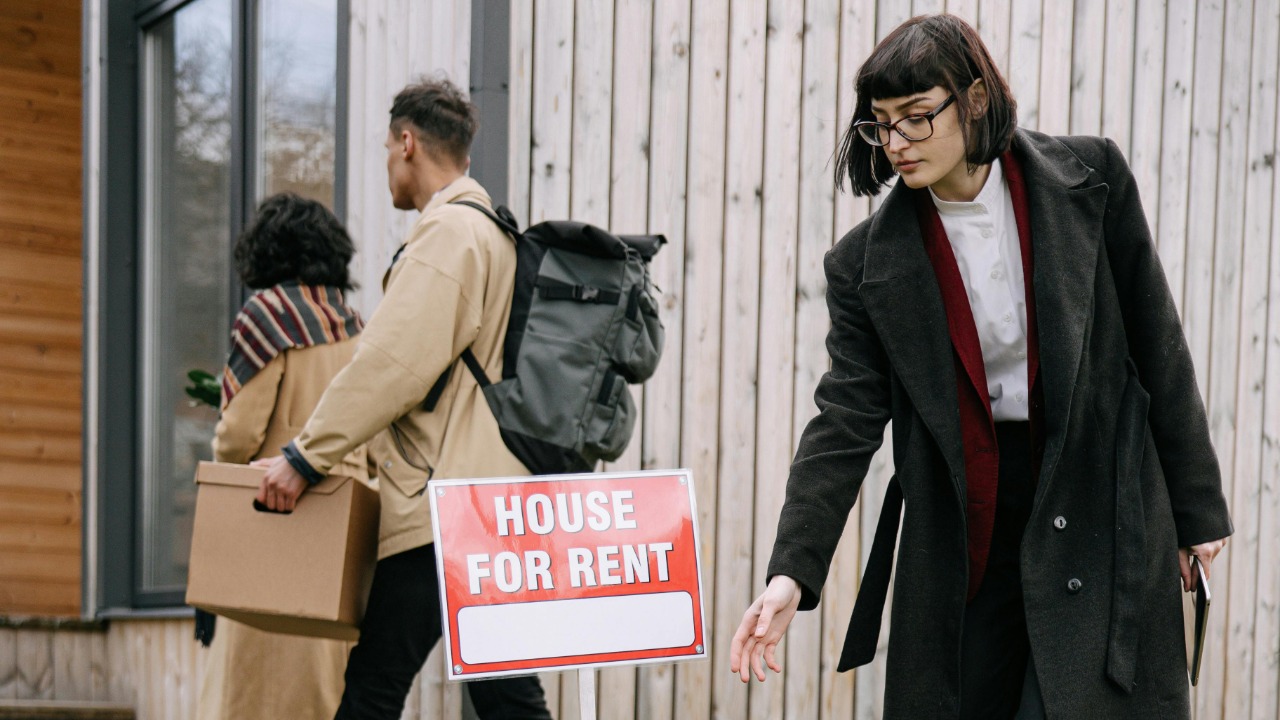
Finding the right tenant can make all the difference in maintaining a successful rental property. While many tenants are reliable, there are certain traits that can spell trouble down the line. Identifying these traits early on can save landlords headaches and ensure a smoother rental experience.
Poor Communication Skills

Communication is key in any landlord-tenant relationship. When tenants fail to respond to emails, texts, or calls in a timely manner, it can lead to misunderstandings or unresolved issues. For example, if a tenant doesn’t report a leaky faucet, it could lead to significant water damage, resulting in costly repairs. According to MySmartMove, clear communication can prevent minor problems from becoming major hassles.
A tenant who struggles with communication may also be difficult to reach in emergencies. It’s crucial to assess a potential tenant’s responsiveness during the application process to avoid future frustration. An open and communicative tenant will make addressing property issues and lease negotiations much more straightforward.
Unstable Financial History

A tenant’s financial history is a strong indicator of their ability to pay rent consistently. Conducting a thorough credit check can reveal red flags such as unpaid debts or a history of bankruptcies. Tenants with unstable financial backgrounds may struggle to meet monthly rent obligations, which could impact your own financial planning. The habits of the financially stable often include budgeting and timely payments, traits landlords should look for in prospective tenants.
It’s advisable to request proof of income and verify employment to ensure that the tenant can afford the property. A rule of thumb is that tenants should earn at least three times the rent to comfortably manage their living expenses.
Disregard for Property Maintenance

Tenants who neglect property maintenance can lead to unnecessary wear and tear or even substantial damage. A tenant who doesn’t report maintenance issues promptly or takes poor care of the property can diminish its value over time. For example, ignoring a small roof leak could escalate into a major roofing problem, requiring extensive repairs.
During the tenant screening process, it’s beneficial to ask about how they maintained previous residences. You might also consider including specific property care expectations in your lease to ensure tenants know their responsibilities.
Frequent Late Payments
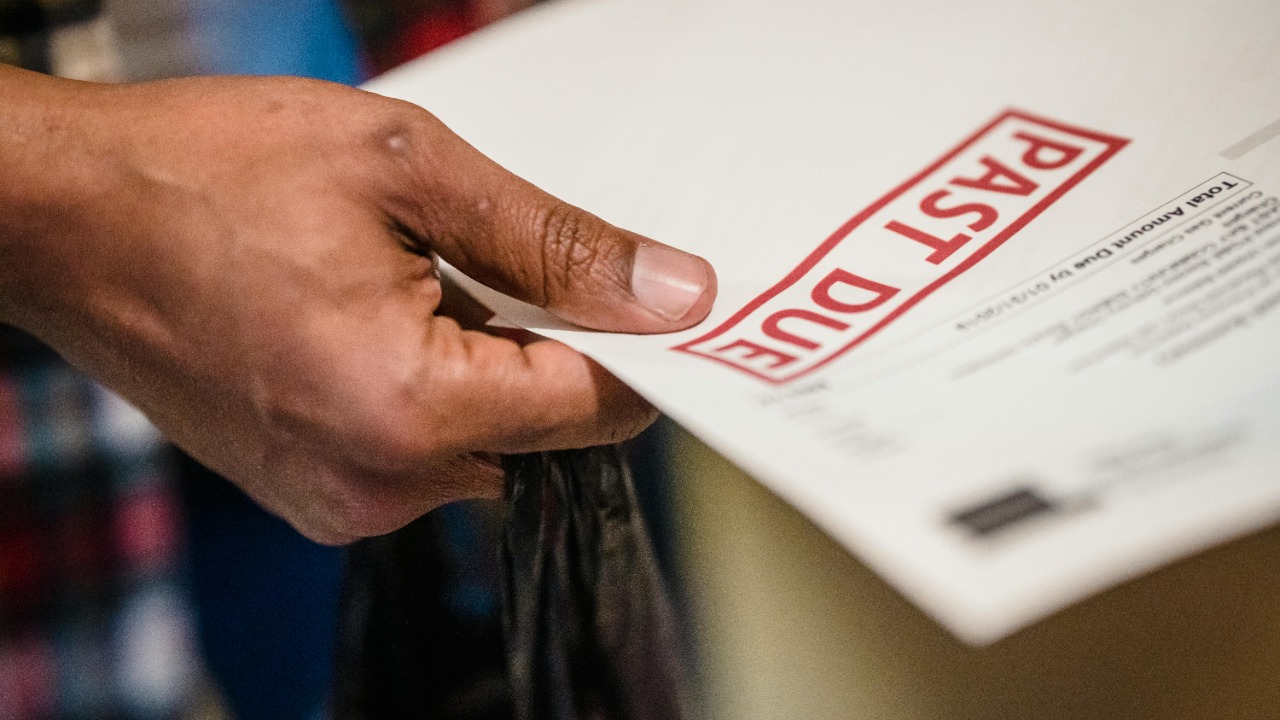
Consistently late rent payments can disrupt your financial stability and planning. Tenants who regularly pay late may be struggling with budgeting or prioritizing their expenses. This behavior can be a significant burden, especially if you rely on the rental income for mortgage payments or other expenses.
Establishing clear consequences for late payments in the lease agreement is essential. It’s also wise to discuss payment history with previous landlords to gauge the tenant’s reliability. According to studies on tenant behavior, consistency in payments is a strong indicator of a reliable tenant.
Negative References from Previous Landlords

References from previous landlords can provide valuable insights into a tenant’s behavior and reliability. Negative feedback, such as a history of disputes or property damage, should be taken seriously. A tenant who has left a trail of unhappy landlords is likely to repeat the pattern.
When checking references, ask specific questions about the tenant’s payment history, property maintenance habits, and any issues during their tenancy. A positive landlord reference can give you peace of mind and confidence in your choice.
Disruptive Lifestyle or Behavior

Tenants with disruptive lifestyles can create tension within the community and lead to complaints from neighbors. This can include excessive noise, frequent parties, or other disturbances that violate lease terms. Such behavior can tarnish the reputation of your property and may even lead to legal issues.
To avoid these problems, consider conducting interviews with potential tenants to understand their lifestyle and whether it aligns with your property rules. Ensure that the lease agreement includes clear guidelines about acceptable behavior and consequences for violations.
Reluctance to Sign a Lease Agreement

A tenant who hesitates or refuses to sign a lease agreement may not be fully committed to the terms and conditions of the rental. A lease agreement protects both the landlord and the tenant by clearly outlining responsibilities and expectations.
It’s essential to discuss any concerns the tenant may have about the lease. This can help identify potential issues before they arise. A signed lease agreement is crucial for legal protection and ensures that all parties are on the same page. According to rental agreement studies, clarity and agreement on terms are fundamental to a successful landlord-tenant relationship.

Elias Broderick specializes in residential and commercial real estate, with a focus on market cycles, property fundamentals, and investment strategy. His writing translates complex housing and development trends into clear insights for both new and experienced investors. At The Daily Overview, Elias explores how real estate fits into long-term wealth planning.

