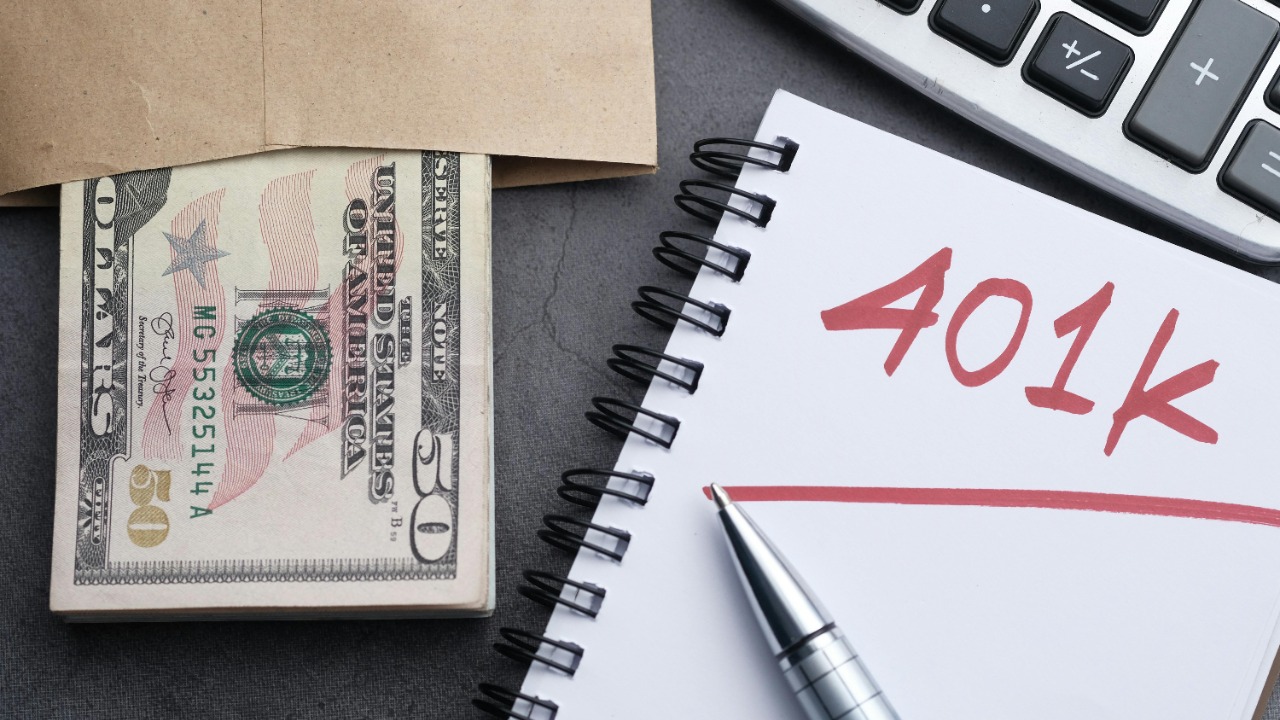
Managing finances can be challenging, especially when resources are limited. From small daily decisions to larger financial commitments, it’s easy to fall into habits that drain your wallet. Here are seven ways money often slips through our fingers each week, and how to rethink these habits.
Impulse Purchases

Impulse buying is a common trap that many people, regardless of their financial status, fall into. The allure of a spontaneous purchase can be hard to resist, but these small expenditures can add up quickly over time. Whether it’s a trendy outfit or a new gadget, it’s important to ask whether the purchase is a necessity or simply a momentary desire.
One way to counteract impulse buying is by implementing a waiting period before making a purchase. This allows time to evaluate whether the item is truly needed or just a fleeting temptation. Additionally, creating a budget can help keep spending in check and prevent these unplanned purchases from derailing financial goals.
Lottery Tickets and Gambling

Many people dream of hitting the jackpot, but the odds are rarely in your favor. Spending money on lottery tickets or gambling can be a significant drain on finances, especially for those already struggling. The thrill of potential winnings often overshadows the reality of likely losses.
Instead of gambling, consider investing that money in a savings account or a more reliable financial instrument. Over time, even small amounts can grow significantly, providing a more secure financial future.
Convenience Foods and Drinks

Grabbing a coffee on the way to work or ordering takeout for dinner might seem harmless, but these convenience purchases can add up. Eating out or buying pre-packaged meals is often more expensive than preparing meals at home.
By planning meals and cooking in bulk, it’s possible to save not only money but also time during the week. Investing in a good coffee maker can also reduce the need for daily coffee runs, ultimately leading to substantial savings.
Late Fees and Penalties
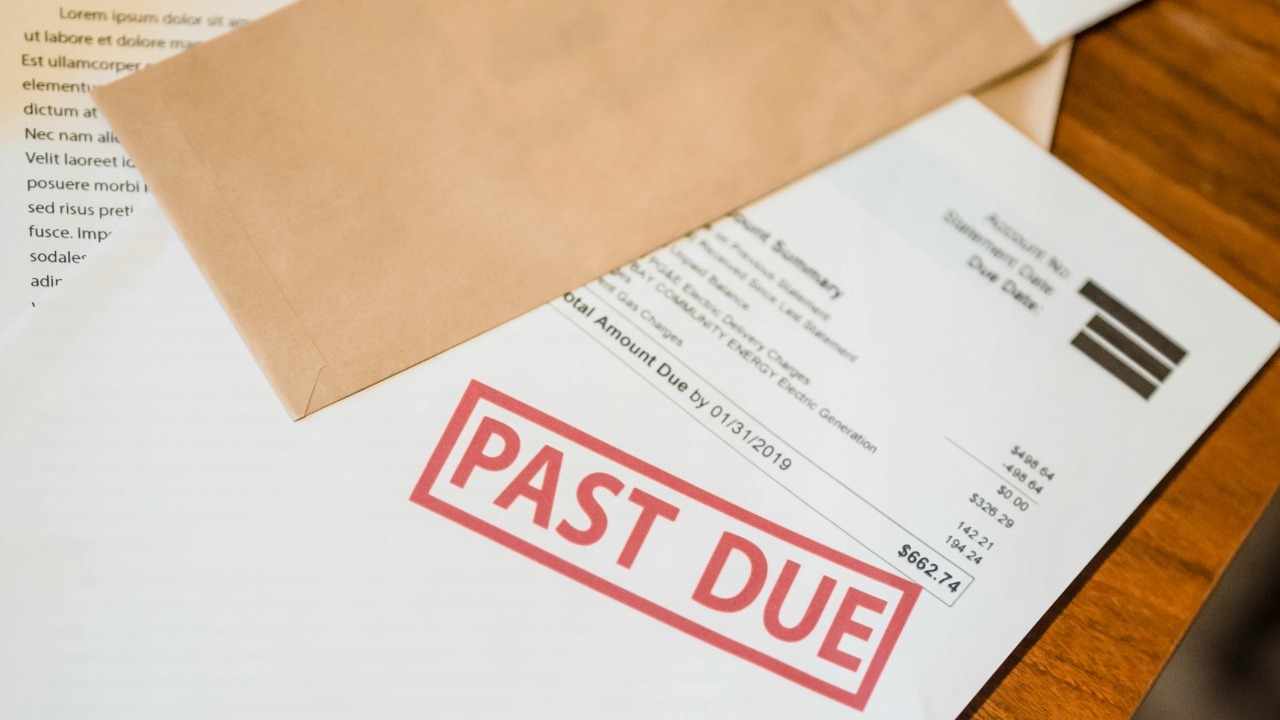
Late fees on bills and credit cards are avoidable expenses that can accumulate into a significant financial burden. These charges are often the result of forgetfulness or a lack of organization, rather than an inability to pay.
Setting up automatic payments or reminders can help ensure bills are paid on time, preventing these unnecessary costs. Additionally, reviewing statements regularly can help identify any discrepancies or opportunities to save on recurring expenses.
Expensive Credit Options
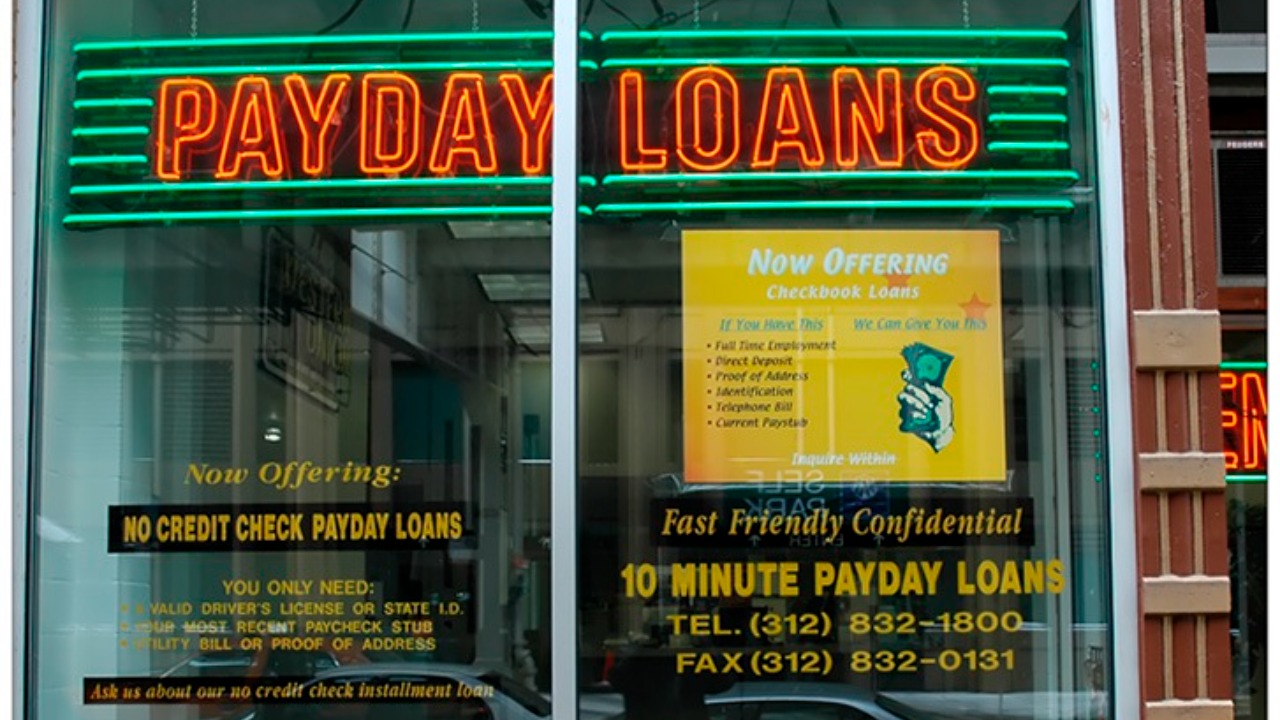
Relying on high-interest credit cards or payday loans can create a vicious cycle of debt. These expensive credit options often lead to paying significantly more than the original purchase price over time.
Exploring alternative financing, like personal loans with lower interest rates, or prioritizing paying down high-interest debt can lead to long-term financial stability. It’s crucial to understand the terms of any financial product before committing to it.
Unused Subscriptions
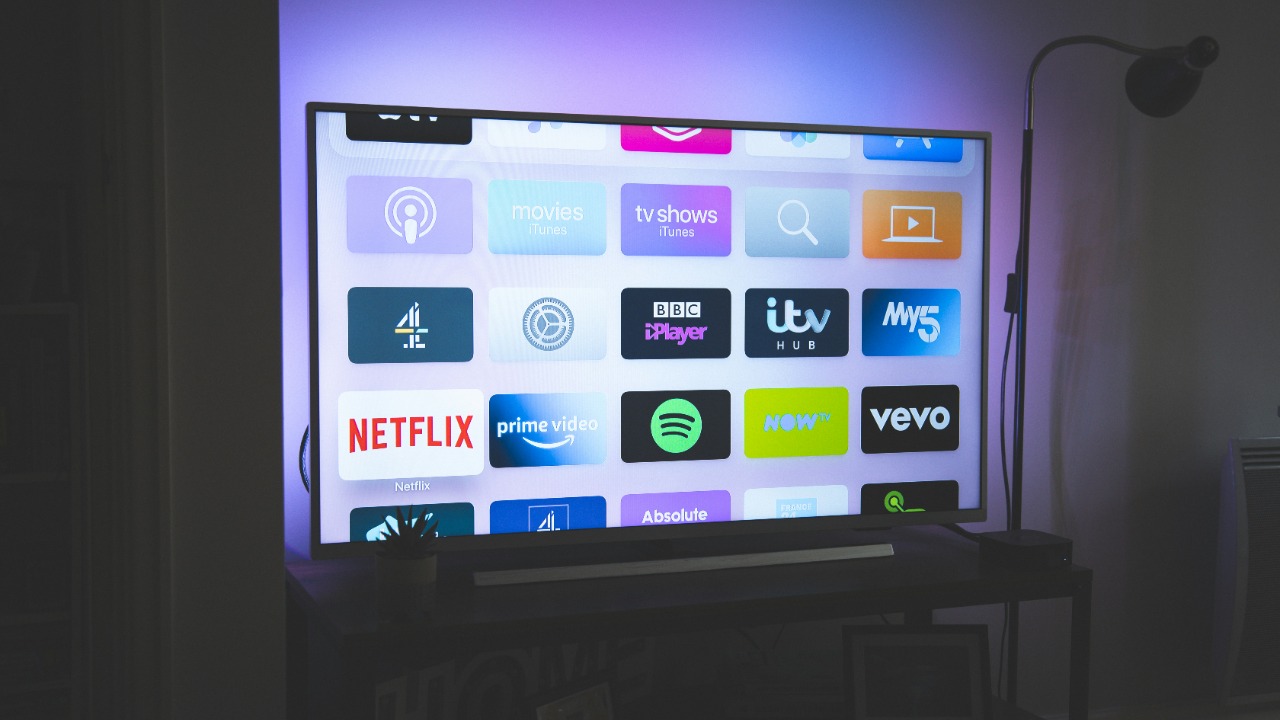
Monthly subscriptions for streaming services, gyms, or apps can quietly drain bank accounts if not utilized. It’s easy to sign up for a free trial and forget to cancel before it converts to a paid subscription.
Conducting a regular audit of subscriptions and cancelling those that are not being used can help preserve cash flow. Many services offer flexible plans that can be adjusted as needs change, ensuring that money is only spent on valuable services.
Branded Products Over Generics

Purchasing well-known brands instead of generic products often results in paying a premium for similar quality. Whether it’s food, medicine, or clothing, generic brands can offer significant savings without sacrificing quality.
Comparing product labels and trying out different brands can reveal that many generics are just as effective as their branded counterparts. By opting for generic options, it’s possible to stretch a budget further without compromising on essentials.

Cole Whitaker focuses on the fundamentals of money management, helping readers make smarter decisions around income, spending, saving, and long-term financial stability. His writing emphasizes clarity, discipline, and practical systems that work in real life. At The Daily Overview, Cole breaks down personal finance topics into straightforward guidance readers can apply immediately.