Some upgrades genuinely improve daily life and pay off when it is time to sell, but others quietly drain savings without delivering much in return. I look at eight popular “life upgrades” that sound impressive yet rarely justify their price tag, especially when compared with practical improvements that experts consistently rank as worth the money.
1) Building an In-Ground Swimming Pool
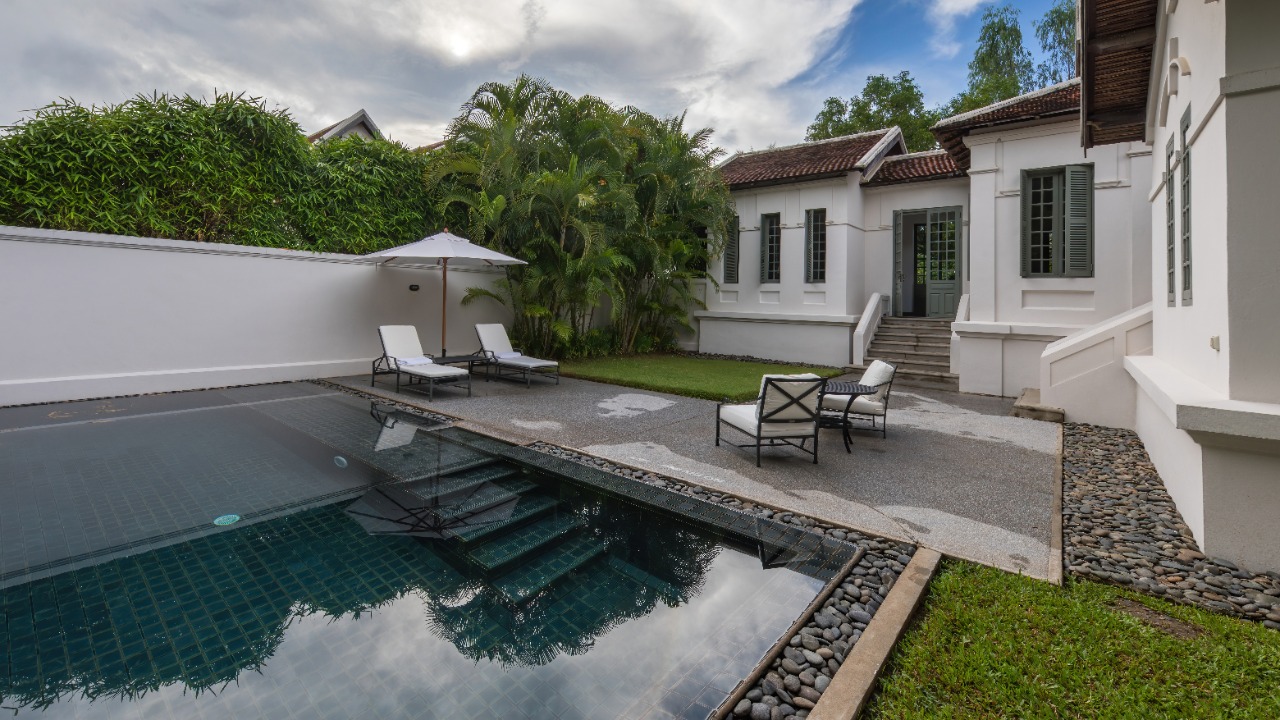
Building an in-ground swimming pool often costs well over $50,000 once excavation, permits, fencing, and decking are included, yet it typically adds only a fraction of that to resale value. By contrast, practical projects like the must-have home upgrades that focus on core systems and livability are repeatedly cited as smarter uses of capital. A pool also brings ongoing expenses for chemicals, heating, and insurance, which can scare off buyers who see it as a maintenance obligation rather than a luxury.
From a lifestyle perspective, a pool can be fantastic for a few months a year, but the rest of the time it is a liability that needs cleaning and repairs. In many markets, families with small children or older buyers actively avoid homes with pools, which limits demand and undercuts any theoretical return. I find that unless someone is certain they will stay put for years and truly use it, the math rarely works in favor of digging a hole in the yard.
2) Installing a Dedicated Home Gym
Installing a dedicated home gym, especially one that takes over a full room, often requires structural tweaks, rubber flooring, mirrors, and high-end machines that can easily total tens of thousands of dollars. Guides to must-have home upgrades tend to prioritize outdoor decks and functional improvements instead, because they appeal to a broader pool of buyers. A room filled with specialized equipment is highly personal, and many house hunters mentally subtract the cost of removing or repurposing it.
There are more modest ways to get the same fitness benefits. Videos on home gym upgrades emphasize low-cost tweaks that do not require permanent construction, such as better storage or a few versatile pieces of gear. From a financial standpoint, portable equipment that can move with you is far less risky than a built-in gym that may be seen as wasted square footage by the next owner.
3) Adding a Sunroom Extension
Adding a sunroom extension often starts around $20,000 and can climb much higher once foundations, HVAC tie-ins, and energy-efficient glass are factored in. Unlike the practical projects highlighted among home upgrades that actually make sense, a sunroom is a niche feature that not every buyer wants or will pay a premium for. In colder climates, heating and cooling that glass-heavy space can also inflate utility bills, turning a “light-filled retreat” into an ongoing cost center.
From a resale perspective, appraisers may not count a sunroom as full living space if it is not conditioned to the same standard as the rest of the house. That means the square footage you think you are adding might not show up in the listing data that drives pricing. I see many homeowners surprised to learn that a sunroom they love personally delivers only a modest bump in valuation, if any, compared with simpler improvements like better insulation or updated windows.
4) Overhauling Landscaping with Exotic Features
Overhauling landscaping with exotic plants, elaborate water features, and custom stonework can easily top $15,000, yet the visual impact often fades as maintenance slips. Reporting on how Adding outdoor upgrades can disappoint warns that high-cost landscaping rarely returns its full price when it is time to sell. Buyers may see koi ponds, intricate irrigation, or tropical plantings as chores, not perks, especially in regions where they are not suited to the climate.
There is also a risk that highly stylized yards clash with neighborhood norms, which can actually narrow your buyer pool. Simpler, region-appropriate plantings and a clean lawn are easier to maintain and often more appealing. When I compare the outlay for exotic landscaping to the modest bump in curb appeal, it usually looks like a vanity project rather than a true life upgrade.
5) Customizing a Kitchen for Personal Taste
Customizing a kitchen around very specific tastes, from bold color schemes to ultra-specialized appliances, can push remodels well past $30,000. Videos that break down home upgrades that are and are not worth the money note that some projects can reach a 217% ROI, but those tend to be broadly appealing improvements, not hyper-personalized designs. When a kitchen is tailored to one person’s preferences, future buyers often mentally budget for a second remodel, which drags down what they are willing to pay.
High-end ranges, built-in espresso stations, or open shelving everywhere might delight a serious home cook, yet they can overwhelm someone who just wants a practical, easy-to-clean space. I find that neutral finishes, durable countertops, and quality cabinets usually deliver better value than trend-driven choices that age quickly. The more idiosyncratic the kitchen, the more likely it is that you are spending for your own enjoyment rather than any meaningful financial return.
6) Converting a Garage into Living Space
Converting a garage into living space can look like an easy way to add a bedroom or office, but the costs add up quickly. One guide to garage remodels reports that turning a garage into a living area averages $16,500, and notes that high-end versions highlighted by HGTV can cost far more. On top of that, you lose secure parking and storage, which many buyers consider essential, especially in areas with harsh weather.
Because the structure was not originally designed as living space, you may need insulation, new wiring, plumbing, and upgraded foundations to meet code. Appraisers and buyers sometimes discount converted garages if they feel “tacked on” or inferior to the rest of the house. In my view, unless street parking is abundant and local buyers do not value garages, this upgrade often trades a universally useful feature for a questionable bonus room.
7) Adding Built-In Entertainment Systems
Adding built-in entertainment systems with in-wall speakers, custom cabinetry, and hardwired controls can easily cross the $10,000 mark. Yet technology evolves so quickly that these systems risk feeling dated within a few years, especially compared with flexible streaming setups. By contrast, buyers in surveys of home upgrades worth every dollar often prioritize features like better lighting or storage that do not become obsolete when the next HDMI standard arrives.
Once walls are opened and wiring is run, changing or expanding the system later can be messy and expensive. Many homeowners now prefer wireless speakers and compact soundbars that can move with them, which undercuts the appeal of a fixed, room-dominating installation. I see built-in media walls as a classic example of spending heavily on tech that will age faster than the mortgage.
8) Upgrading from Samsung Galaxy Watch 7 to Watch 8
Upgrading from a Samsung Galaxy Watch 7 to a Samsung Galaxy Watch 8 means paying about $100 more for the newer model, a premium that invites scrutiny. A detailed comparison of the Galaxy Watch 8 vs. Watch 7 questions whether incremental changes in sensors, software, and battery life justify that extra cost for most users. For many people, the core experience of notifications, fitness tracking, and basic apps remains similar enough that the upgrade feels marginal.
Wearables also depreciate quickly as new generations arrive, so paying a premium for small gains can become a yearly habit that quietly erodes savings. If your Watch 7 still holds a charge and runs the apps you rely on, the rational move is often to wait for a more substantial leap. I see this as a textbook “life upgrade” that sounds appealing in marketing but rarely changes day-to-day life enough to be worth the extra $100.
More From TheDailyOverview
- Tennessee loses $2.6B megafactory and faces major layoffs
- Retired But Want To Work? Try These 18 Jobs for Seniors That Pay Weekly
- What to do with your pennies after the U.S. stops minting them
- Home Depot CEO warns of a troubling customer trend in stores

Cole Whitaker focuses on the fundamentals of money management, helping readers make smarter decisions around income, spending, saving, and long-term financial stability. His writing emphasizes clarity, discipline, and practical systems that work in real life. At The Daily Overview, Cole breaks down personal finance topics into straightforward guidance readers can apply immediately.