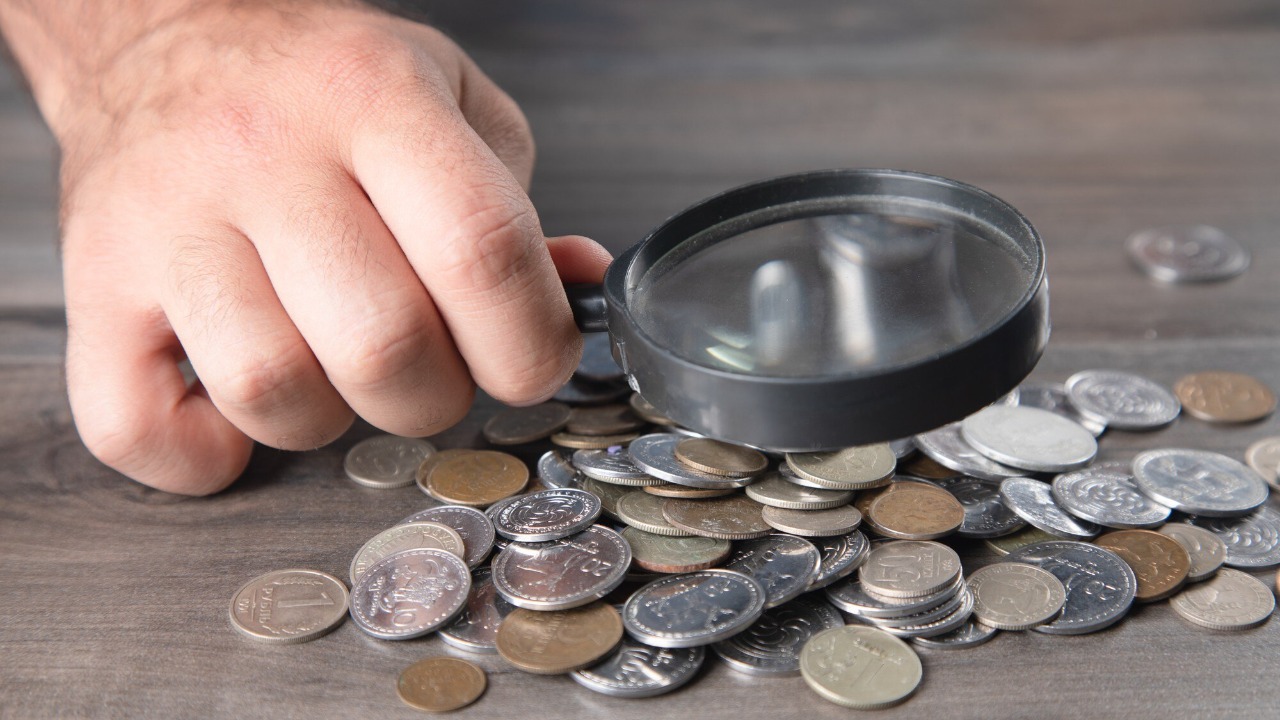
Rare coins worth thousands really do slip through everyday wallets, so it pays to check your change before spending it. I focus here on specific dates, mint marks and errors that experts flag as especially valuable, along with simple ways to spot them. With a few habits and a basic understanding of what collectors want, anyone can turn a handful of coins into a quick screening for hidden windfalls.
1) 1943 Lincoln Head Copper Penny
The 1943 Lincoln Head Copper Penny is the classic example of a coin that looks ordinary but can be worth a fortune. During World War II, the Mint switched cents to steel, yet a tiny number of bronze planchets were used by mistake, creating the famous Lincoln Head Copper Penny that collectors chase. One guide to valuable pocket change lists the 1943 Lincoln Head Copper Penny among the most desirable finds, underscoring how a single cent can be life changing.
Another roundup of coins worth money highlights this same 1943 issue, reinforcing its status as a top-tier rarity. For everyday holders, the stakes are simple: if a 1943 penny in your change sticks to a magnet, it is steel and common, but if it does not, professional authentication is essential before you spend it for a single cent.
2) 1955 Double Die Penny
The 1955 Double Die Penny is another small coin with big value, thanks to a dramatic minting error. On genuine examples, the date and lettering on the obverse show strong doubling that is visible without magnification, which is why collectors prize this Double Die Penny alongside other standout Lincoln cents. Lists of coins to look for in household stashes consistently mention it as a piece that can sell for thousands in high grade.
Guides to identifying rare change stress that you should always Check the Date and Mint Mark, and the 1955 Double Die Penny shows why that habit matters. A quick glance at the date on any 1950s cent can reveal the bold doubling that separates a common coin from a major error, so the upside for careful shoppers and cashiers is significant.
3) 1964-D Roosevelt Dime in pristine condition
The 1964-D Roosevelt Dime is a workhorse coin, but in pristine, uncirculated condition it can be worth far more than face value. A widely cited list of eight standout pieces notes that a top-grade 1964-D Roosevelt Dime has sold for $920, provided the coin is essentially flawless. That kind of price for a ten-cent piece shows how condition, not just rarity, drives value.
Collectors also care that 1964 was the final year for 90 percent silver dimes, which adds bullion appeal to the best-preserved examples. For anyone sorting change, spotting a bright, sharp 1964-D Roosevelt Dime with full details is a cue to set it aside, since the difference between a worn coin and a high-end survivor can mean hundreds of dollars.
4) Pre-1965 silver Dimes, quarters and halves
Pre-1965 silver coins are a quiet treasure in circulation, especially for people who handle a lot of cash. One popular checklist for pocket change points out that Dimes, quarters and halves minted 1964 and earlier are 90% silver, which gives them intrinsic metal value above face. That means even heavily worn examples can be worth several times their denomination based solely on silver content.
Another community guide to which Quarters and Dimes to keep emphasizes the same cutoff, steering beginners toward these older issues as an easy starting point. For everyday spenders, the implication is clear: checking dates on small change can quietly build a stash of silver that tracks bullion prices instead of staying locked at face value.
5) 1969-S Lincoln Cent With Doubled Die Obverse
The 1969-S Lincoln Cent With Doubled Die Obverse is one of the most dramatic modern penny errors still occasionally found in rolls. Detailed coverage of valuable pocket change notes that this Lincoln Cent With a Doubled Die Obverse can reach five-figure prices in top condition, thanks to bold doubling on the inscriptions. The fact that one example surfaced in a routine roll search underscores how these coins can lurk in everyday channels.
Guides on What Should I Look For? stress that such errors can fetch considerable prices when authenticated. For anyone who regularly feeds coins into self-checkout or coin-counting machines, taking a moment to scan 1960s and 1970s cents for obvious doubling can be a low-effort way to avoid accidentally discarding a coin worth thousands.
6) 1943 Bronze Lincoln Cent mint error
The 1943 Bronze Lincoln Cent is a specific mint error that blends history and scarcity. A detailed rundown of Mint Error Coins explains that During World War II, cents were supposed to be struck on zinc-coated steel, yet a few bronze planchets were used, creating this ultra-rare issue. Because so few were made, each authenticated example commands a strong premium from advanced collectors.
Another guide to List of Valuable Coin Errors to Watch For reinforces that major composition mistakes like this sit at the top of the market. For ordinary holders, the stakes are high: a 1943 cent that looks brown instead of gray deserves professional testing, since confusing it with a common steel coin could mean spending a piece worth tens of thousands.
7) Rare Presidential dollar coins
Presidential dollar coins are often dismissed as novelty pieces, yet certain errors and varieties can be extremely valuable. Reporting on modern dollar issues notes that some 2007 Presidential Dollar Coins with major mistakes have been appraised at up to $141K, depending on condition and specific error type. These include missing edge lettering and other striking problems that are obvious once you know to look.
Broader coverage of how Rare modern coins can outperform face value shows that even relatively recent dollar pieces can be sleepers. For people who receive dollar coins in change from transit systems or vending machines, checking the edge inscriptions and overall sharpness can prevent accidentally spending a coin that specialists would pay thousands to own.
8) Morgan silver dollars hiding in drawers
Morgan silver dollars are a staple of American coin collecting, and even common dates can be worth more than their face value. A detailed selling guide notes that Yes, Morgan silver dollars are absolutely worth something, with Common circulated examples often selling for around $50 depending on date and condition. Scarcer dates and mint marks can climb into the hundreds or even thousands.
Advice on turning Rare coins into a side income highlights Morgan dollars as a prime candidate, since many families still have them tucked away in boxes or inherited collections. For anyone cleaning out an estate or old safe, checking for these large, silver-rich dollars before hauling coins to a bank can prevent a costly oversight.
More From TheDailyOverview

Cole Whitaker focuses on the fundamentals of money management, helping readers make smarter decisions around income, spending, saving, and long-term financial stability. His writing emphasizes clarity, discipline, and practical systems that work in real life. At The Daily Overview, Cole breaks down personal finance topics into straightforward guidance readers can apply immediately.

