
Reaching the upper-middle class is a significant milestone that reflects both financial stability and a certain lifestyle. While there is no simple checklist, several indicators can help identify whether you’ve transitioned into this socioeconomic tier. Here are eight key signs that suggest you have made it to the upper-middle class.
Home Ownership in a Desirable Neighborhood
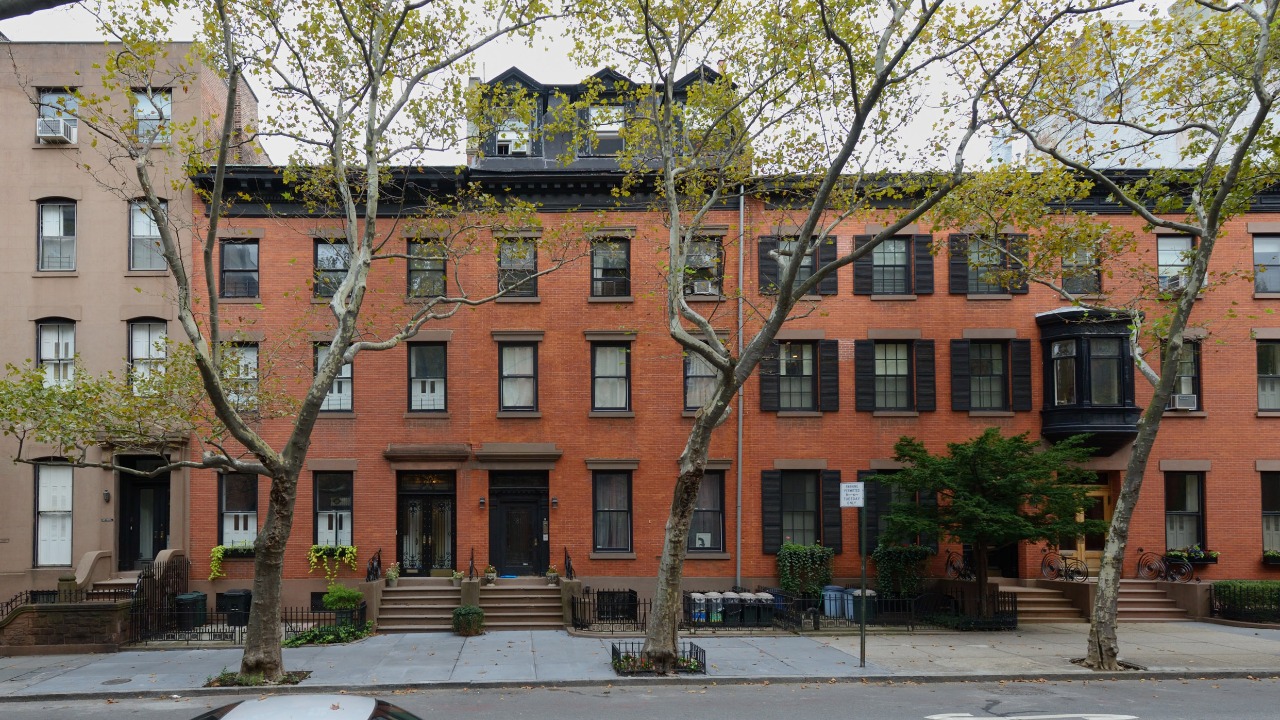
Owning a home in a sought-after neighborhood is often one of the clearest indicators that you’ve reached the upper-middle class. These areas typically offer quality public amenities, such as parks and schools, and are located within a reasonable commuting distance to urban centers. For instance, living in areas like Brooklyn Heights in New York or Palo Alto in California can be a sign of your elevated financial status.
These neighborhoods are not just about the prestige; they offer a quality of life that is attractive to those who have the means to afford it. If you’ve made a home purchase in such a place, it’s likely a sign of both financial acumen and achievement.
Comprehensive Health and Retirement Benefits

One of the hallmarks of the upper-middle class is having access to comprehensive health and retirement benefits. This often comes with employment at a company that offers robust benefits packages, including health insurance with low deductibles, dental and vision coverage, and employer-matched retirement plans like a 401(k).
If you find yourself with the luxury of not having to worry about medical bills or your financial future after retirement, it’s a strong indicator of your upper-middle-class status. These benefits provide peace of mind and allow for a more comfortable lifestyle.
Regular International Travel

Being able to travel internationally on a regular basis is another signifier of upper-middle-class status. This goes beyond the occasional vacation; we’re talking about the ability to explore different cultures and countries multiple times a year without financial strain.
Whether it’s a summer getaway to Europe, a winter escape to the Caribbean, or an adventurous trip to Asia, frequent international travel often reflects both disposable income and a flexible schedule. This lifestyle choice is a privilege that not everyone can afford.
Private School or College Fund for Children

If you’re able to send your children to private schools or have a substantial college fund set aside, it’s a clear indicator of your financial status. Educational investment is a priority for many in the upper-middle class, as it reflects both the financial capability and the value placed on high-quality education.
These educational choices often require significant financial resources but are seen as an investment in your children’s future, granting them opportunities that might not be available through public education alone.
High-End Consumer Goods and Technology

Owning high-end consumer goods and the latest technology can also signal your position in the upper-middle class. This includes owning luxury or electric vehicles like a Tesla Model S, outfitting your home with smart devices like the latest iPhone or Samsung Galaxy, and enjoying premium brands across various categories.
These purchases are not merely about status; they often offer enhanced functionality and quality, making them appealing to those who can afford them. If these items are a regular part of your lifestyle, it signifies a level of financial comfort and preference for quality.
Investment in Stocks or Real Estate

Engaging in investments, whether in the stock market or real estate, is a definitive step toward securing your financial future and a common characteristic of the upper-middle class. This includes owning rental properties, investing in mutual funds, or having a diversified stock portfolio.
These investments not only help in wealth accumulation but also in maintaining financial stability. If you’re actively involved in these markets, it shows both financial literacy and the ability to take calculated risks for future gains.
Memberships in Exclusive Clubs or Organizations

Being a member of exclusive clubs or organizations, such as country clubs, professional networks, or cultural societies, is often associated with the upper-middle class. These memberships provide networking opportunities, social status, and access to exclusive amenities and events.
While these memberships come with their own costs, they offer a sense of community and belonging among peers who share similar values and financial standing. Participation in such groups often requires both financial means and a desire for social engagement.
Ability to Save and Plan for the Future

Finally, the ability to save consistently and plan for future expenses, such as retirement or children’s education, is a strong indicator of upper-middle-class status. This involves having a clear financial plan, setting aside emergency funds, and making strategic investments.
Being in a position to save and plan effectively indicates not just current financial health, but also foresight and discipline in managing your finances. If you’re able to do this without sacrificing your current lifestyle, it’s a strong sign that you’ve reached this socioeconomic tier.

Cole Whitaker focuses on the fundamentals of money management, helping readers make smarter decisions around income, spending, saving, and long-term financial stability. His writing emphasizes clarity, discipline, and practical systems that work in real life. At The Daily Overview, Cole breaks down personal finance topics into straightforward guidance readers can apply immediately.