
Deciding whether to pay off your mortgage before retiring can be a complex decision influenced by various financial factors. While paying off a mortgage is often seen as a prudent move, there are specific scenarios where it might not be the best choice. Understanding these exceptions can help ensure a balanced financial strategy as you approach retirement.
1. When Your Mortgage Rate Is Lower Than Investment Returns

One of the key considerations in deciding whether to pay off your mortgage before retirement is the comparison between your mortgage interest rate and potential investment returns. According to a Wall Street Journal article, while paying off a mortgage is usually advisable, exceptions exist when alternative investments offer higher returns. In such cases, maintaining liquidity for investment growth might be more beneficial than eliminating mortgage debt.
Investors often seek opportunities where their money can grow at a rate higher than their current liabilities. If your mortgage interest rate is significantly lower than the returns you could achieve through investments in stocks, bonds, or other financial instruments, it might be more advantageous to allocate funds towards these investments. This strategy allows you to leverage the low cost of borrowing against the potential for higher returns, thereby enhancing your overall financial position. The Wall Street Journal highlights that in such scenarios, the opportunity cost of paying off a low-interest mortgage could outweigh the benefits, especially if your investment portfolio is performing well.
2. If Paying Off Depletes Your Emergency Fund

Maintaining an emergency fund is crucial, especially as you approach retirement. The AARP highlights the importance of securing cash reserves before retiring. Depleting your emergency fund to pay off a mortgage can leave you financially vulnerable, a scenario that financial expert Dave Ramsey warns against with his advice to avoid aggressive payoff methods that compromise financial stability.
Emergency funds serve as a financial safety net, providing liquidity in unexpected situations such as medical emergencies, home repairs, or sudden job loss. The AARP underscores the importance of having a robust emergency fund, particularly as you transition into retirement when income may become more fixed. Utilizing these funds to pay off a mortgage could leave you exposed to financial risks, as it diminishes your ability to respond to unforeseen expenses. Maintaining a healthy emergency fund ensures that you have the flexibility to manage life’s uncertainties without compromising your financial stability.
3. When High-Interest Debts Remain Unpaid

Prioritizing debt repayment is essential, and high-interest debts should take precedence over mortgage payoff. The AARP suggests focusing on other debts first, aligning with Dave Ramsey’s advice to pay off your mortgage but not at the expense of leaving higher-interest obligations unpaid. This strategy ensures that you manage your debts effectively and avoid unnecessary financial strain.
High-interest debts, such as credit card balances or personal loans, can quickly accumulate and become financially burdensome. Prioritizing the repayment of these debts over a low-interest mortgage is a strategic move that can save you money in the long run. The AARP and financial advisors like Dave Ramsey advocate for tackling high-interest obligations first, as they typically incur more significant costs over time. By focusing on these debts, you can reduce your overall interest payments and improve your financial health, making it easier to manage your mortgage and other financial commitments.
4. To Maintain Tax Deductions in Retirement

Tax planning is a critical aspect of retirement preparation. Keeping a mortgage can provide valuable tax deductions, as noted by the AARP. The mortgage interest deduction can reduce your taxable income, offering financial benefits that might outweigh the advantages of paying off the mortgage entirely. This aligns with the Wall Street Journal’s indication that there are exceptions to the usual advice of paying off a mortgage.
For many retirees, tax efficiency is a crucial component of financial planning. The mortgage interest deduction can be a valuable tool in reducing taxable income, thereby lowering your overall tax liability. This deduction can be particularly beneficial if you have other sources of taxable income in retirement, such as pensions or part-time work. The AARP notes that retaining a mortgage for its tax benefits can be a strategic decision, especially if it aligns with your broader financial goals. By carefully considering the tax implications, you can optimize your retirement income and maintain financial flexibility.
5. During Periods of High Inflation

In times of high inflation, maintaining a mortgage can be advantageous. Fixed mortgage payments become less burdensome as inflation erodes the value of money. The Wall Street Journal suggests that during such periods, it might be wiser to keep the mortgage and benefit from the reduced real cost of payments, rather than rushing to pay it off.
Inflation can erode the purchasing power of money, but it can also reduce the real cost of fixed-rate debt. During periods of high inflation, the relative cost of mortgage payments decreases, making it less financially burdensome to maintain the debt. The Wall Street Journal suggests that in such economic climates, it might be more prudent to keep the mortgage and allocate funds towards investments that can outpace inflation. This approach allows you to preserve capital and potentially benefit from inflation-driven asset appreciation, thereby strengthening your financial position.
6. If It Limits Portfolio Diversification
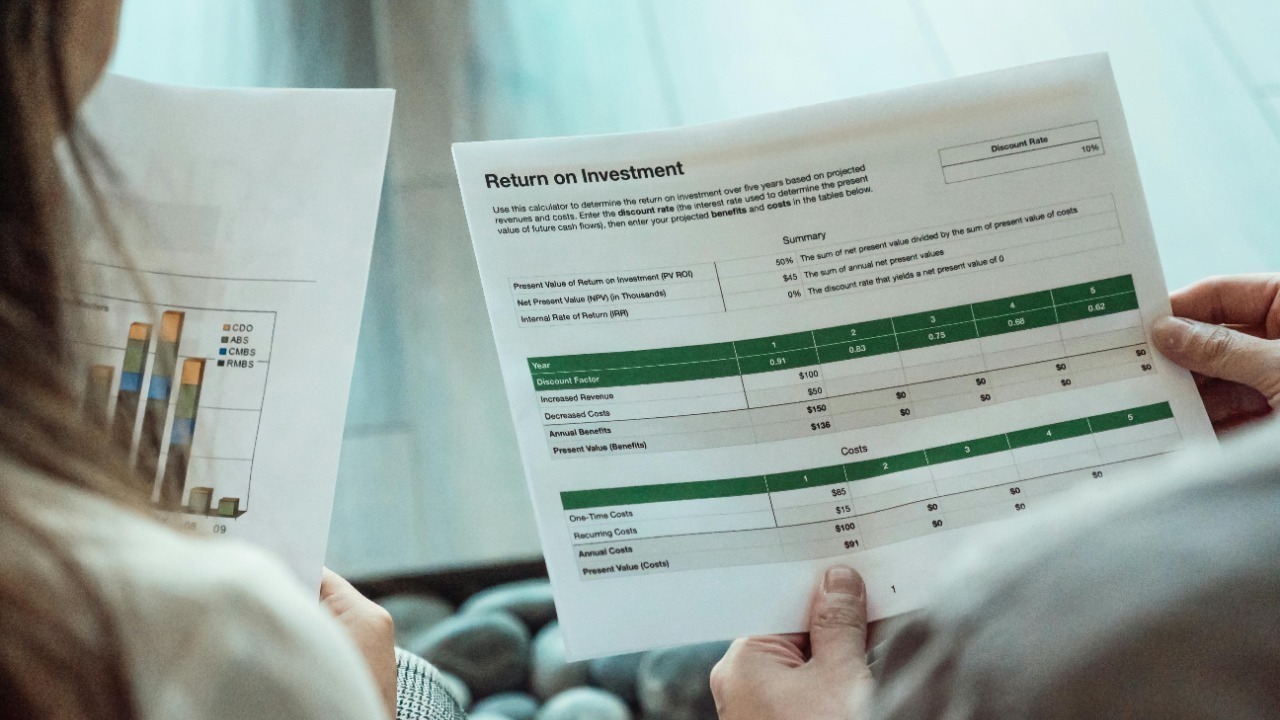
Investment diversification is a key strategy for financial growth and stability. The AARP emphasizes the importance of maintaining a diversified portfolio, and paying off a mortgage prematurely can limit your ability to invest in other assets. Dave Ramsey’s caution against over-concentrating in home equity supports this view, as it can hinder your overall financial strategy.
Diversification is a fundamental principle of investment strategy, aimed at minimizing risk and maximizing returns. Paying off a mortgage prematurely can concentrate too much of your wealth in home equity, limiting your ability to invest in a diverse range of assets. The AARP advises maintaining a balanced portfolio that includes stocks, bonds, and other investment vehicles to ensure financial resilience. By keeping your mortgage and investing in a diversified portfolio, you can achieve a more stable and potentially lucrative financial outcome, as supported by Dave Ramsey’s emphasis on avoiding over-concentration in any single asset.
7. When You Need Funds for Healthcare Costs

Healthcare costs can be significant in retirement, and having accessible funds to cover these expenses is crucial. The AARP advises preparing for healthcare needs, and using funds to pay off a mortgage might leave you short on liquidity for medical expenses. The Wall Street Journal notes that while paying off a mortgage is usually beneficial, it should not come at the expense of financial readiness for healthcare.
Healthcare expenses can be unpredictable and substantial, particularly in retirement. Ensuring you have adequate funds to cover these costs is essential for maintaining your quality of life. The AARP advises against using funds earmarked for healthcare to pay off a mortgage, as this could jeopardize your ability to afford necessary medical care. By preserving liquidity for healthcare needs, you can avoid financial stress and ensure that you have the resources to address any medical issues that arise, aligning with the Wall Street Journal’s caution against compromising financial readiness for healthcare.
8. To Avoid Raiding Retirement Accounts Prematurely

Withdrawing from retirement accounts prematurely to pay off a mortgage can have long-term financial consequences. The AARP’s guidance on balanced withdrawal planning aligns with Dave Ramsey’s warning against aggressive payoff methods. Ensuring that your retirement accounts remain intact is essential for sustaining your financial health throughout retirement.
Retirement accounts are designed to provide financial security in your later years, and withdrawing from them prematurely can have significant tax implications and reduce your future income. The AARP and financial experts like Dave Ramsey emphasize the importance of preserving these accounts to ensure long-term financial stability. By avoiding early withdrawals to pay off a mortgage, you can maintain the growth potential of your retirement savings and ensure that you have sufficient funds to support your lifestyle throughout retirement. This approach helps safeguard your financial future and provides peace of mind as you navigate your retirement years.

Elias Broderick specializes in residential and commercial real estate, with a focus on market cycles, property fundamentals, and investment strategy. His writing translates complex housing and development trends into clear insights for both new and experienced investors. At The Daily Overview, Elias explores how real estate fits into long-term wealth planning.

