
Social Security benefits are a crucial part of financial planning for many Americans, but not everyone qualifies to receive them. Understanding the eligibility criteria is essential to avoid surprises when planning for retirement or other financial needs. Here are eight types of people who may find themselves ineligible for Social Security benefits.
1. Individuals Without Sufficient Work Credits

To qualify for Social Security benefits, individuals must accumulate a certain number of work credits. These credits are earned through employment and paying Social Security taxes. Typically, a person needs 40 credits, equivalent to about 10 years of work, to be eligible for retirement benefits. However, the exact number of credits required can vary depending on the specific type of benefit and the individual’s age. Without these credits, individuals cannot claim Social Security benefits, which underscores the importance of consistent employment and tax contributions throughout one’s career. For more details, you can refer to the Nasdaq article.
Work credits are a fundamental aspect of the Social Security system, designed to ensure that benefits are distributed to those who have contributed to the system over time. The number of credits required can vary for different types of benefits. For instance, disability benefits might require fewer credits, depending on the age at which the disability occurs. Younger workers may qualify with fewer credits, reflecting their shorter work history. It’s crucial for individuals to track their earnings and credits through their Social Security statements, which can be accessed online. This proactive approach helps in planning for retirement and ensures that individuals are aware of their standing regarding eligibility for future benefits.
2. Certain Noncitizens

Noncitizens may face additional hurdles when it comes to qualifying for Social Security benefits. Generally, noncitizens must meet specific residency and work requirements to be eligible. This often includes having a valid Social Security number and having worked in the United States for a certain period. Additionally, some noncitizens may qualify through international agreements known as totalization agreements, which coordinate Social Security protection across countries. However, those who do not meet these criteria may find themselves ineligible for benefits.
Noncitizens who wish to qualify for Social Security benefits must navigate a complex set of rules. In addition to residency and work requirements, they must also consider the impact of their immigration status. For example, lawful permanent residents who have worked in the U.S. for a sufficient number of years and paid Social Security taxes are generally eligible. However, temporary visa holders, such as students or temporary workers, typically do not qualify unless they transition to a status that allows for long-term residency and work. Understanding these nuances is essential for noncitizens planning their financial futures in the United States.
3. People with Specific Legal Restrictions
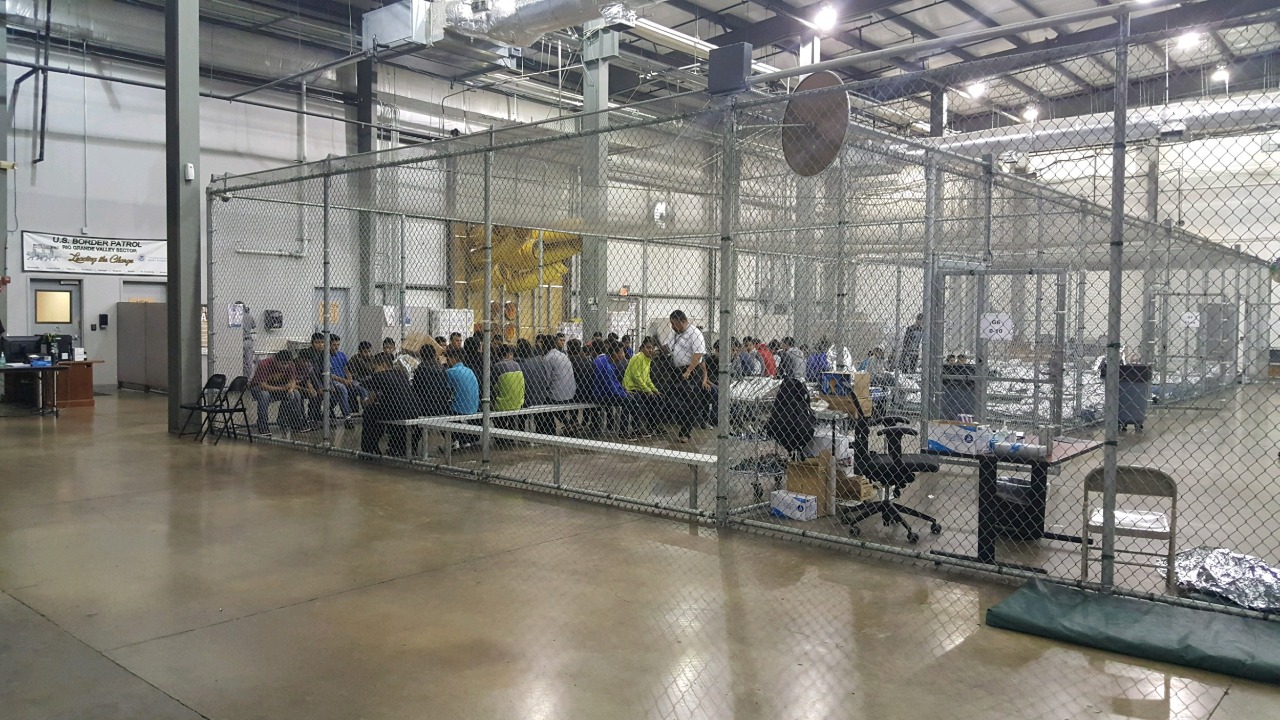
Individuals with certain legal restrictions, such as those who are incarcerated, may not receive Social Security benefits during their period of confinement. The Social Security Administration suspends benefits for individuals who are imprisoned for more than 30 consecutive days. This policy is based on the premise that incarcerated individuals have their basic needs met by the prison system, thus reducing the need for Social Security support. However, benefits can be reinstated upon release, provided the individual meets all other eligibility criteria.
Beyond incarceration, other legal restrictions can affect Social Security eligibility. For instance, individuals who have been deported or removed from the United States may lose their benefits. Additionally, those with outstanding warrants for certain crimes may also face suspension of benefits. It’s important for individuals in these situations to understand the legal implications and potential pathways to reinstating benefits, such as resolving legal issues or returning to the U.S. under lawful circumstances. Legal assistance may be necessary to navigate these challenges effectively.
4. Children Who Do Not Meet Dependency Criteria

Children may qualify for Social Security dependent benefits if they meet specific dependency criteria. These benefits are typically available to children of retired, deceased, or disabled workers. To qualify, the child must be unmarried and under the age of 18, or up to age 19 if still attending high school. In some cases, benefits may also be available to older children who are disabled. However, children who do not meet these criteria will not be eligible for dependent benefits. For a comprehensive guide, see the Investopedia article.
In addition to age and marital status, the eligibility of children for dependent benefits can be influenced by their relationship to the worker. Biological, adopted, and in some cases, stepchildren may qualify, provided they meet the dependency criteria. Furthermore, children who are disabled before age 22 may continue to receive benefits as long as they remain disabled and dependent. It’s also important to note that grandchildren may qualify if they are dependent on the grandparent for at least half of their support. These provisions ensure that the benefits system supports children who rely on a worker’s income for their well-being.
5. Individuals Over 100 Without Regular Updates

Individuals over the age of 100 may face unique challenges in maintaining their Social Security benefits. The Social Security Administration requires regular updates to ensure that beneficiaries are still eligible to receive payments. If these updates are not provided, benefits may be suspended. This requirement is in place to prevent fraud and ensure that benefits are only paid to those who are still alive and eligible. For more information on this topic, refer to the Newsweek article.
The requirement for regular updates from centenarians is part of the Social Security Administration’s efforts to maintain accurate records and prevent fraud. These updates typically involve verifying the beneficiary’s identity and confirming their continued eligibility. The process may include submitting proof of life, such as a signed statement or verification from a third party. While this may seem burdensome, it is a critical step in safeguarding the integrity of the Social Security system and ensuring that funds are directed to those who genuinely qualify. Family members and caregivers can assist elderly beneficiaries in fulfilling these requirements to avoid disruptions in benefit payments.
6. Individuals Receiving Certain Government Pensions

Some individuals who receive government pensions may find their Social Security benefits reduced or eliminated due to the Windfall Elimination Provision (WEP). This provision affects those who have worked in jobs not covered by Social Security, such as certain state or local government positions, and also qualify for a pension from that work. The WEP reduces the Social Security benefits of these individuals to prevent what is perceived as a “windfall” from receiving both a government pension and full Social Security benefits.
The Windfall Elimination Provision (WEP) is a significant factor for individuals who have worked in jobs not covered by Social Security. This provision aims to adjust the Social Security benefits of those who receive pensions from non-covered employment, such as certain federal, state, or local government jobs. The WEP formula reduces the Social Security benefit amount, which can significantly impact retirement planning. Individuals affected by WEP should explore their options, such as increasing their covered employment years or understanding how the provision specifically applies to their situation. Awareness and planning are key to mitigating the financial impact of WEP on retirement income.
7. People Who Fail to Apply for Benefits

One of the most straightforward reasons individuals may not receive Social Security benefits is failing to apply for them. The Social Security Administration requires individuals to actively apply for benefits; they are not automatically granted. This means that eligible individuals must submit an application and provide the necessary documentation to receive benefits. Failing to do so results in ineligibility, regardless of whether the individual meets all other criteria. For more information, visit the Social Security Administration blog.
Applying for Social Security benefits involves more than just submitting a form; it requires gathering and providing comprehensive documentation. This includes proof of age, identity, and work history, as well as any relevant medical records for disability claims. The application process can be complex, and individuals are encouraged to seek assistance from Social Security representatives or financial advisors to ensure all necessary information is provided. Timely application is crucial, as benefits are not retroactive beyond a certain point, meaning delays can result in lost income. Understanding the application process and requirements is essential for securing the benefits one is entitled to.
8. Certain Individuals with Disabilities

Not all individuals with disabilities qualify for Social Security Disability Insurance (SSDI). To be eligible, individuals must meet strict criteria, including having a medical condition that significantly limits their ability to perform basic work activities and is expected to last at least one year or result in death. Additionally, they must have worked long enough and recently enough under Social Security to qualify. Those who do not meet these criteria may find themselves ineligible for SSDI benefits.
Eligibility for Social Security Disability Insurance (SSDI) is determined by a combination of medical and work-related criteria. The Social Security Administration uses a detailed evaluation process to assess the severity of the disability and its impact on the individual’s ability to work. This includes reviewing medical records, conducting interviews, and sometimes requiring medical examinations. The process can be lengthy and complex, often requiring legal or professional assistance to navigate. Applicants are encouraged to provide thorough and accurate documentation to support their claims and to understand the appeals process in case of initial denial. This understanding is vital for accessing the support needed for those unable to work due to disability.

Nathaniel Cross focuses on retirement planning, employer benefits, and long-term income security. His writing covers pensions, social programs, investment vehicles, and strategies designed to protect financial independence later in life. At The Daily Overview, Nathaniel provides practical insight to help readers plan with confidence and foresight.

