
Saving money can seem daunting at first, but with a few strategic changes, you can easily save $200 in just one week. Whether it’s cutting back on unnecessary expenses or finding new ways to save, small adjustments can lead to significant results. Here are eight practical strategies to help keep more money in your pocket.
Create a Weekly Budget
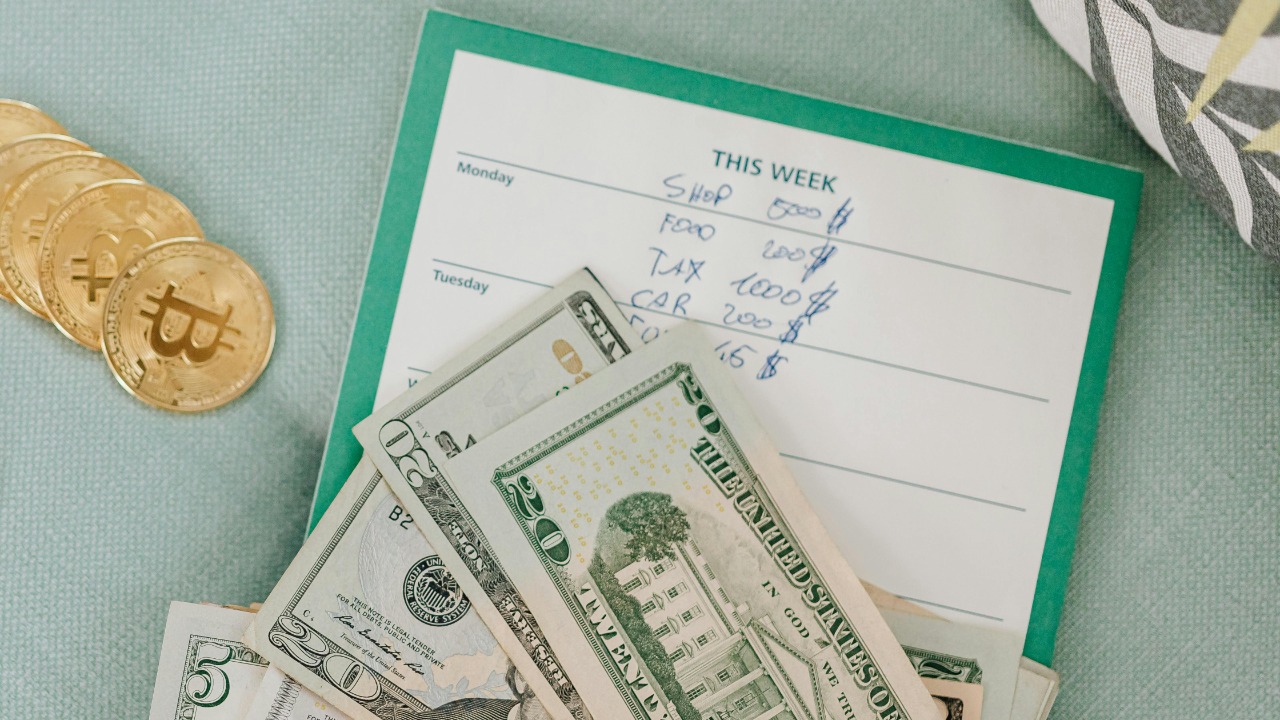
One of the most effective ways to save money is by creating a weekly budget. By outlining your expenses and income, you can clearly see where your money is going and identify areas where you can cut back. Start by listing your essential expenses, such as rent and groceries, and then allocate funds for discretionary spending. This approach not only helps you manage your money better but also ensures you’re living within your means.
There are many budgeting tools and apps available that make this process easier. By setting spending limits and tracking your expenses, you can avoid unnecessary purchases and allocate more money towards savings. Consistently following a budget can significantly impact your financial health over time.
Cook Meals at Home

Eating out can quickly drain your finances. Instead, consider cooking meals at home to save money. Not only is it more cost-effective, but it also allows you to control the ingredients and portion sizes, leading to healthier eating habits. If you’re feeding a family, you might be surprised at how much you can save by cooking at home. One family managed to feed themselves on just $200 a week by planning meals and shopping smartly.
Take advantage of weekly grocery store sales and plan your meals around discounted items. Preparing meals in bulk and freezing leftovers for later can also help reduce waste and save time during busy weekdays.
Cancel Unused Subscriptions
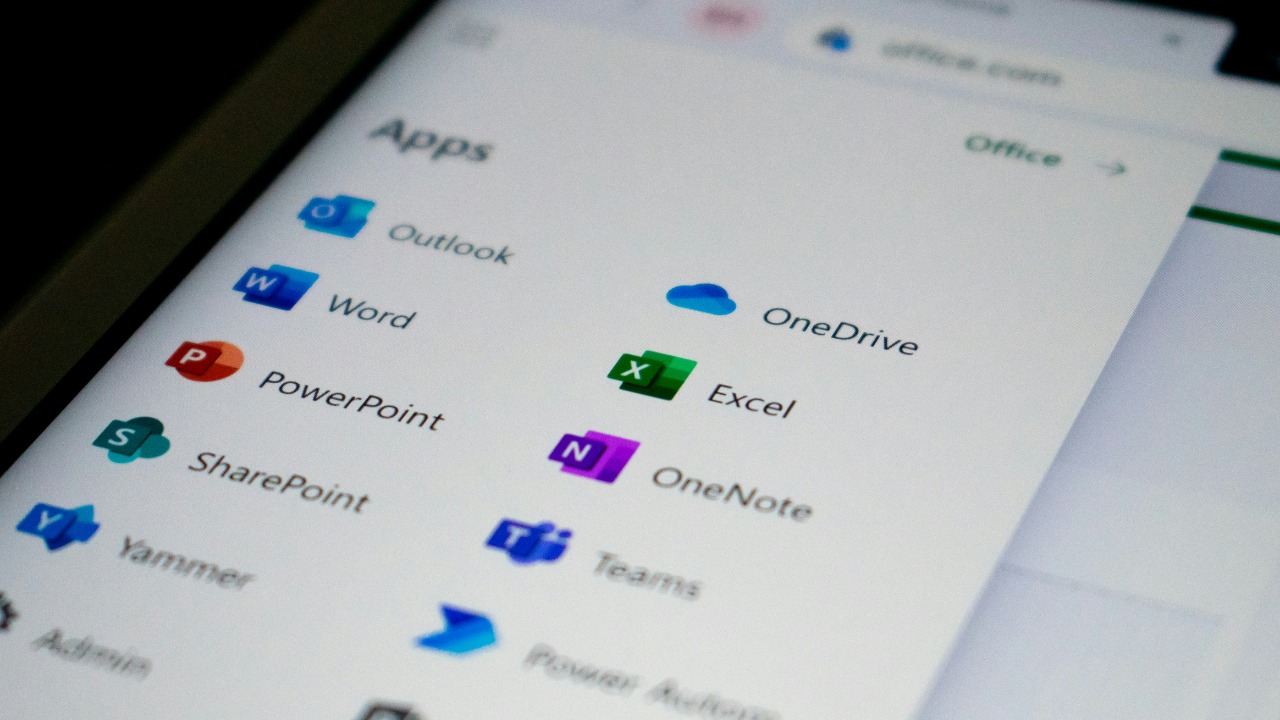
Many people have subscriptions they no longer use or need. These could range from streaming services to magazines. Take some time to review your monthly subscriptions and cancel any that are unnecessary. You might find that you’re paying for services you haven’t used in months.
Even small monthly fees can add up over time, so eliminating these can contribute significantly to your savings. Consider switching to a pay-as-you-go model for certain services or sharing subscriptions with family or friends to reduce costs.
Use Public Transportation

If you live in an area with reliable public transportation, consider using it instead of driving. This switch can save you money on gas, parking, and maintenance for your vehicle. Public transportation is often more affordable and environmentally friendly compared to the costs associated with owning a car.
In addition to saving on fuel and maintenance, many cities offer discounted passes or fare cards, especially for daily commuters. By using these options, you can further reduce your transportation expenses and contribute to your weekly savings goal.
Limit Online Shopping
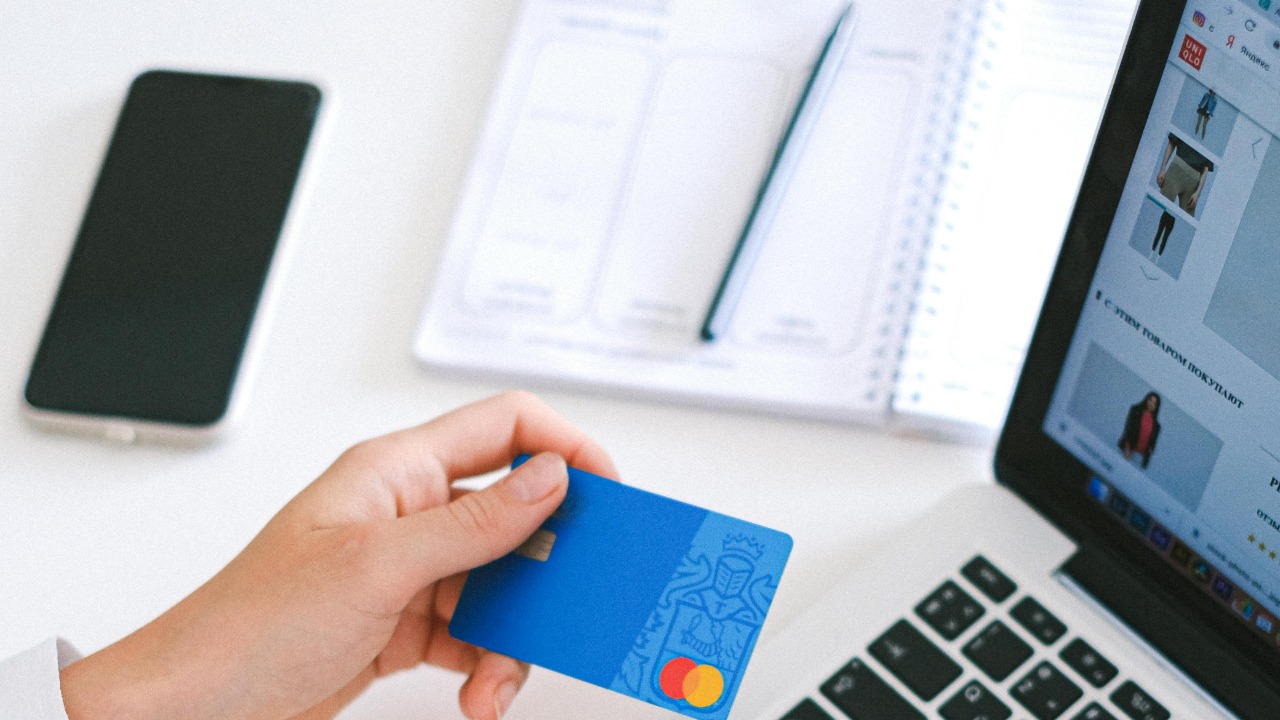
Online shopping can be tempting, especially with the convenience and variety it offers. However, it’s essential to set limits to avoid impulse buying. Unsubscribe from marketing emails to reduce temptation and set a rule to wait 24 hours before making a purchase decision.
Consider using browser extensions that alert you to price drops or offer cashback options on purchases. By being more mindful of your online shopping habits, you can prevent unnecessary spending and contribute to your savings.
Take Advantage of Discounts and Coupons

Discounts and coupons can significantly reduce your expenses. Many stores offer loyalty programs, discounts for bulk purchases, or coupons that can be used in-store or online. Make it a habit to check for these offers before making a purchase.
There are numerous websites and apps dedicated to finding the best deals and offering digital coupons. By utilizing these resources, you can maximize your savings on everyday purchases and allocate those funds to your savings account.
Sell Unwanted Items

Decluttering your home can not only create more space but also generate extra cash. Consider selling unwanted items online through platforms like eBay, Facebook Marketplace, or local buy-and-sell groups. This can be an effective way to turn unused items into money.
Host a garage sale or participate in a community swap meet. By getting rid of things you no longer need, you not only free up space but also add to your savings, helping you reach your $200 goal more quickly.
Reduce Utility Usage
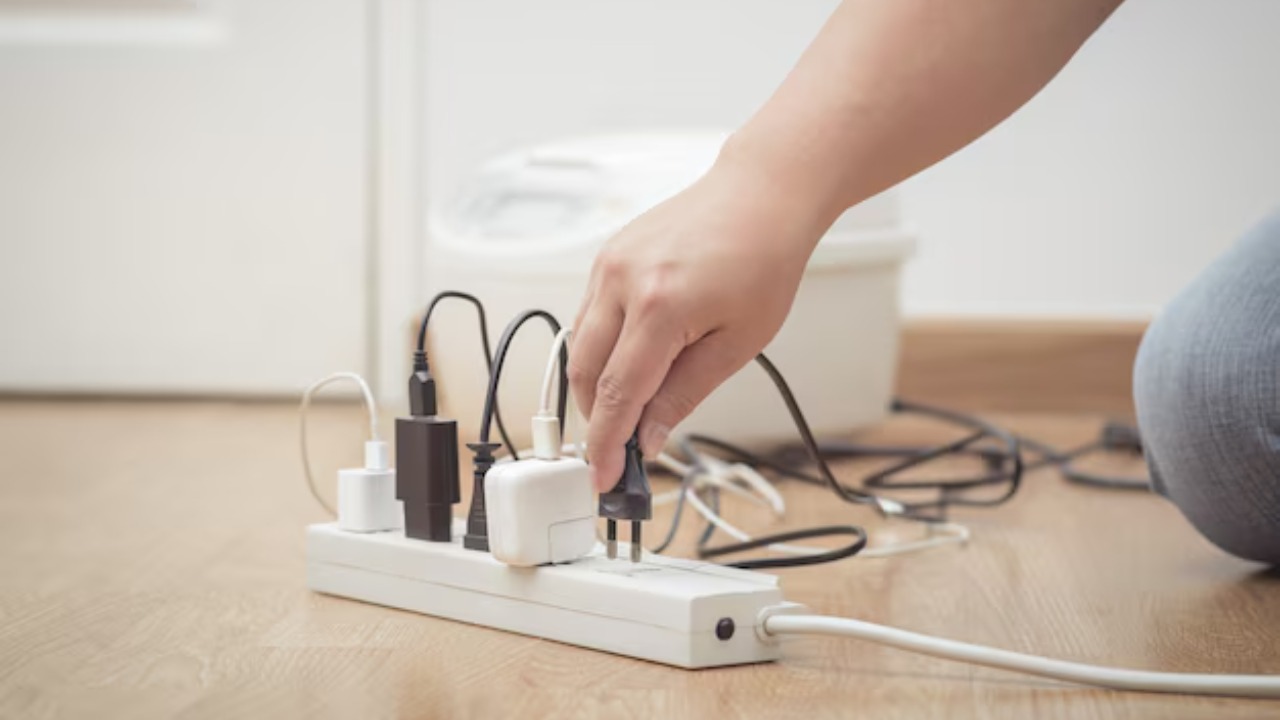
Reducing your utility usage is another practical way to save money. Simple actions like turning off lights when leaving a room, unplugging devices when not in use, and using energy-efficient appliances can lower your utility bills significantly.
Consider setting your thermostat a few degrees lower in the winter or higher in the summer to save on heating and cooling costs. Small changes in your daily routine can lead to substantial savings over time, contributing to your weekly goal.

Cole Whitaker focuses on the fundamentals of money management, helping readers make smarter decisions around income, spending, saving, and long-term financial stability. His writing emphasizes clarity, discipline, and practical systems that work in real life. At The Daily Overview, Cole breaks down personal finance topics into straightforward guidance readers can apply immediately.
