
Managing your finances doesn’t always mean sacrificing the things you love. There are practical ways to cut down on expenses without feeling the pinch. From cooking at home to embracing public transport, each small adjustment can lead to significant savings. Here are nine budget cuts that won’t leave you feeling deprived.
Embrace Homemade Meals

Cooking at home is one of the simplest ways to save money. By planning and preparing meals yourself, you not only save on food costs but also have control over the ingredients and portion sizes. A delicious homemade pizza or a fresh salad can be both healthier and cheaper than their restaurant counterparts. Moreover, cooking in batches and freezing meals can save time and reduce waste. For inspiration, check out this guide to budget-friendly recipes.
Opt for Generic Brands

Choosing generic brands over name brands can save you a significant amount on your grocery bill. Many generic products offer the same quality and taste as their branded counterparts, often at a fraction of the price. Items like cereals, cleaning supplies, and personal care products are excellent candidates for swapping. Next time you’re at the supermarket, give the store’s own brand a try and see the savings add up.
Cancel Unused Subscriptions

With the proliferation of subscription services, it’s easy to lose track of what you’re actually using. Whether it’s streaming services, magazine subscriptions, or fitness apps, auditing these regularly can help you cut down on unnecessary costs. Cancel any that you don’t use regularly and consider sharing some with friends or family to reduce expenses further. According to a study on consumer habits, many people are unaware of their recurring subscription costs.
DIY Home Maintenance

Instead of calling in a professional for every minor issue, learning some basic DIY skills can be a money saver. Simple tasks like fixing a leaky faucet, painting a room, or unclogging a drain can be done with a bit of research and the right tools. Not only does this save on labor costs, but it also gives a sense of accomplishment. For more complex tasks, there are plenty of online tutorials to guide you.
Swap Clothes with Friends

Instead of buying new clothes every season, consider organizing a clothing swap with friends. This is a fun way to refresh your wardrobe without spending a dime. Gather your friends and bring gently used clothes, shoes, and accessories that you no longer wear. You’ll not only save money but also enjoy a social event while reducing waste and promoting sustainability.
Utilize Public Transportation

Driving everywhere adds up with fuel, parking, and maintenance costs. By utilizing public transportation, you can significantly cut down on these expenses. Many cities offer discounted monthly passes or cards that make commuting via bus, train, or tram affordable and convenient. Moreover, using public transport reduces your carbon footprint, contributing positively to the environment. Learn more about the benefits of public transportation here.
Borrow Instead of Buy

Before making a purchase, consider whether it’s something you can borrow instead. Items like tools, books, and even certain clothing pieces for special events can often be borrowed from friends or family. Libraries, tool libraries, and community share groups are excellent resources for accessing items you need without spending money.
Limit Dining Out

While dining out is convenient, it can quickly become expensive. By limiting the number of times you eat out each month, you can save a significant amount. Reserve dining out for special occasions and try to replicate your favorite restaurant meals at home. This not only saves money but also allows for a more personalized dining experience. For some financial insights, watch this interesting discussion on budgeting.
Reduce Utility Usage
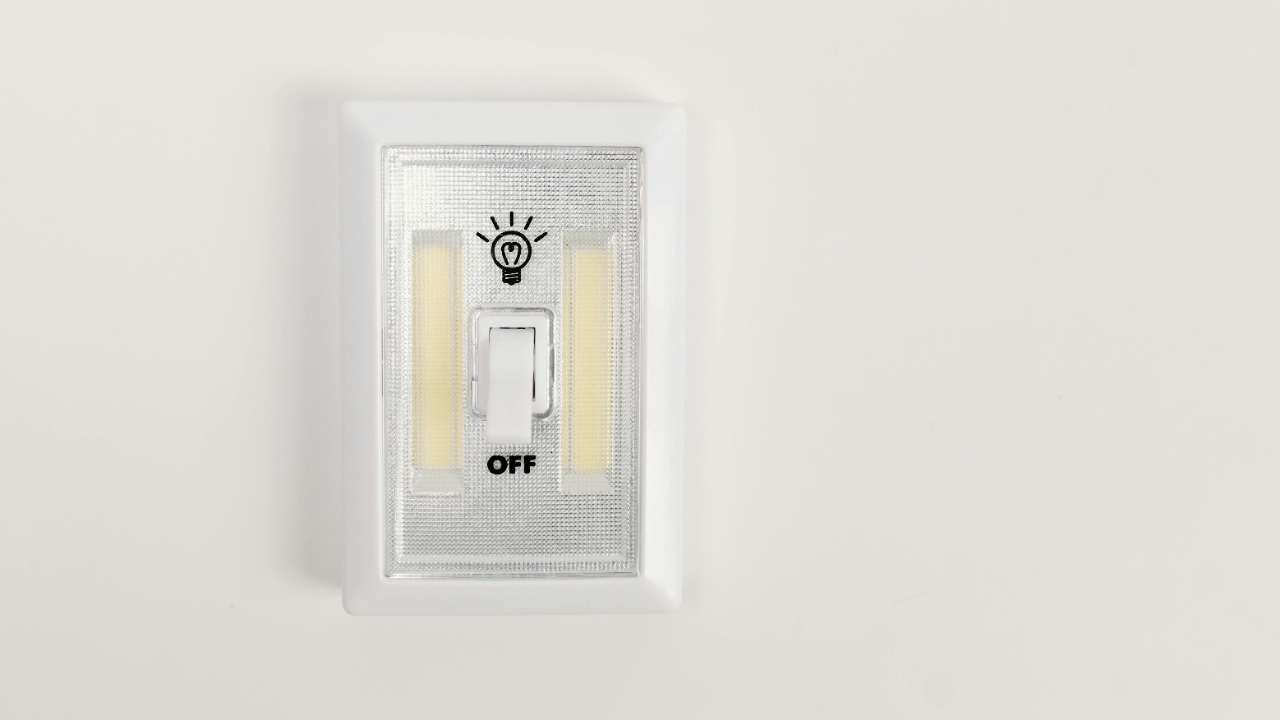
Reducing utility usage can lead to lower bills and a smaller environmental impact. Simple actions like turning off lights when leaving a room, unplugging electronics when not in use, and using energy-efficient appliances make a difference. In colder months, consider layering clothing instead of cranking up the heat. Small changes in daily habits can accumulate into significant savings over time, as noted in a study on household energy conservation.

Cole Whitaker focuses on the fundamentals of money management, helping readers make smarter decisions around income, spending, saving, and long-term financial stability. His writing emphasizes clarity, discipline, and practical systems that work in real life. At The Daily Overview, Cole breaks down personal finance topics into straightforward guidance readers can apply immediately.

