
With the rise of digital learning, teachers are finding creative ways to earn from online tutoring. By leveraging various platforms and resources, educators can expand their reach and maximize their income potential. Here are nine clever strategies teachers are using to succeed in the digital tutoring space.
Leveraging Social Media Platforms

Social media platforms are powerful tools for teachers looking to expand their tutoring business. By creating engaging content on platforms like Instagram, Facebook, and LinkedIn, educators can attract a wider audience. Sharing educational tips, success stories, and interactive content can enhance visibility and establish credibility.
Using targeted ads can also help reach potential students who are actively seeking online tutoring services. For more insights on leveraging social media, check out this resource.
Creating Personalized Study Guides

Personalized study guides are an excellent way for teachers to provide value to their students while earning additional income. By assessing individual learning styles and needs, educators can create customized materials that enhance understanding and retention. These guides can be sold as standalone products or bundled with tutoring sessions.
Teachers can also offer digital downloads through their websites or educational marketplaces, making it easy for students to access tailored learning resources.
Offering Group Tutoring Sessions

Group tutoring sessions offer a cost-effective solution for students and a scalable opportunity for teachers. By accommodating multiple students at once, educators can increase their earnings without significantly increasing their workload. Group sessions foster a collaborative learning environment where students can interact and learn from each other.
Platforms like Zoom and Google Meet make it easy to conduct these sessions online, providing flexibility for both teachers and students.
Developing Online Courses
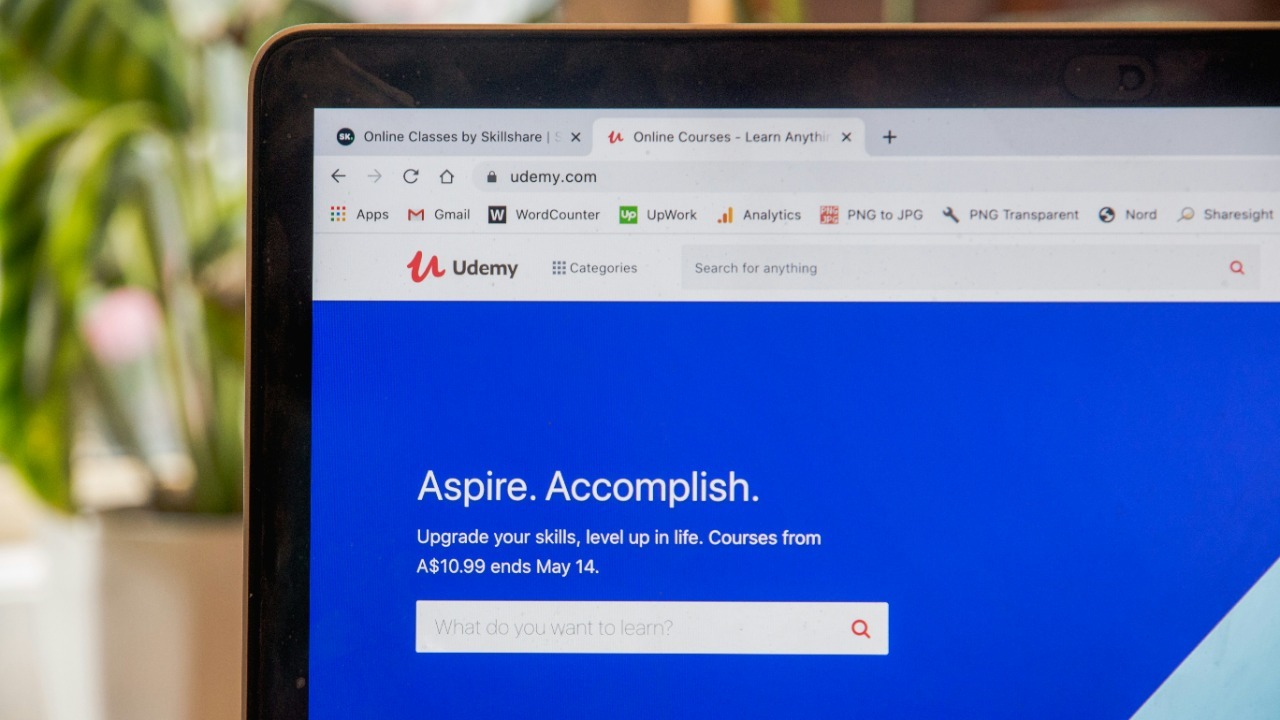
Creating online courses allows teachers to share their expertise with a broader audience. Platforms such as Udemy and Teachable offer the tools needed to develop and market courses effectively. Teachers can design courses on topics they are passionate about, providing students with in-depth learning experiences.
Online courses also offer a passive income stream, as they can be sold continuously without the need for live instruction. Learn more about developing courses with this guide.
Hosting Webinars and Workshops

Webinars and workshops are excellent platforms for teachers to connect with students and share their knowledge. These live sessions can cover specific topics or provide general guidance on academic skills. Teachers can charge a fee for access, offering additional resources or Q&A sessions to enhance value. Webinars also help in building a community of learners and establishing authority in a particular subject area.
Utilizing Subscription Models

Subscription models provide a steady income stream by offering students regular access to exclusive content. Teachers can create membership sites where students pay a monthly fee for access to study materials, live sessions, and community forums. This model encourages continuous learning and allows teachers to build a loyal student base.
Subscription sites can be easily managed using platforms like Patreon or Memberful.
Collaborating with Educational Apps

Teachers can expand their reach by collaborating with educational apps that offer tutoring services. These apps often seek qualified educators to provide content or conduct live sessions. By partnering with these platforms, teachers can tap into existing user bases and gain exposure to new students. Additionally, app collaborations often come with marketing support, helping educators reach their target audience more effectively.
Creating YouTube Educational Content

YouTube is a popular platform for educators to share free educational content while generating income through ads and sponsorships. Teachers can create video lessons on various subjects, offering tips and insights to help students succeed. Consistent content creation can lead to a growing subscriber base, opening up opportunities for monetization through YouTube’s Partner Program.
This approach not only provides passive income but also enhances a teacher’s online presence.
Offering Test Preparation Services

Test preparation is a lucrative area for online tutoring. Teachers can offer specialized courses or sessions focused on standardized tests such as the SAT, ACT, or GRE. By providing targeted strategies and practice materials, educators can help students improve their scores and gain confidence.
Test prep services can be offered individually or in group settings, catering to different learning preferences and maximizing earning potential. For more ideas on earning through tutoring, visit this article.

Alex is the strategic mind behind The Daily Overview, guiding its mission to uncover the forces shaping modern wealth. With a background in market analysis and a track record of building digital-first businesses, he leads the publication with a focus on clarity, depth, and forward-looking insight. Alex oversees editorial direction, growth strategy, and the development of new content verticals that help readers identify opportunity in an ever-evolving financial landscape. His leadership emphasizes disciplined thinking, high standards, and a commitment to making sophisticated financial ideas accessible to a broad audience.