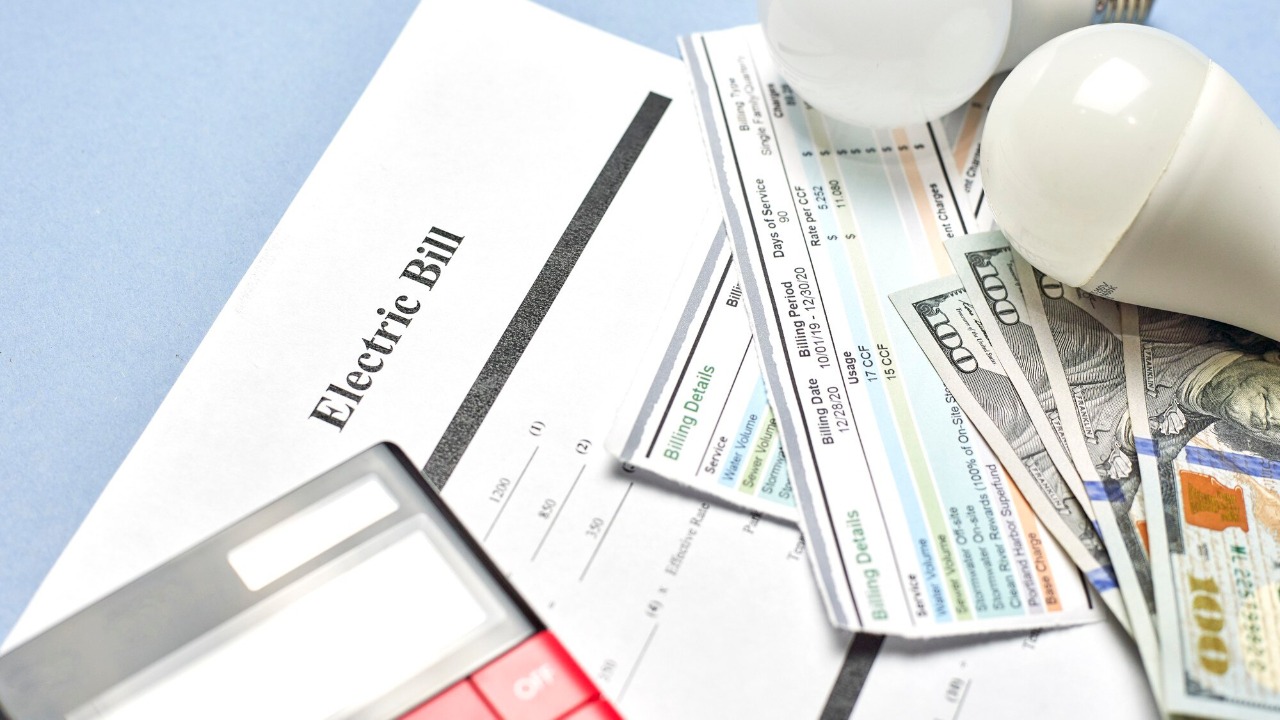
Managing household electricity costs can be challenging, especially with certain devices that significantly contribute to higher bills. Understanding which appliances are the biggest energy hogs can help you make informed decisions about usage and efficiency upgrades. Here’s a breakdown of the nine devices most likely to cause your electricity bill to skyrocket.
1. Air Conditioners
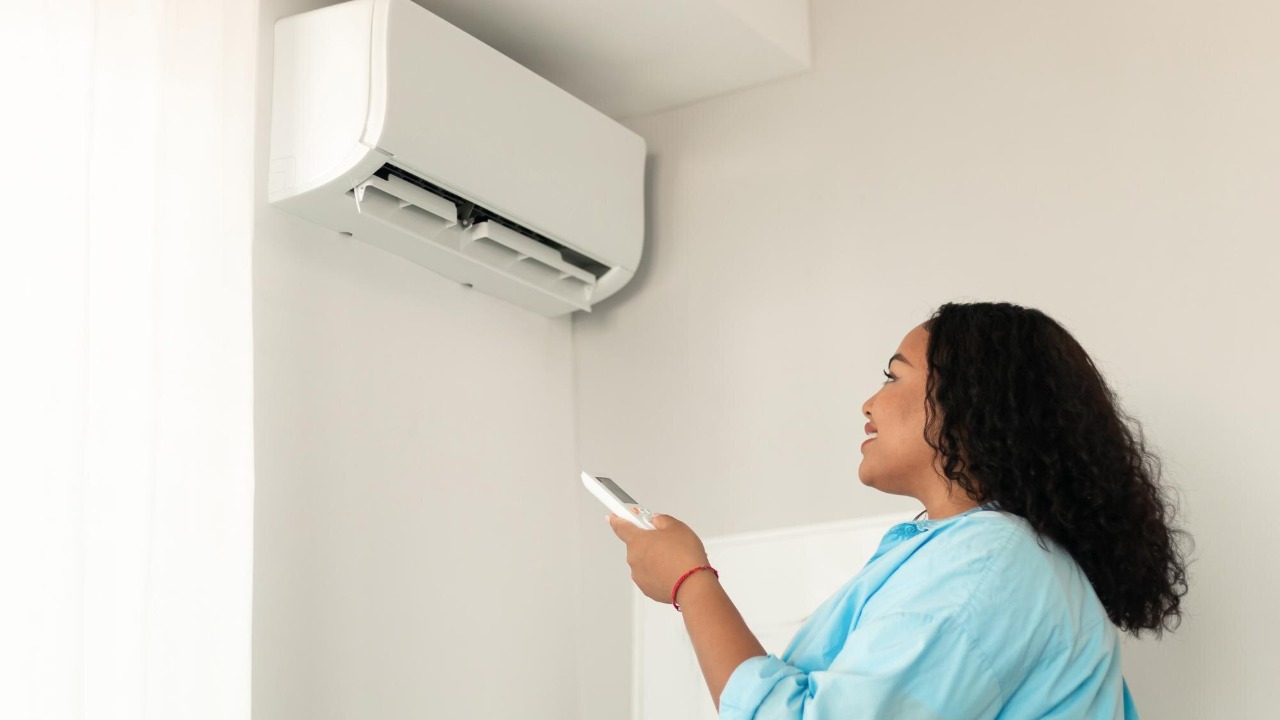
Air conditioners are notorious for their energy consumption, particularly during hot summer months. Central air conditioning systems can account for a large portion of a household’s energy use. A typical AC unit may consume anywhere from 2,000 to 5,000 watts per hour, depending on its size and efficiency. If you’re using an older model, it might be time to consider an upgrade to an energy-efficient unit. Additionally, regular maintenance, such as cleaning or replacing filters, can improve performance and reduce electricity use.
Utilizing a programmable thermostat can also help manage the energy output of your air conditioner. By setting the temperature to automatically adjust when you’re not home, you can significantly reduce energy consumption. For more energy-saving tips, check out this comprehensive guide.
2. Electric Water Heaters
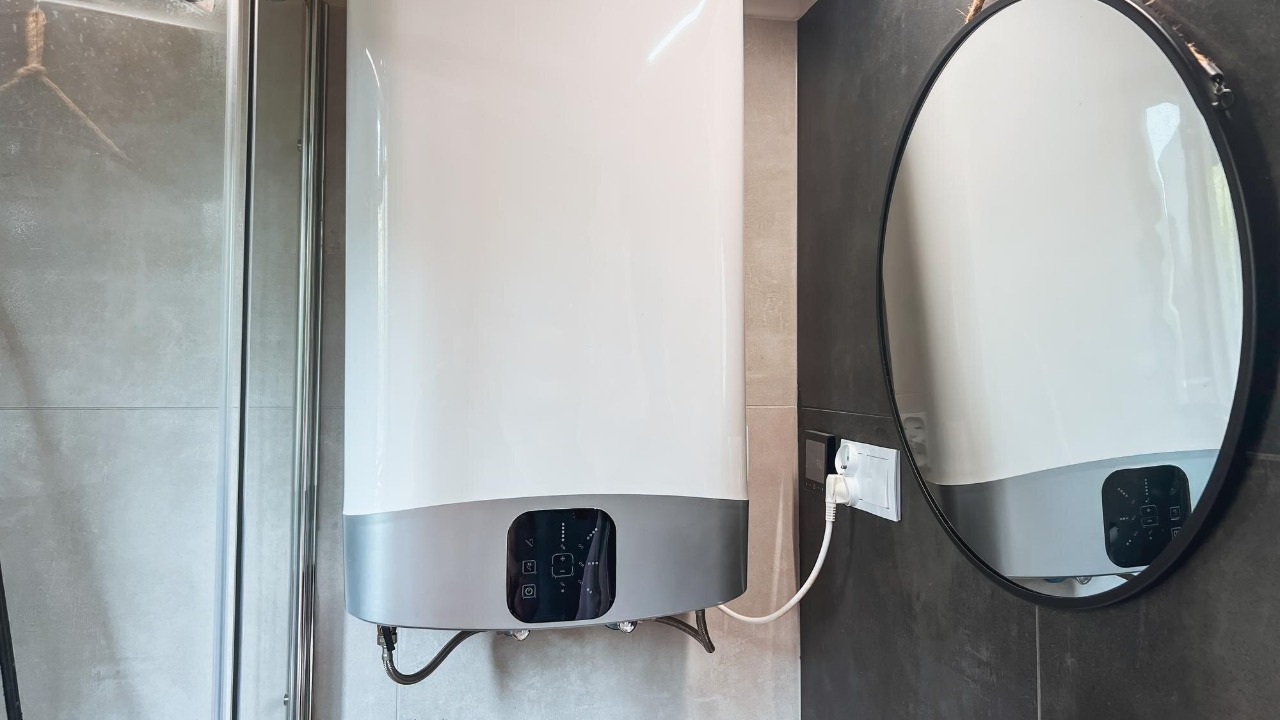
Electric water heaters are another major energy consumer in many homes. Heating water for showers, laundry, and dishwashing can quickly add up, accounting for about 18% of your home’s energy use. To minimize costs, consider lowering the thermostat on your water heater to 120 degrees Fahrenheit. This setting is usually sufficient for most household needs and can prevent unnecessary energy consumption.
Insulating your water heater and the first few feet of the hot water pipes can also help maintain the desired temperature without overworking the unit. If it’s time for a replacement, look into more energy-efficient options like tankless water heaters. For more insights, this article offers additional strategies for reducing water heater costs.
3. Space Heaters
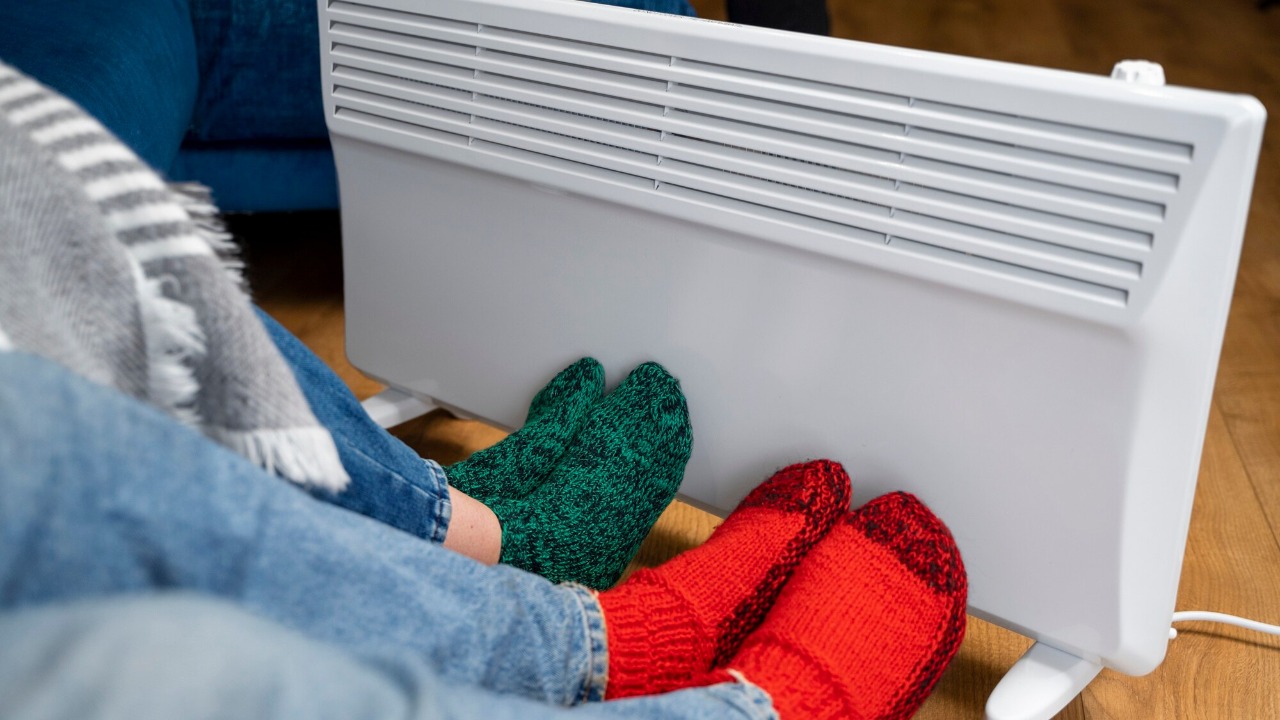
Space heaters can be a quick solution for colder rooms, but they are not energy-efficient. Running a space heater can consume between 1,500 to 3,000 watts per hour, making them costly if used regularly. It’s best to use them sparingly and only in areas where extra warmth is absolutely necessary.
To mitigate these costs, consider layering clothing or using blankets to stay warm. Investing in better insulation for your home can also improve overall heating efficiency, reducing the need for supplemental heating devices like space heaters.
4. Refrigerators and Freezers
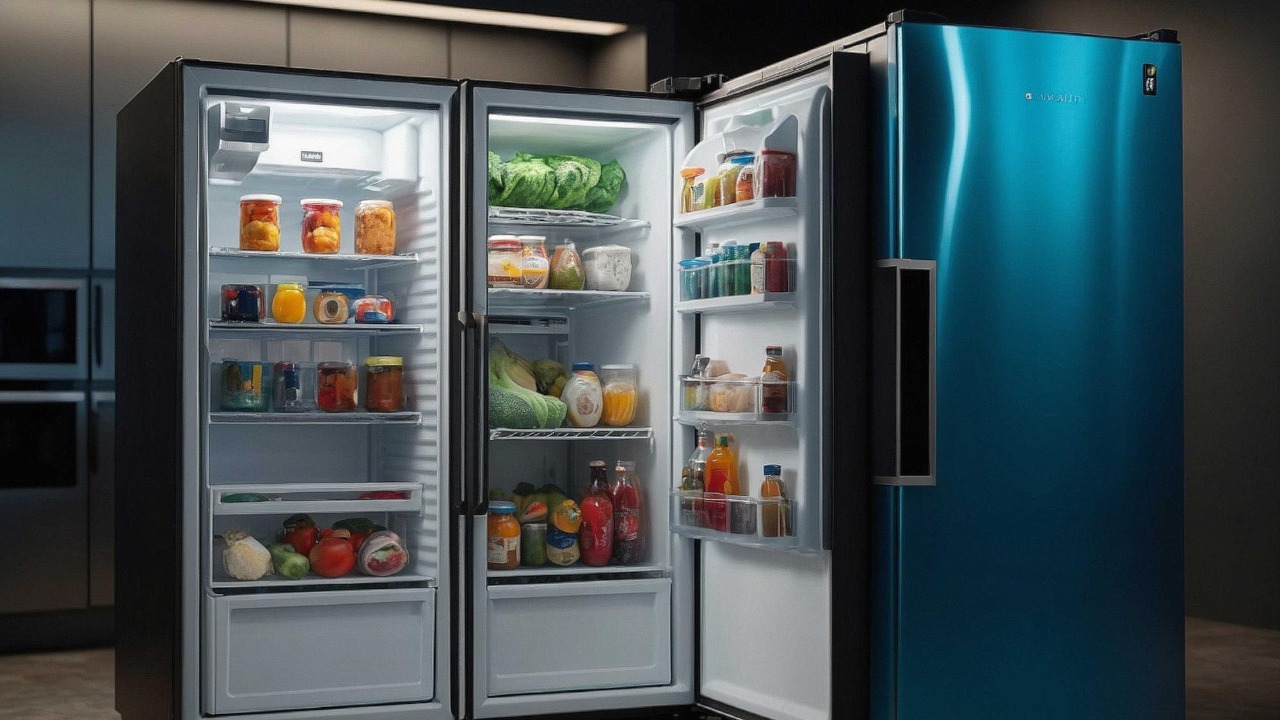
Refrigerators and freezers run continuously, making them one of the most energy-hungry appliances in your home. Older models, in particular, can be inefficient, consuming more electricity than newer, energy-efficient versions. Regular maintenance, such as cleaning the coils and ensuring the door seals are intact, can improve efficiency.
If you’re considering a replacement, look for models with the Energy Star label, which signifies higher energy efficiency. Additionally, adjusting the temperature settings to the manufacturer’s recommended levels can help save energy. A good rule of thumb is to set your refrigerator to 37°F and the freezer to 0°F.
5. Clothes Dryers
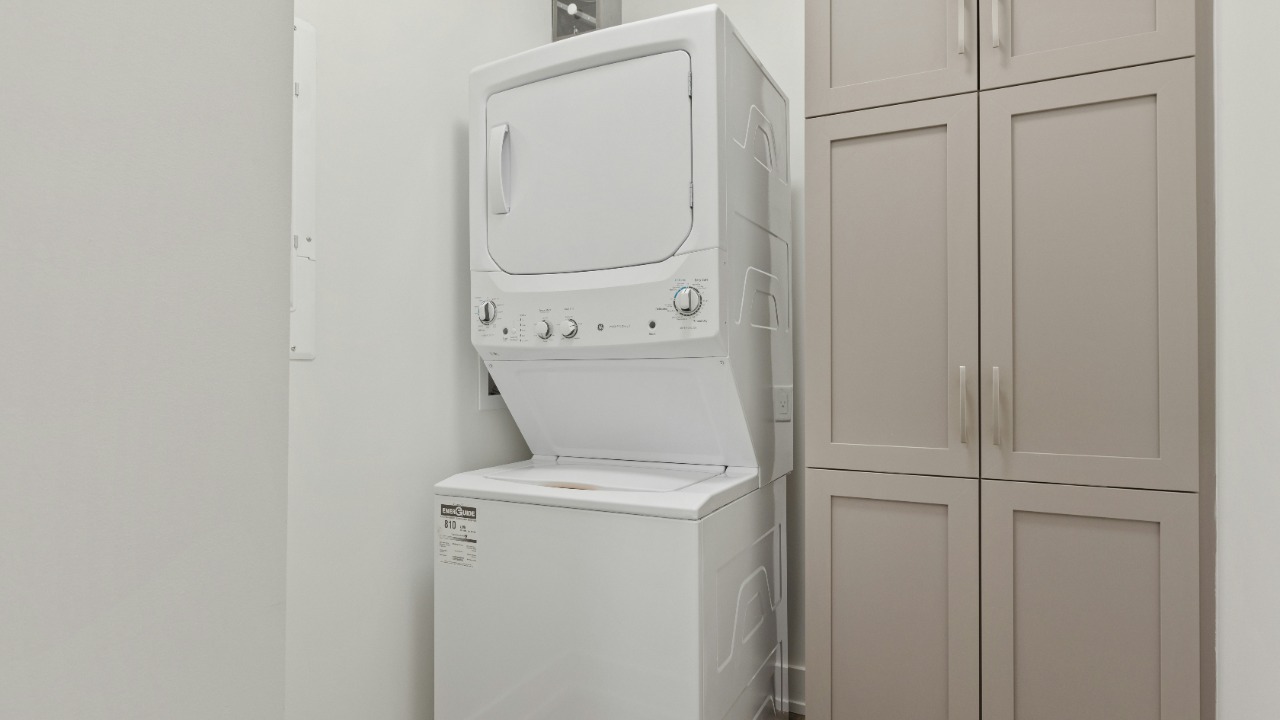
Clothes dryers are another significant contributor to high electricity bills. They consume about 2,000 to 6,000 watts per hour, depending on the model and settings used. Air drying clothes when possible can save a substantial amount of energy. If you must use a dryer, consider using lower heat settings or a moisture sensor feature if available.
Regularly cleaning the lint filter and ensuring the exhaust vent is clear can help the dryer run more efficiently, reducing energy consumption. For more information on saving energy with household appliances, explore this detailed study.
6. Electric Ovens and Stoves
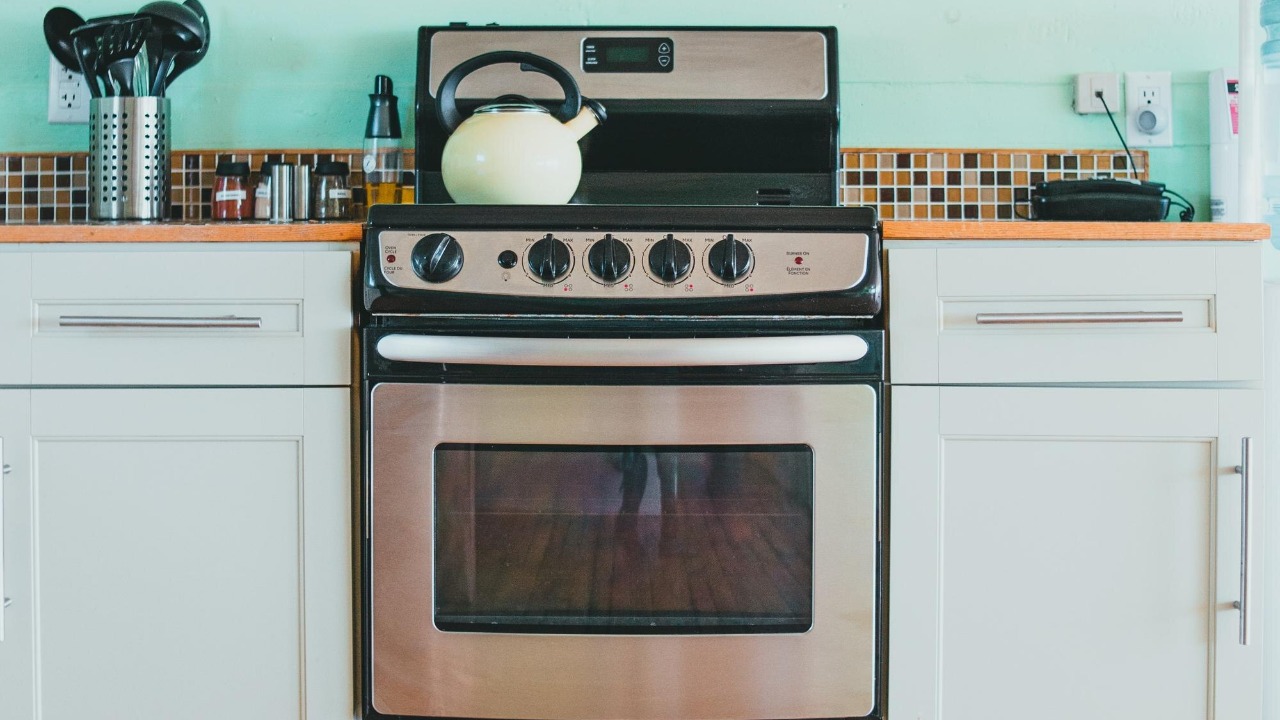
Electric ovens and stoves can quickly drive up electricity costs, especially when used frequently. Using the right-sized pot on burners and keeping lids on while cooking can help conserve energy. Additionally, using a microwave or toaster oven for smaller meals can be more efficient than heating a full-sized oven.
If your kitchen appliances are due for an upgrade, consider models with induction cooktops, which are more energy-efficient and cook food faster than traditional electric stovetops. For further tips on energy efficiency in the kitchen, check out this resource.
7. Dishwashers
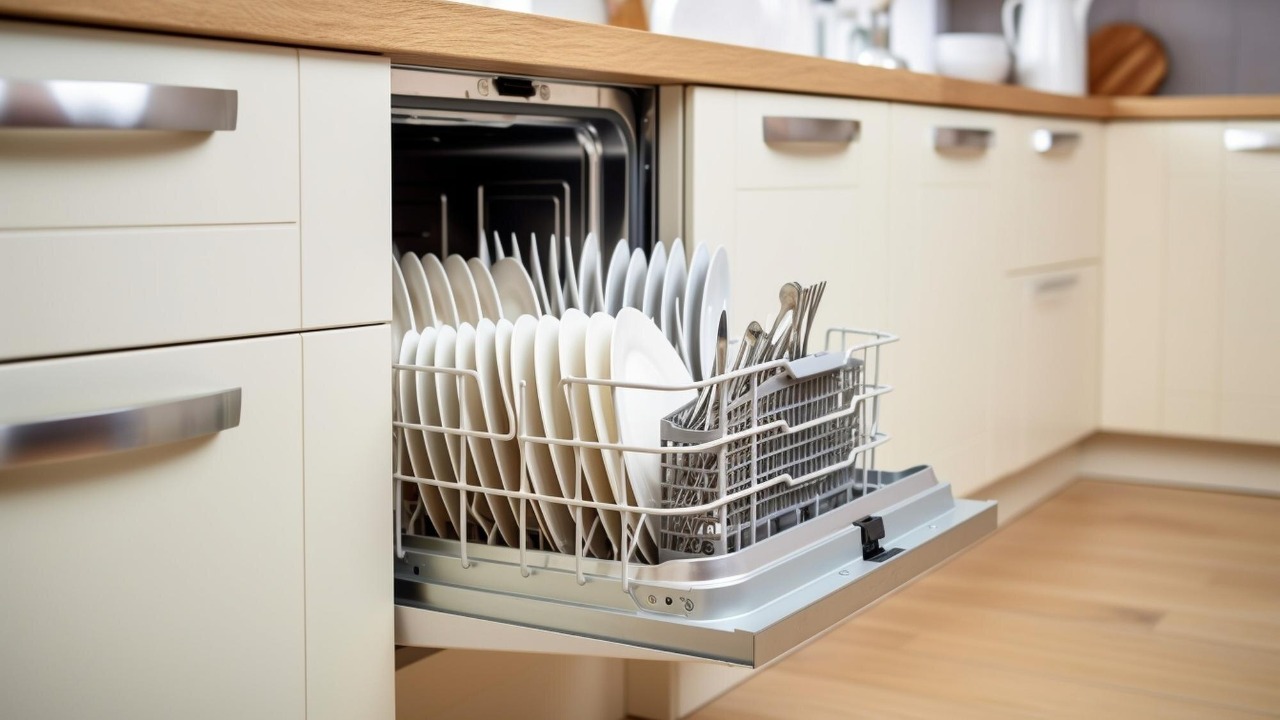
Dishwashers can use a significant amount of electricity, particularly when using heat-dry settings. Opting for air drying instead can cut down on energy use. Additionally, running only full loads can ensure you’re getting the most out of each cycle.
Many modern dishwashers have energy-saving modes, so utilizing these settings can result in additional savings. Regular maintenance, such as cleaning filters and checking for blockages, will keep the dishwasher running efficiently and reduce electricity consumption.
8. Televisions and Entertainment Systems
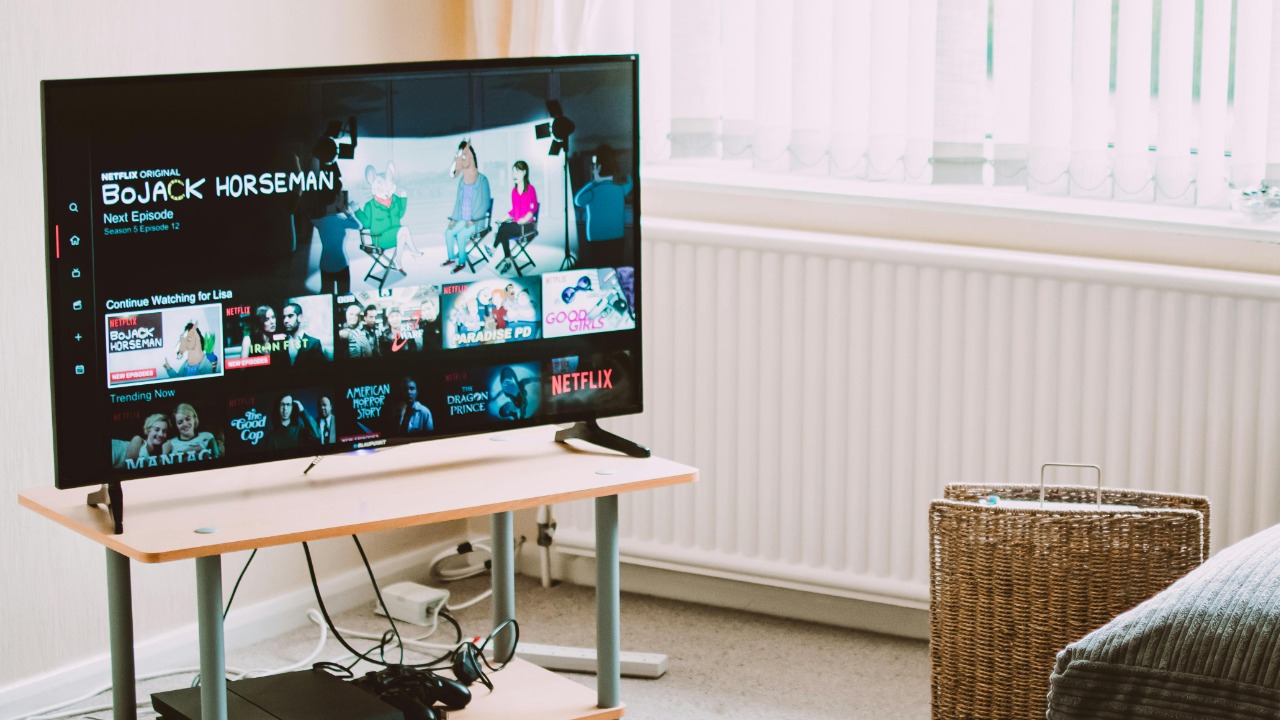
While individual components like televisions and gaming consoles may not use a tremendous amount of electricity on their own, together they can add up. Large flat-screen TVs, surround sound systems, and multiple devices running simultaneously can significantly increase your energy usage.
Using power strips to easily turn off multiple devices when not in use can help reduce standby power consumption. Additionally, opting for energy-efficient models and lowering the brightness on screens can further cut down on electricity costs.
9. Desktop Computers and Servers

Desktop computers and servers running continuously can be major energy drains. They often run at high wattages, particularly if they’re used for gaming or graphics-intensive tasks. If you’re not using your computer, consider putting it into sleep mode or shutting it down entirely to save energy.
Upgrading to energy-efficient models or laptops, which typically consume less power, can also make a significant difference. For businesses, considering cloud-based solutions can reduce the need for on-site servers, which are typically power-hungry. This study provides more insights into energy-efficient computing solutions.

Cole Whitaker focuses on the fundamentals of money management, helping readers make smarter decisions around income, spending, saving, and long-term financial stability. His writing emphasizes clarity, discipline, and practical systems that work in real life. At The Daily Overview, Cole breaks down personal finance topics into straightforward guidance readers can apply immediately.

