
Flipping houses can be a lucrative venture, but new investors often stumble over common pitfalls. Understanding these mistakes can help you navigate the complexities of real estate investment with greater confidence. Here are nine frequent errors that first-time flippers should avoid to ensure a successful project.
1. Underestimating Renovation Costs
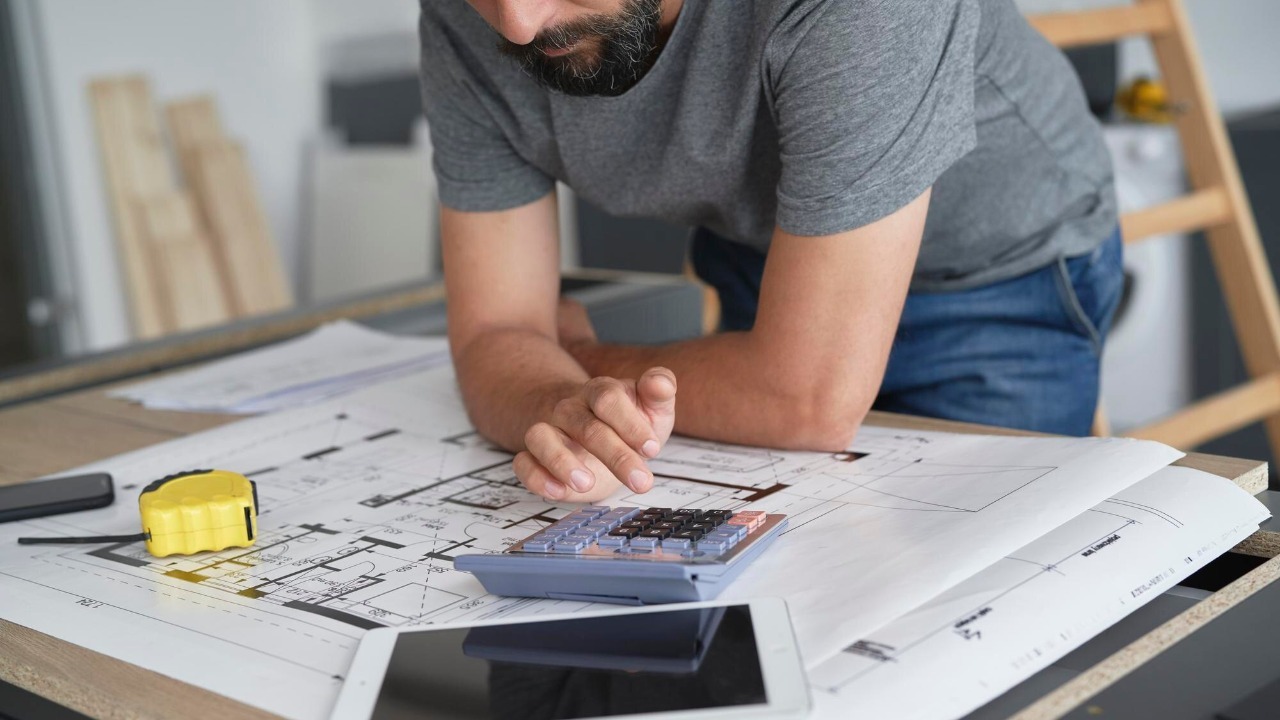
One of the most common mistakes new investors make is underestimating the cost of renovations. It’s easy to overlook hidden issues like outdated wiring or plumbing that can significantly inflate your budget. Always include a contingency fund of at least 10-20% of your total renovation budget to cover unexpected expenses. Consulting with experienced contractors before purchasing a property can provide a more accurate estimate of potential costs.
For example, a seemingly minor roof repair can quickly escalate into a full replacement if underlying damage is discovered. By preparing for these surprises, you can avoid financial strain and keep your project on track.
2. Skipping the Home Inspection
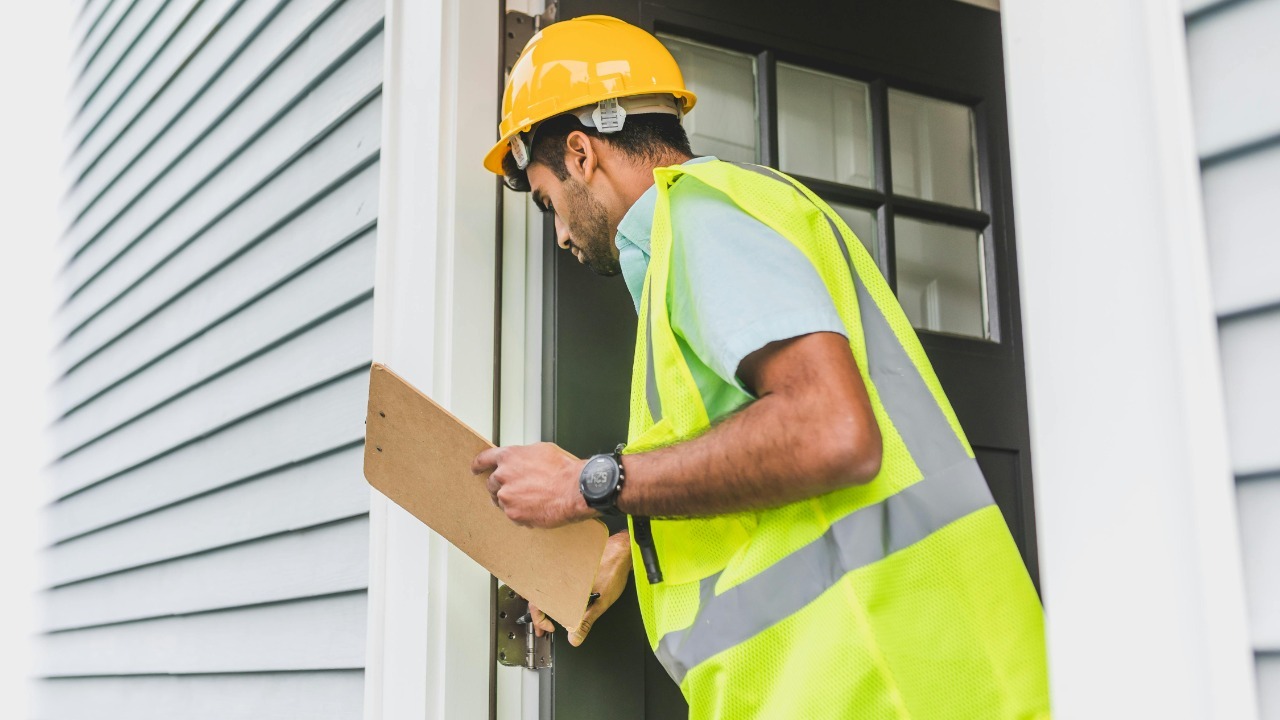
Skipping a home inspection to save time or money can lead to costly surprises down the road. A thorough inspection can reveal structural issues, pest infestations, or other problems that aren’t immediately visible. These issues can significantly impact your renovation budget and timeline.
Investing in a professional home inspection before purchasing a property is crucial. It provides a detailed understanding of the property’s condition, allowing you to make informed decisions and negotiate repairs or price adjustments with the seller.
3. Neglecting Market Research

Understanding the local real estate market is essential for a successful flip. Neglecting market research can lead to purchasing properties in declining areas or overestimating the demand for certain types of homes. This oversight can result in longer selling times and reduced profits.
Researching comparable sales, neighborhood trends, and buyer preferences will help you choose properties with the best potential for a profitable flip. Tools like Zillow and Redfin can provide valuable insights into local market conditions.
4. Overestimating After Repair Value (ARV)
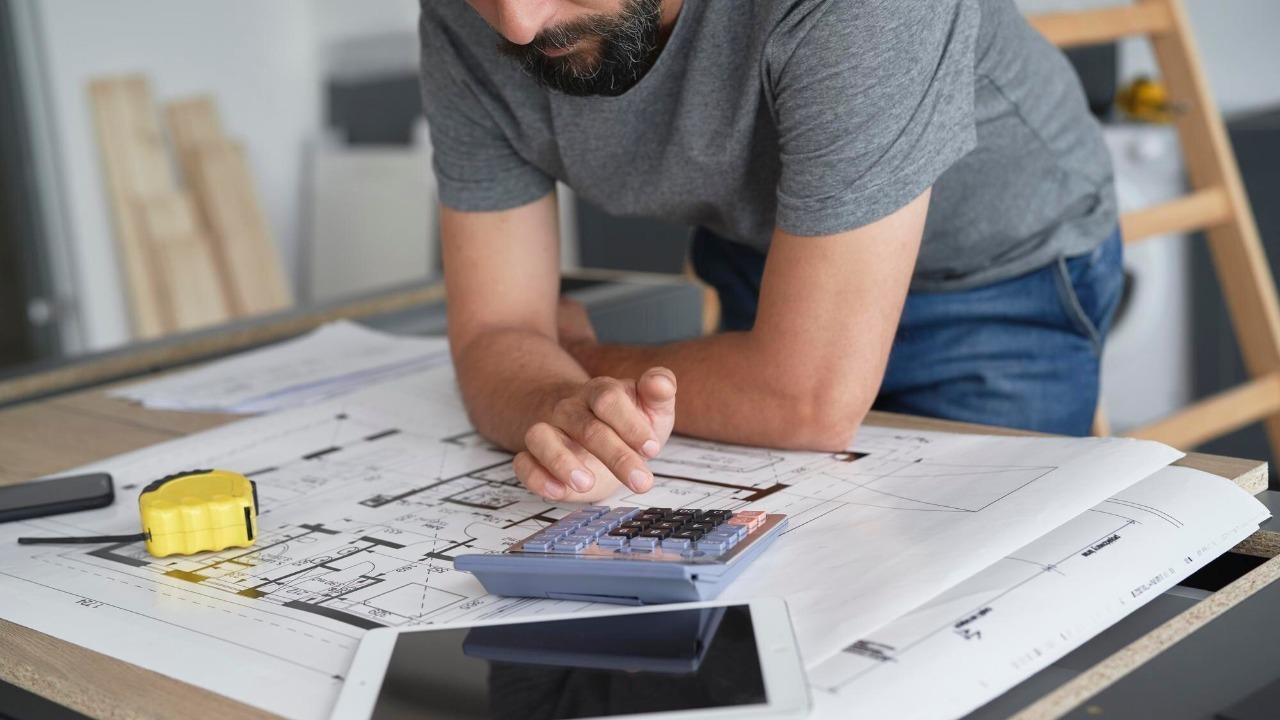
Overestimating the After Repair Value (ARV) of a property can lead to financial disappointment. The ARV is the estimated value of a property after renovations, and an inflated estimate can result in overpaying for a property or spending too much on upgrades.
To accurately determine ARV, analyze recent sales of similar properties in the area. Consider factors like square footage, number of bedrooms, and overall condition. Consulting with a local real estate agent can also provide valuable insights into realistic ARV expectations.
5. Choosing the Wrong Location

Location is a critical factor in real estate investment, and choosing the wrong one can severely impact your flip’s success. Properties in undesirable areas may struggle to attract buyers, leading to extended time on the market and reduced profits.
Focus on neighborhoods with strong demand, good schools, and access to amenities. Researching local crime rates, school ratings, and future development plans can help you identify promising locations for investment.
6. Hiring Unreliable Contractors
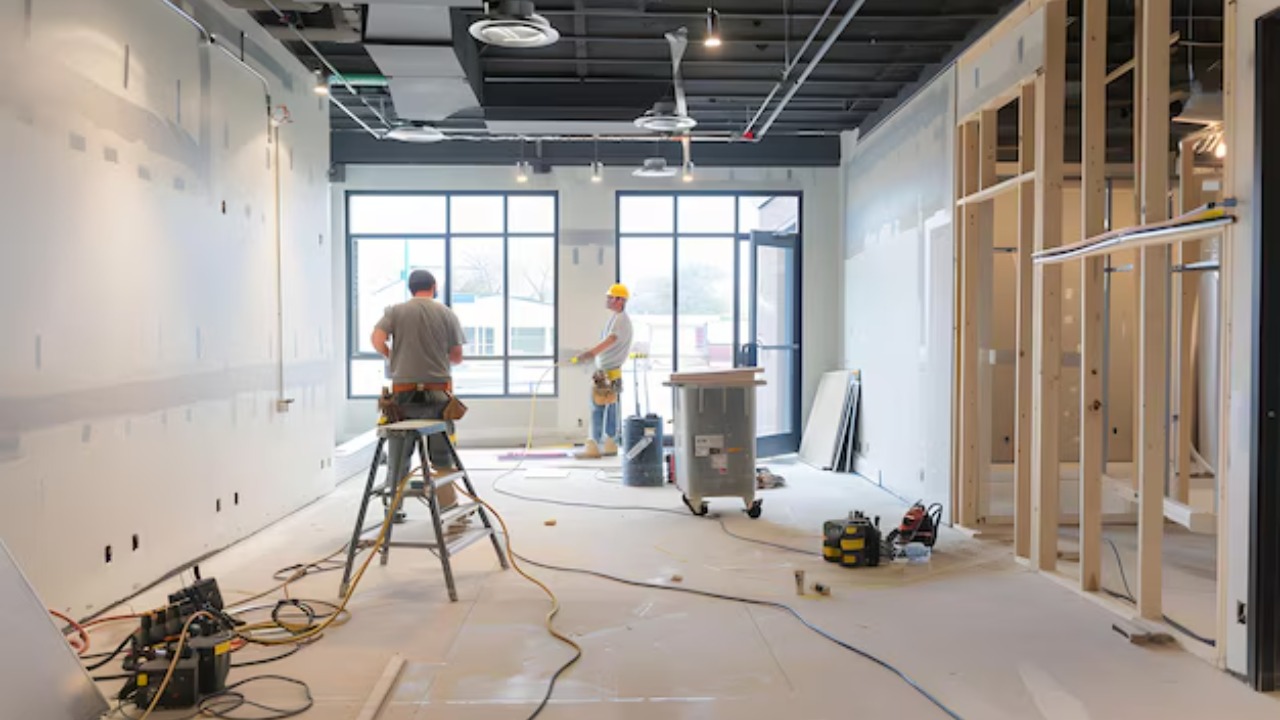
Hiring unreliable contractors can derail your project and lead to subpar work. It’s essential to vet contractors thoroughly by checking references, reviewing past work, and ensuring they have the necessary licenses and insurance.
Consider getting multiple bids for your project to compare pricing and timelines. Clear communication and a detailed contract outlining the scope of work, payment schedule, and deadlines can help prevent misunderstandings and ensure a smooth renovation process.
7. Ignoring Time Management

Time is money in the world of house flipping, and delays can quickly eat into your profits. Ignoring time management can lead to extended holding costs, such as mortgage payments, utilities, and insurance.
Develop a realistic timeline for your project and monitor progress closely. Regularly communicate with your contractors to address any issues promptly and keep the project on schedule. Efficient time management can significantly impact your bottom line.
8. Overpersonalizing Renovations

While it’s tempting to infuse personal style into a renovation, overpersonalizing can limit the property’s appeal to potential buyers. Unique design choices may not resonate with the broader market, making it harder to sell the property quickly.
Focus on neutral, timeless designs that appeal to a wide range of buyers. Stick to popular finishes and fixtures that enhance the property’s value without alienating potential buyers. This approach increases the likelihood of a quick sale at a favorable price.
9. Failing to Secure Proper Financing
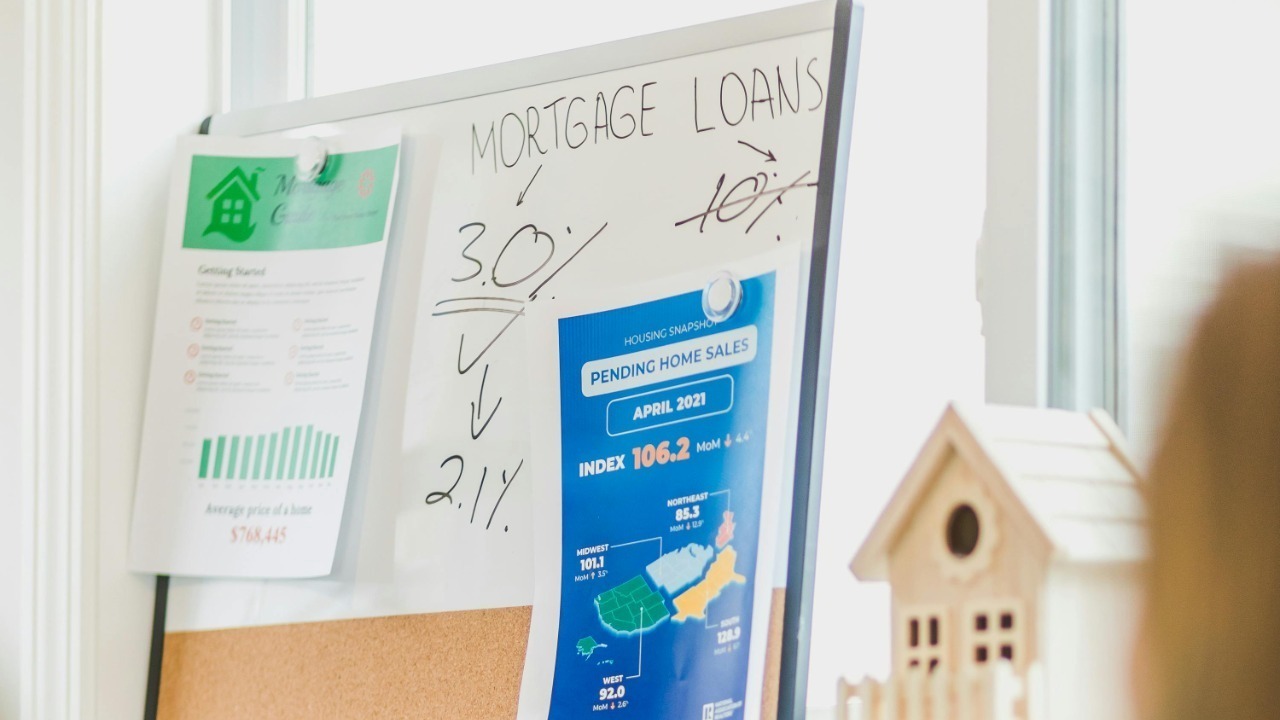
Securing proper financing is crucial for a successful flip. Relying on inadequate or expensive financing options can strain your budget and reduce profits. It’s essential to explore various financing options, such as traditional mortgages, hard money loans, or private lenders, to find the best fit for your project.
Ensure you have a clear understanding of the terms and conditions of your financing arrangement. This knowledge will help you manage cash flow effectively and avoid unexpected financial challenges during the renovation process.

Elias Broderick specializes in residential and commercial real estate, with a focus on market cycles, property fundamentals, and investment strategy. His writing translates complex housing and development trends into clear insights for both new and experienced investors. At The Daily Overview, Elias explores how real estate fits into long-term wealth planning.

