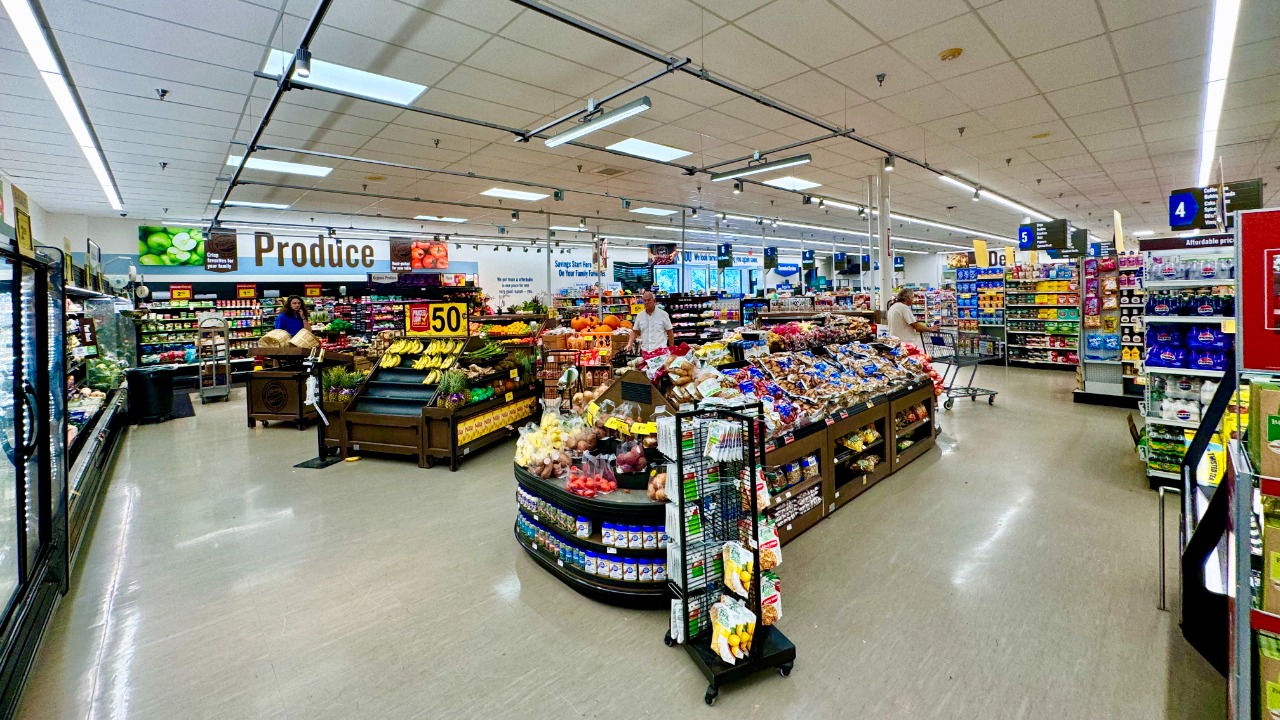
As grocery prices continue to rise, finding ways to stretch your budget is more important than ever. Shrinkflation, where product sizes decrease while prices remain the same, can make it feel like you’re getting less for your money. Fortunately, there are smart swaps you can make to combat this trend and keep your grocery bill in check. Here are nine effective grocery swaps that can help you fight shrinkflation.
Bulk Grains Over Pre-Packaged Cereals
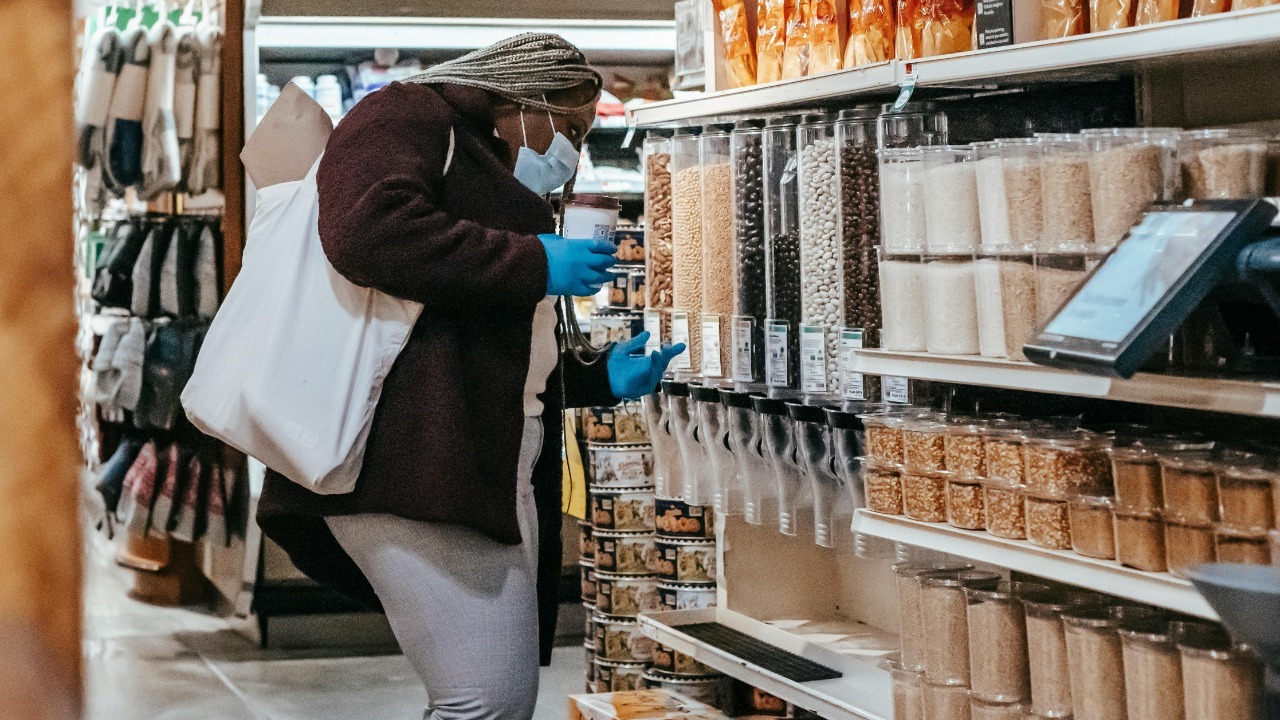
Switching to bulk grains like oats, rice, and quinoa can be a cost-effective alternative to pre-packaged cereals. These grains are often sold at a lower price per pound and can be bought in larger quantities, reducing packaging waste and saving money. Plus, they offer versatility in meals, from breakfast porridge to dinner side dishes.
By purchasing grains in bulk, you can also control portion sizes and reduce food waste. This approach not only helps your wallet but also supports a more sustainable lifestyle. For more tips on saving money at the grocery store, check out this NPR article.
Frozen Vegetables Instead of Fresh Produce
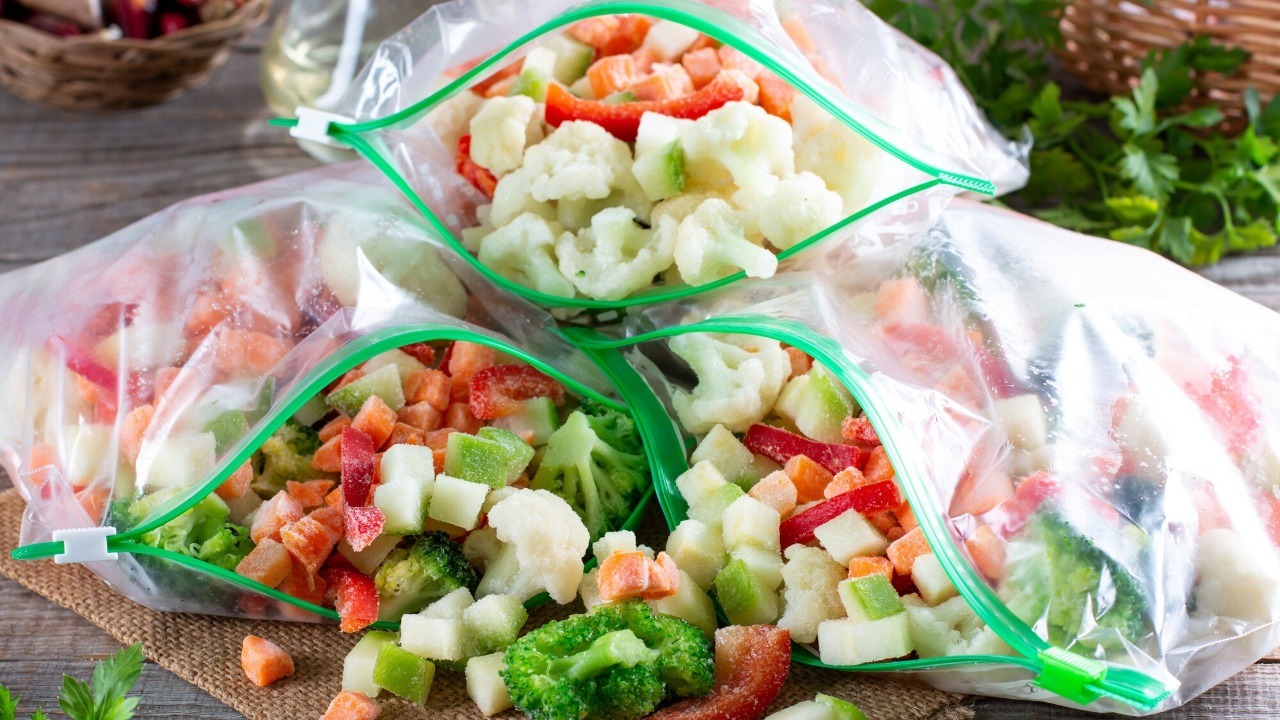
Frozen vegetables are a great alternative to fresh produce, especially when certain items are out of season. They are often picked and frozen at peak ripeness, preserving their nutritional value. Additionally, frozen veggies can be more affordable and have a longer shelf life, reducing the risk of spoilage.
Incorporating frozen vegetables into your meals can also save time in the kitchen, as they are pre-washed and pre-cut. This convenience makes it easier to prepare healthy meals without breaking the bank.
Generic Brands in Place of Name Brands
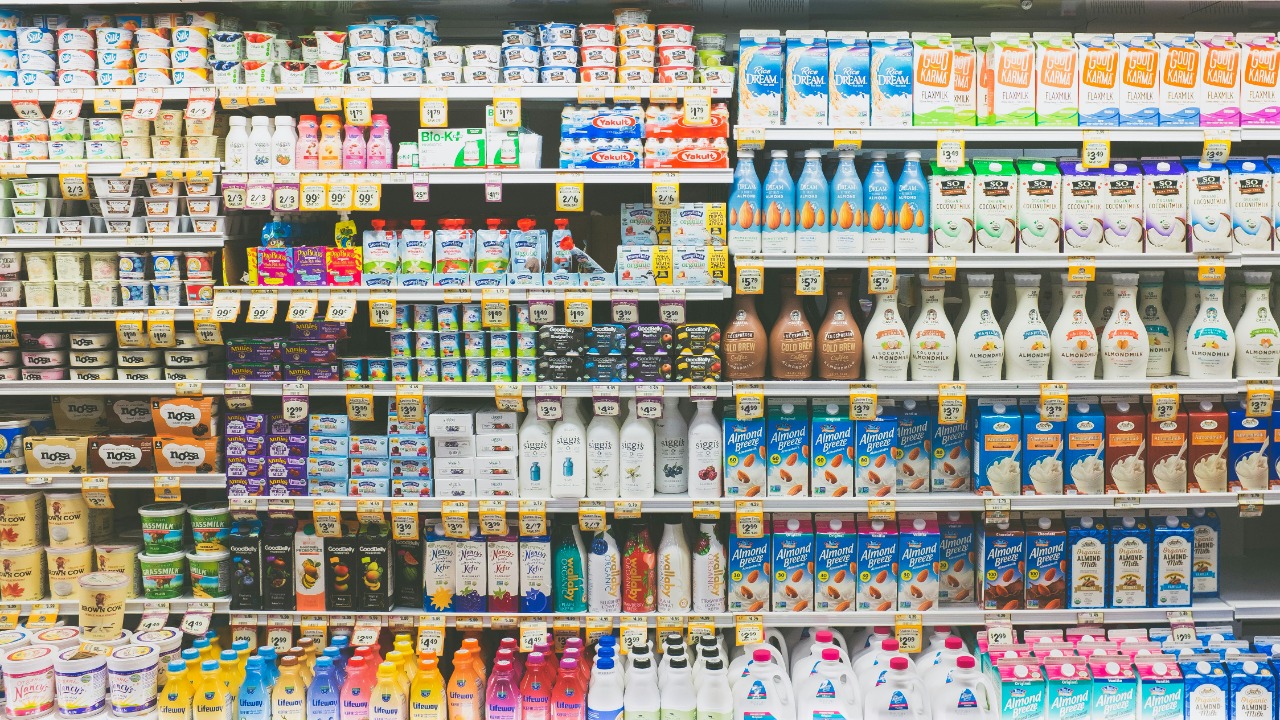
Opting for generic or store brands instead of name brands can lead to significant savings. Many generic products are made by the same manufacturers as their branded counterparts, offering similar quality at a lower price. This swap can apply to a wide range of items, from pantry staples to household goods.
When shopping, compare the ingredients and nutritional information of generic and name-brand products to ensure you’re getting the best value. Often, the only difference is the packaging and price.
Dried Beans Versus Canned Beans
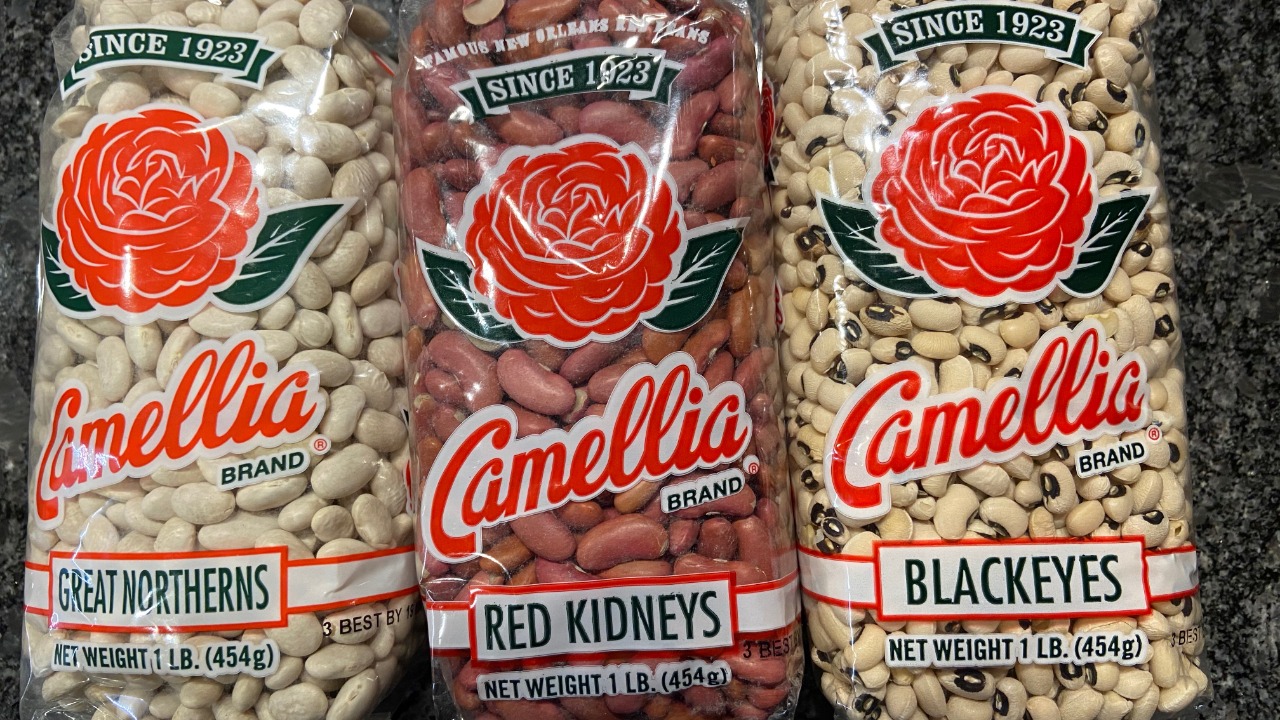
Dried beans are a budget-friendly alternative to canned beans, offering more servings per package. While they require a bit more preparation, such as soaking and cooking, the cost savings are worth the extra effort. Dried beans also allow you to control the sodium content, making them a healthier option.
Cooking a large batch of dried beans and freezing portions for later use can be a convenient way to have them on hand for soups, stews, and salads. This method not only saves money but also reduces waste from single-use cans.
Whole Chickens Rather Than Chicken Parts
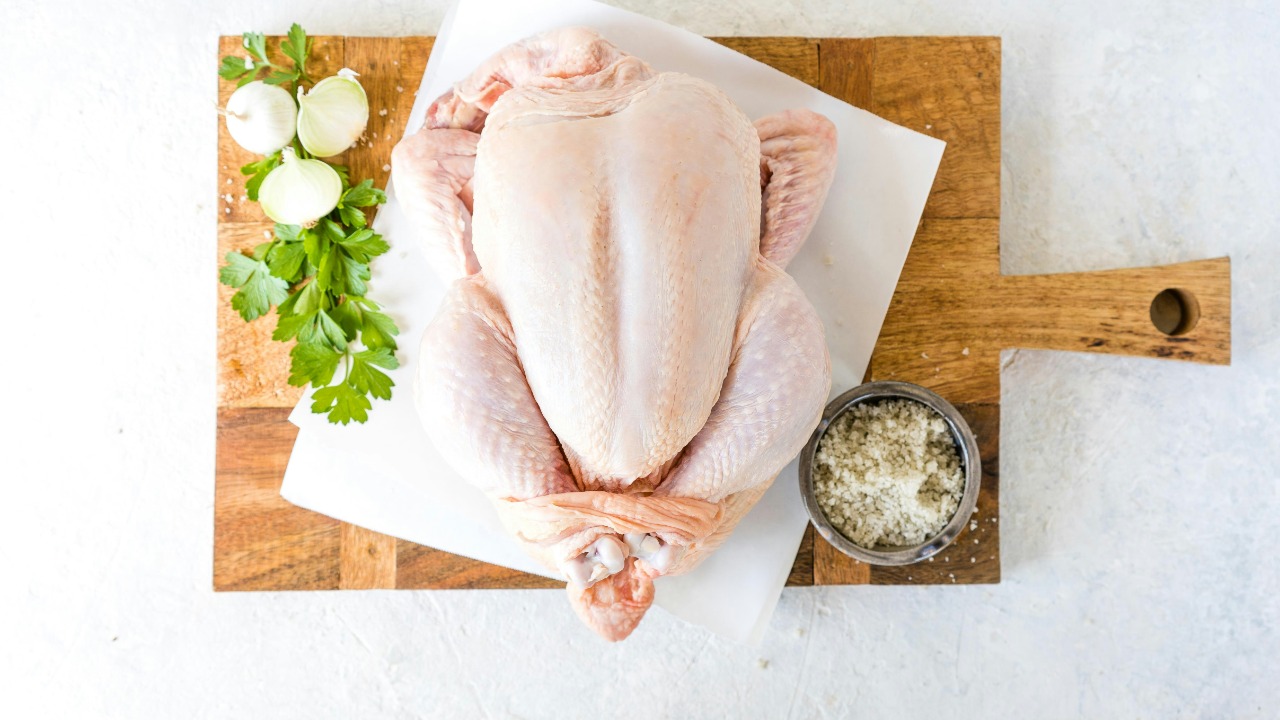
Purchasing whole chickens instead of pre-cut parts can be a more economical choice. Whole chickens are typically priced lower per pound and provide multiple meals. You can roast the chicken for dinner and use the leftovers for sandwiches, salads, or soups.
Additionally, making homemade chicken stock from the bones is a great way to maximize your purchase. This approach not only stretches your dollar but also enhances the flavor of your dishes.
Reusable Bags Instead of Disposable Bags
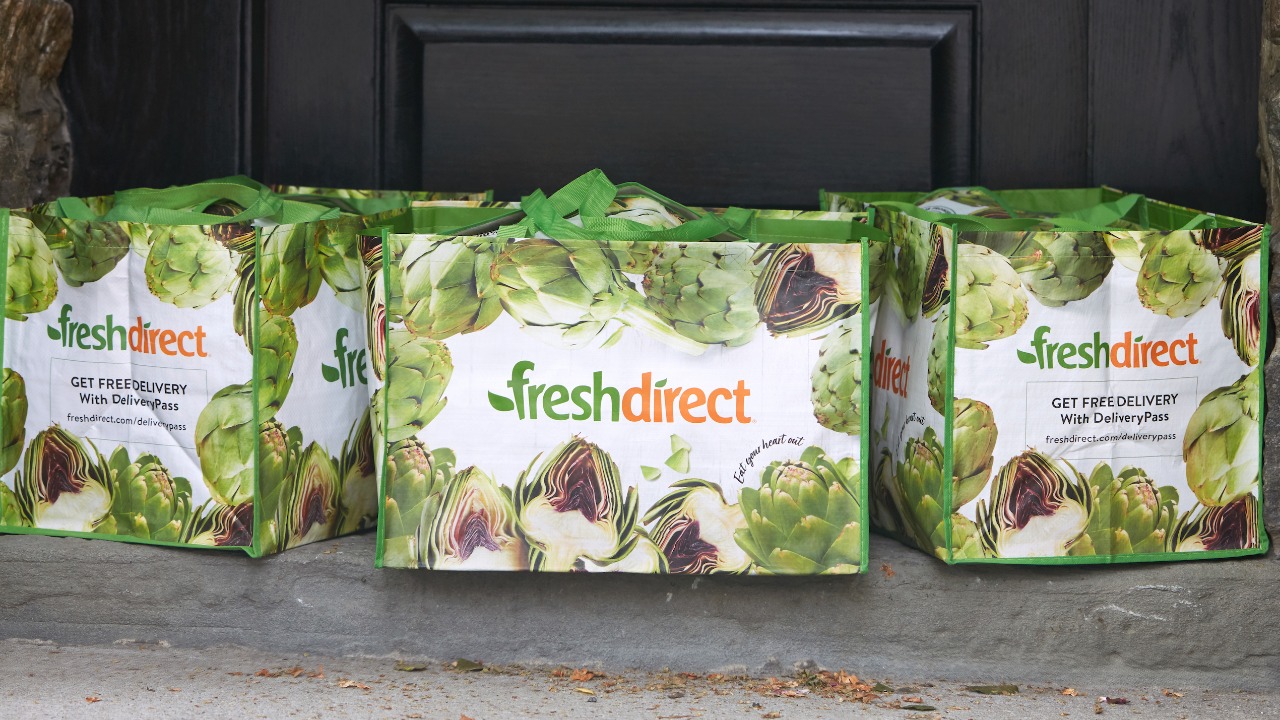
Investing in reusable bags can save money in the long run and reduce environmental impact. Many stores offer discounts for bringing your own bags, and some have started charging for disposable ones. Reusable bags are sturdier and can hold more items, making them a practical choice for grocery shopping.
By consistently using reusable bags, you contribute to reducing plastic waste and promote a more sustainable shopping experience. This small change can have a big impact over time.
Tap Water Over Bottled Water
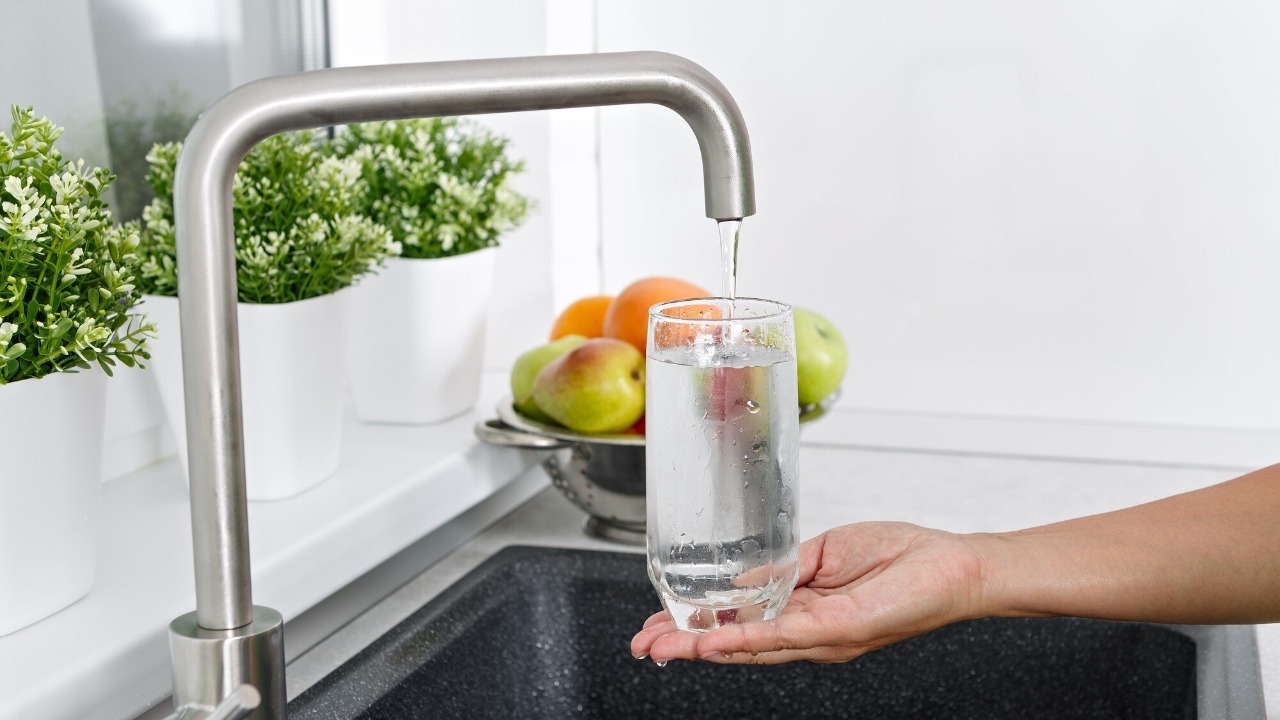
Choosing tap water instead of bottled water is a simple way to cut costs and reduce plastic waste. Most tap water in the U.S. is safe to drink and can be filtered for improved taste. Investing in a reusable water bottle allows you to stay hydrated on the go without the recurring expense of bottled water.
Making this swap not only saves money but also supports environmental efforts to reduce single-use plastics. It’s a win-win for your wallet and the planet.
Homemade Snacks in Lieu of Packaged Snacks

Preparing homemade snacks can be a healthier and more economical alternative to buying packaged snacks. Items like granola bars, trail mix, and popcorn can be made at home with simple ingredients, allowing you to control the sugar and salt content.
Homemade snacks often cost less per serving and can be customized to suit your taste preferences. This swap encourages creativity in the kitchen and helps you avoid the hidden costs of convenience foods.
In-Season Fruits Over Out-of-Season Imports
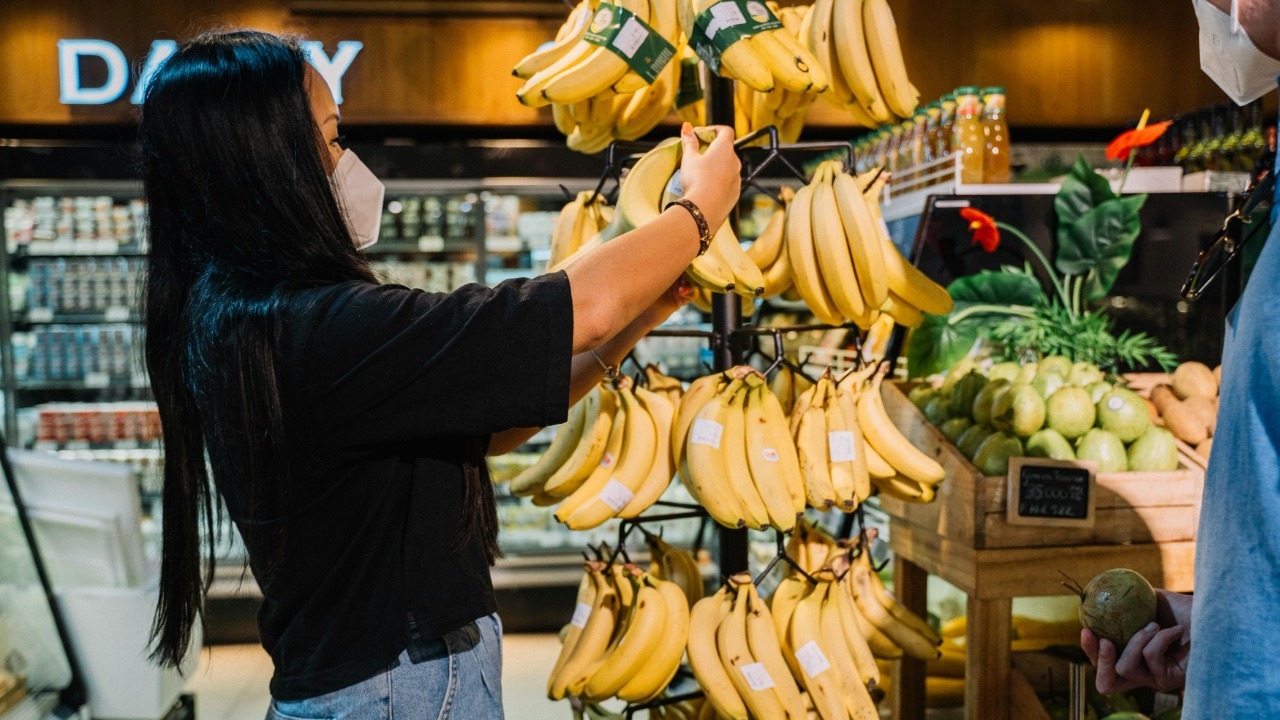
Buying in-season fruits is a cost-effective way to enjoy fresh produce at its peak flavor. In-season fruits are typically more abundant and less expensive than out-of-season imports, which often incur higher transportation costs.
Shopping at local farmers’ markets or joining a community-supported agriculture (CSA) program can provide access to fresh, seasonal produce while supporting local farmers. This approach not only saves money but also promotes sustainable agriculture practices.

Cole Whitaker focuses on the fundamentals of money management, helping readers make smarter decisions around income, spending, saving, and long-term financial stability. His writing emphasizes clarity, discipline, and practical systems that work in real life. At The Daily Overview, Cole breaks down personal finance topics into straightforward guidance readers can apply immediately.
