
It’s easy to lose track of where your money goes, especially with small expenses that add up over time. Identifying and addressing these quiet money leaks can significantly improve your financial health. Here are nine areas where you might be losing money without realizing it, and how you can stop the drain.
1. Unused Subscription Services

Many of us subscribe to services like Netflix, Spotify, or a gym membership, only to forget about them over time. These recurring charges can quietly drain your bank account if left unchecked. Take a moment to review your bank statements and identify any subscriptions you no longer use. Canceling these can free up funds for more important expenses or savings.
Consider using apps like Truebill to track and manage your subscriptions. These tools can help you identify unused services and make it easier to cancel them, ensuring you’re only paying for what you actually use.
2. Automatic Renewals on Unnecessary Services

Automatic renewals can be convenient, but they can also lead to paying for services you no longer need. Whether it’s an annual magazine subscription or a software license, these charges can sneak up on you. Set reminders to review these services before they renew, giving you the chance to cancel or negotiate better rates.
For instance, if you have an antivirus software subscription, check if your needs have changed or if there are free alternatives available. This proactive approach can save you money and ensure you’re not paying for outdated or unnecessary services.
3. Overlooked Bank Fees

Bank fees, such as overdraft charges or monthly maintenance fees, can add up quickly. These fees often go unnoticed until they become a significant expense. Review your bank’s fee schedule and consider switching to a bank that offers fee-free accounts or lower charges.
Many banks, like Ally or Chime, offer accounts with no monthly fees or minimum balance requirements. Switching to such banks can help you avoid unnecessary charges and keep more money in your pocket.
4. Neglected Utility Wastage

Leaving lights on, running the air conditioner unnecessarily, or having inefficient appliances can lead to higher utility bills. Conduct an energy audit of your home to identify areas where you can reduce consumption. Simple changes, like switching to LED bulbs or using a programmable thermostat, can lead to significant savings.
Additionally, consider unplugging devices when not in use, as many electronics consume power even when turned off. These small adjustments can make a noticeable difference in your monthly utility expenses.
5. Impulse Online Purchases

Online shopping makes it easy to buy on impulse, often leading to unnecessary spending. To curb this habit, implement a 24-hour rule: wait a day before making a purchase to determine if it’s truly necessary. This pause can help you avoid buyer’s remorse and keep your budget in check.
Using browser extensions like Honey or CamelCamelCamel can also help you find the best deals and track price changes, ensuring you get the most value for your money when you do decide to buy.
6. Unredeemed Gift Cards
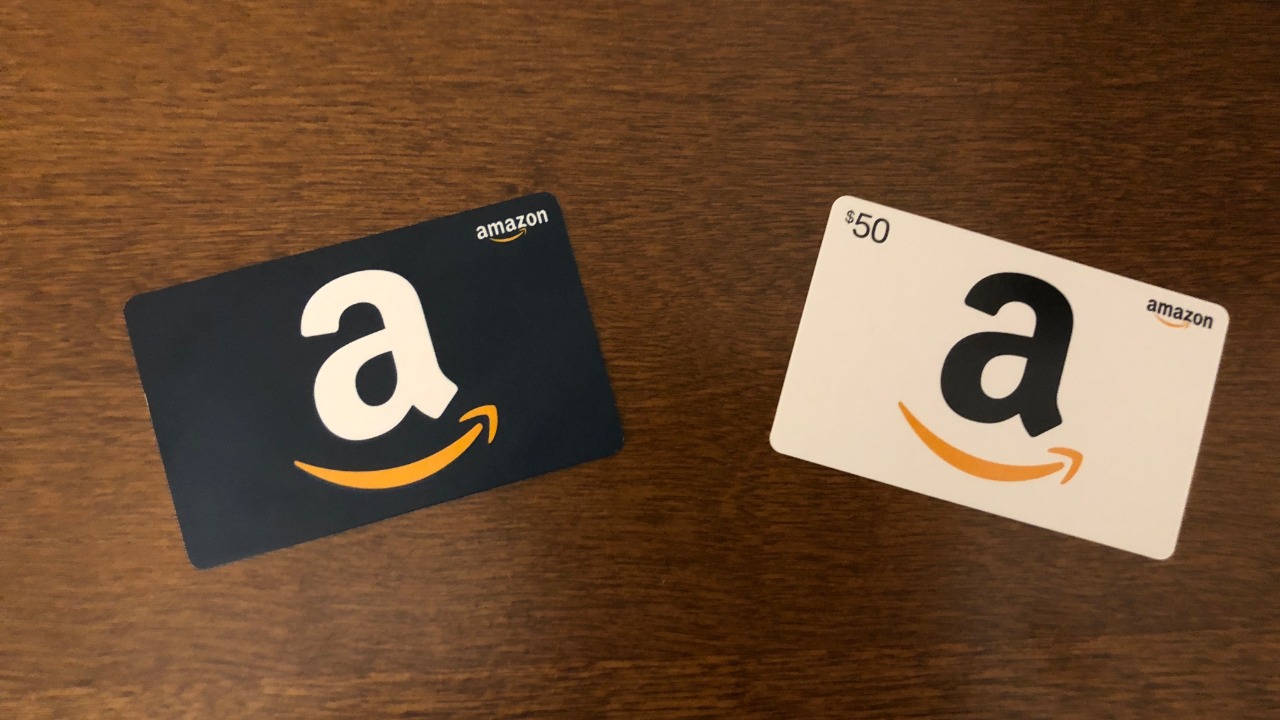
Gift cards are a popular present, but many go unredeemed, leaving money on the table. Keep track of your gift cards and use them before they expire. If you have cards you don’t plan to use, consider selling them on platforms like CardCash or Raise to recoup some of their value.
Organizing your gift cards in a dedicated app or wallet can help you remember to use them, turning potential waste into savings.
7. Unmonitored Credit Card Interest Rates
High interest rates on credit cards can lead to substantial financial burdens if not managed properly. Regularly review your credit card statements and consider transferring balances to a card with a lower interest rate or a 0% introductory offer.
Negotiating with your credit card company for a lower rate can also be effective. A simple phone call can sometimes result in reduced rates, saving you money on interest payments over time.
8. Inefficient Grocery Shopping Habits

Grocery shopping without a plan can lead to overspending and food waste. Create a shopping list based on meal plans and stick to it to avoid impulse buys. Additionally, consider buying in bulk for items you use frequently, as this can often lead to savings.
Using apps like Ibotta or Checkout 51 can also help you earn cash back on grocery purchases, further stretching your budget.
9. Forgotten Membership Dues

Memberships to clubs, organizations, or professional associations can be easy to forget, especially if they’re billed annually. Review these memberships to determine if they still provide value. If not, cancel them to avoid unnecessary expenses.
Set calendar reminders for renewal dates to reassess the value of each membership. This practice ensures you’re only paying for memberships that benefit you, freeing up funds for other priorities.

Cole Whitaker focuses on the fundamentals of money management, helping readers make smarter decisions around income, spending, saving, and long-term financial stability. His writing emphasizes clarity, discipline, and practical systems that work in real life. At The Daily Overview, Cole breaks down personal finance topics into straightforward guidance readers can apply immediately.

