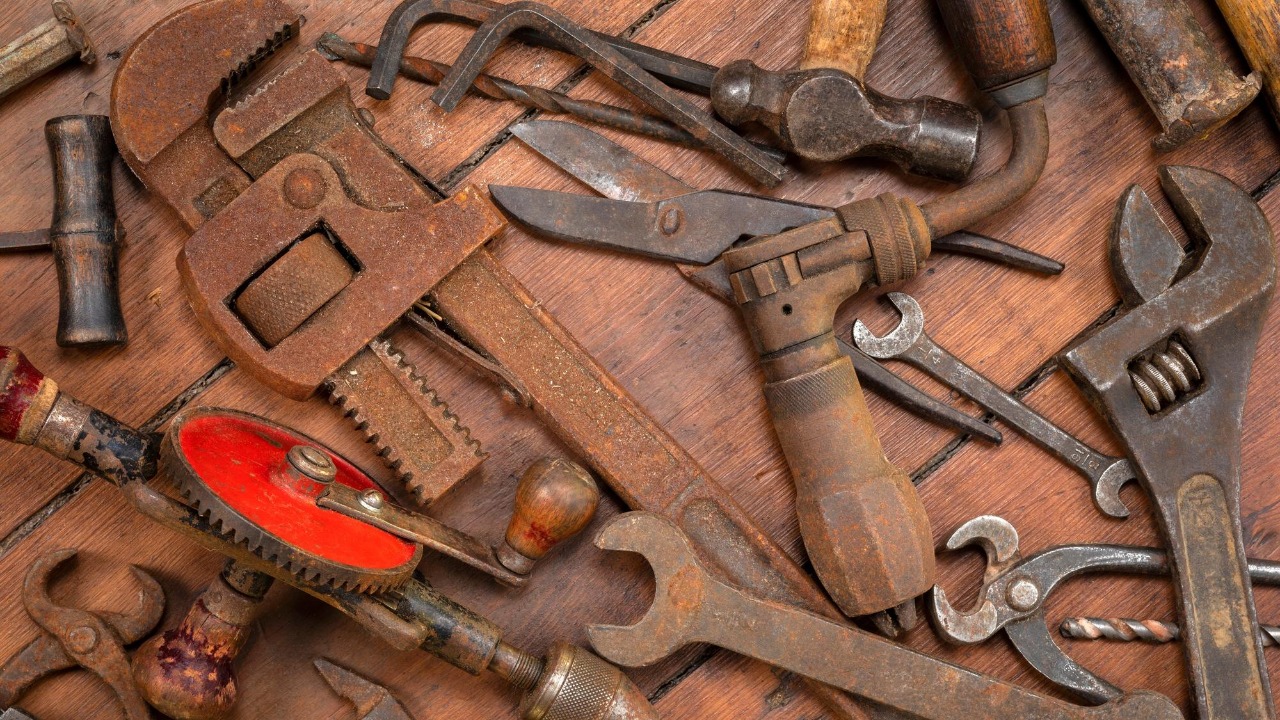
Buying used tools can be a smart way to save money while still getting the job done. However, it’s crucial to know what to look for to ensure you’re making a wise investment. Here are nine rules to follow when purchasing secondhand tools.
1. Research the Tool’s Market Value

Before making a purchase, I always research the tool’s current market value. Websites like Popular Mechanics offer insights into fair pricing, helping me avoid overpaying. I compare prices from various retailers and online platforms to establish a baseline. Understanding the typical cost of a new tool versus a used one is invaluable in negotiations.
Sometimes, specialty tools may have limited information available. In these cases, I rely on forums and reviews to gauge value. This diligence helps me make informed offers and ensures I’m getting a fair deal.
2. Inspect for Wear and Damage

When examining a used tool, I closely inspect it for signs of wear and damage. I look for cracks, rust, or any other issues that could affect performance. It’s essential to check moving parts and ensure they function smoothly. For example, a table saw should have a flat, undamaged surface and a clean blade.
Physical inspection can reveal issues that sellers might not disclose. If I notice excessive wear, it may indicate that the tool was not well-maintained, which can lead to problems down the line.
3. Test Functionality On-Site
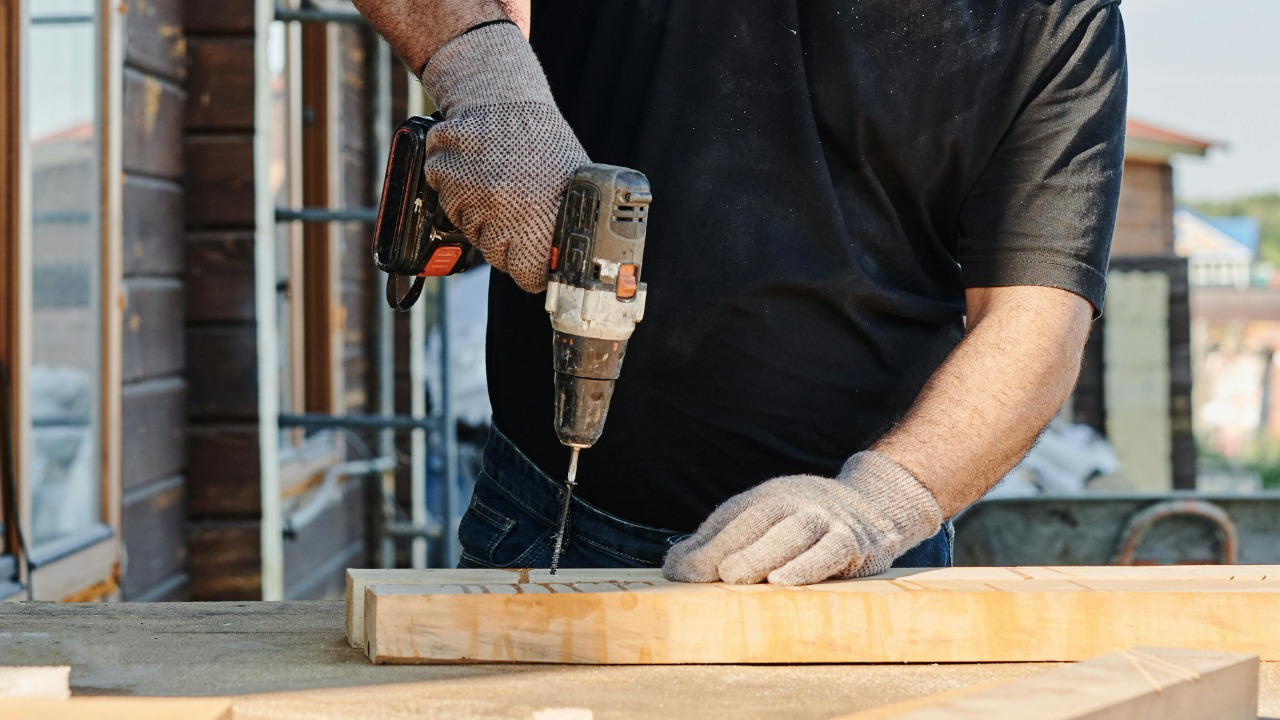
Testing the tool’s functionality on-site is a step I never skip. Whether it’s a power drill or a hand saw, I make sure it operates as expected. If possible, I bring a small piece of wood or other material to test its cutting or drilling capability.
This hands-on approach helps me confirm that the tool is in working order and meets my needs. If a seller refuses to allow a test, it may be a red flag indicating potential issues.
4. Verify Brand Reputation
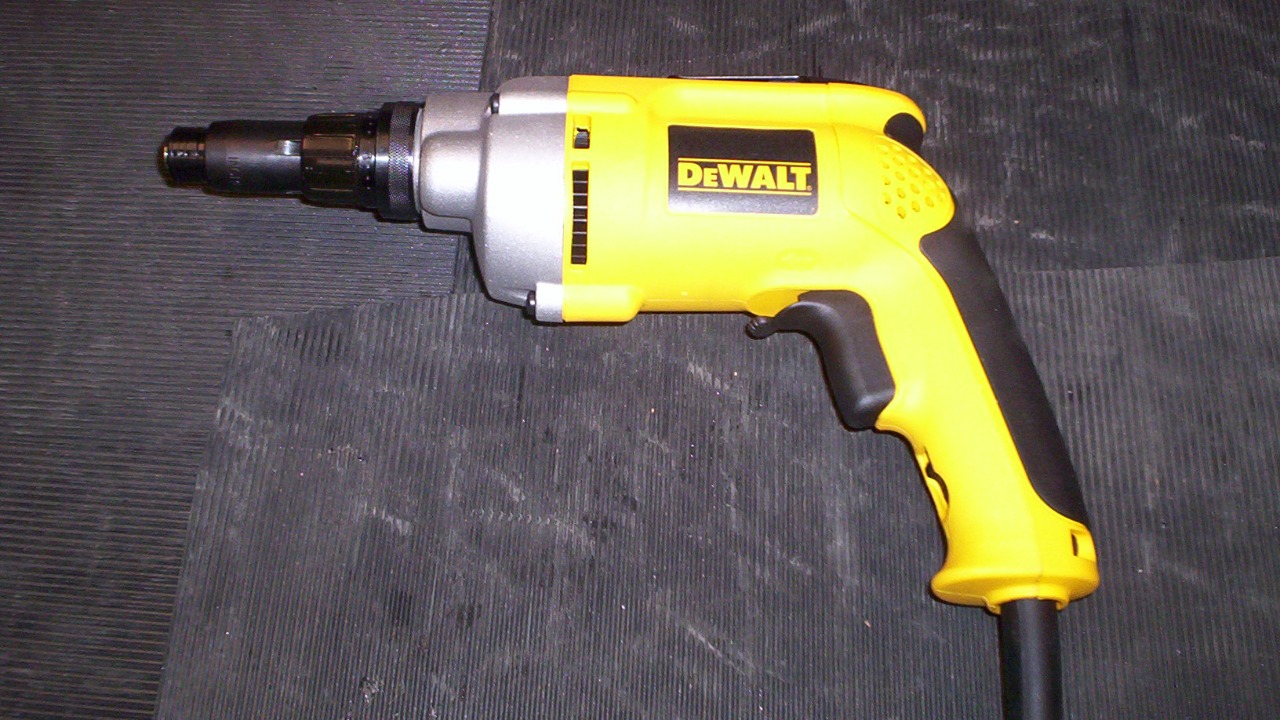
Brand reputation plays a significant role in my decision-making process. I prefer brands known for durability and reliability, such as DeWalt or Milwaukee. Researching online reviews and forums can also provide insights into a brand’s reputation.
Reputable brands often have better-built tools, which means they are more likely to withstand the test of time. By investing in a trusted brand, I’m more confident in the tool’s performance and longevity.
5. Check for Missing Parts or Accessories
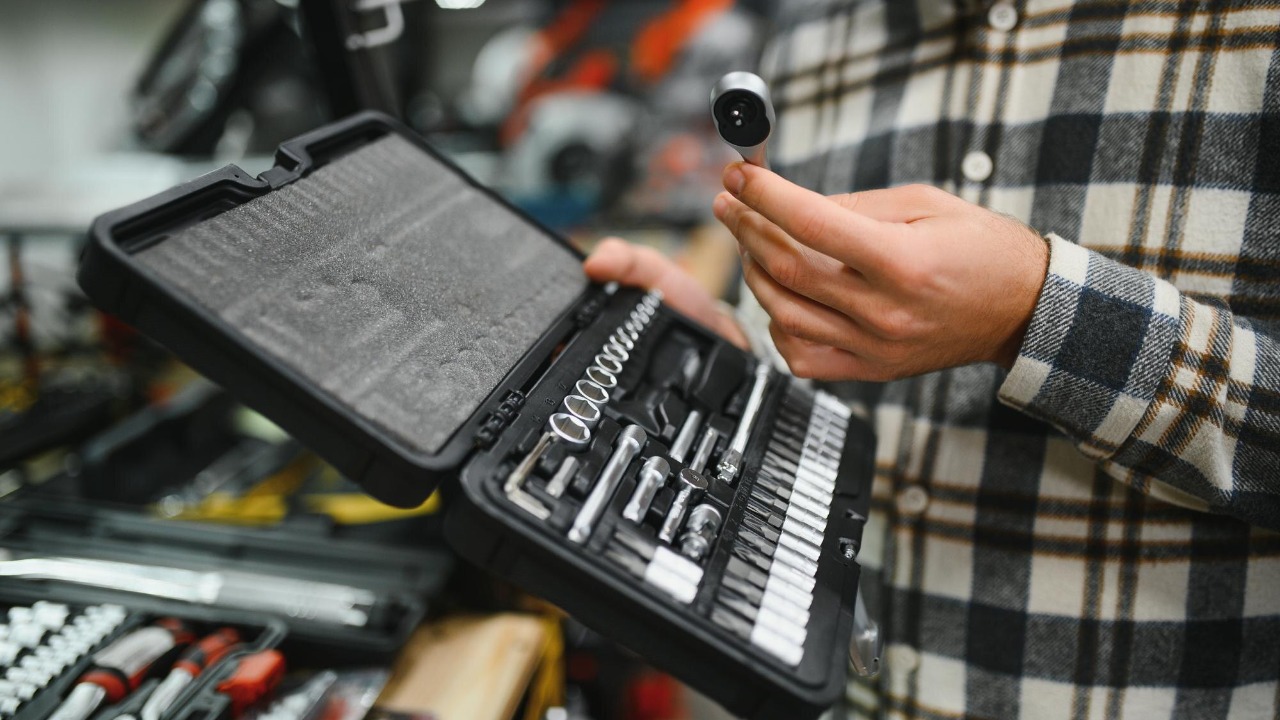
Before finalizing a purchase, I always check for missing parts or accessories. This is crucial because missing components can lead to additional costs or render the tool unusable. I make a checklist of required parts and accessories for each tool I’m considering.
If anything is missing, I factor the cost of replacements into my decision. In some cases, I may decide not to proceed with a purchase if the missing parts are too expensive or hard to find.
6. Evaluate the Seller’s Credibility
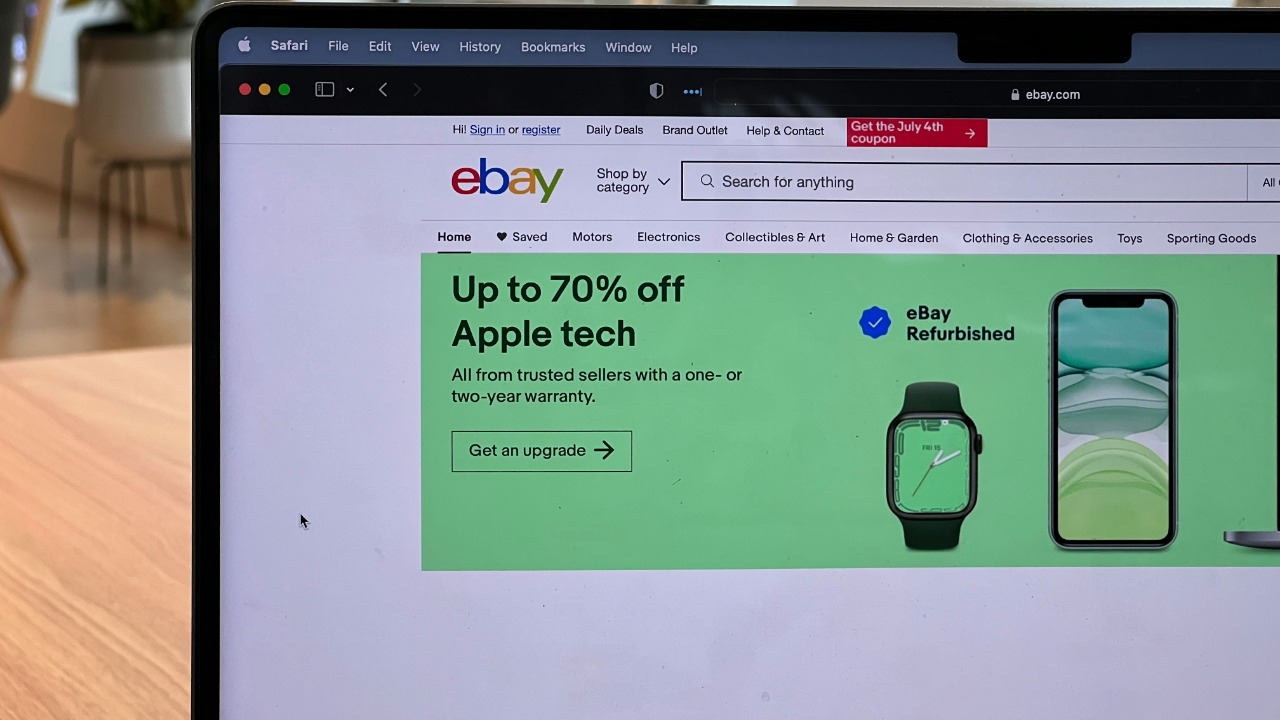
Evaluating the seller’s credibility is essential for a successful transaction. I look for sellers with positive feedback or reviews on platforms like eBay or Facebook Marketplace. A reliable seller is more likely to provide accurate descriptions and fair prices.
For more assurance, I may ask the seller questions about the tool’s history and request additional photos. A trustworthy seller will be transparent and responsive, making the buying process smoother.
7. Compare Prices from Multiple Sources

Comparing prices from multiple sources ensures I get the best deal. I check online marketplaces, local classifieds, and even garage sales for different offers. This strategy provides a comprehensive view of the tool’s market standing.
Sometimes, I find that local sellers offer competitive prices compared to online retailers. By exploring various options, I maximize my chances of finding a great bargain.
8. Consider Age and Usage History
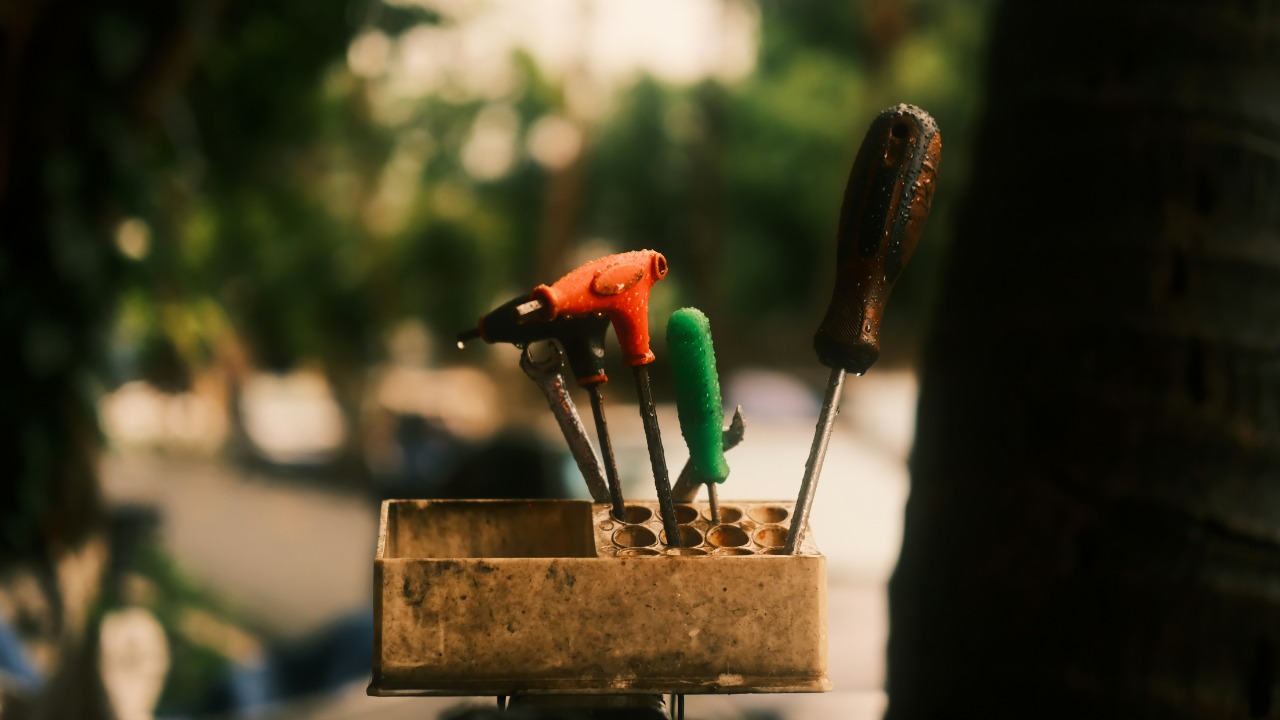
The age and usage history of a tool can significantly impact its value and performance. I ask sellers about how long they’ve owned the tool and how frequently it was used. Tools with heavy usage may have more wear and tear, affecting their lifespan.
Understanding a tool’s history helps me assess its condition and potential longevity. If a tool has been lightly used and well-maintained, it’s more likely to serve me well in the long run.
9. Review Return and Warranty Policies

Lastly, I review the return and warranty policies before buying a used tool. Some sellers offer warranties or return options, providing peace of mind in case the tool doesn’t meet expectations. For instance, certain retail platforms may provide a limited return window.
Having a warranty or return policy can be a safety net against unforeseen issues. If a tool fails to perform, I have the option to return or exchange it, ensuring my investment is protected.

Cole Whitaker focuses on the fundamentals of money management, helping readers make smarter decisions around income, spending, saving, and long-term financial stability. His writing emphasizes clarity, discipline, and practical systems that work in real life. At The Daily Overview, Cole breaks down personal finance topics into straightforward guidance readers can apply immediately.

