
Identifying when a side hustle can transition into a scalable business can be the key to unlocking new opportunities. It’s essential to recognize the right signs that indicate your venture is ready to grow beyond its current limits. By examining specific markers, you can make informed decisions about investing more time and resources.
1. Strong Demand in the Market
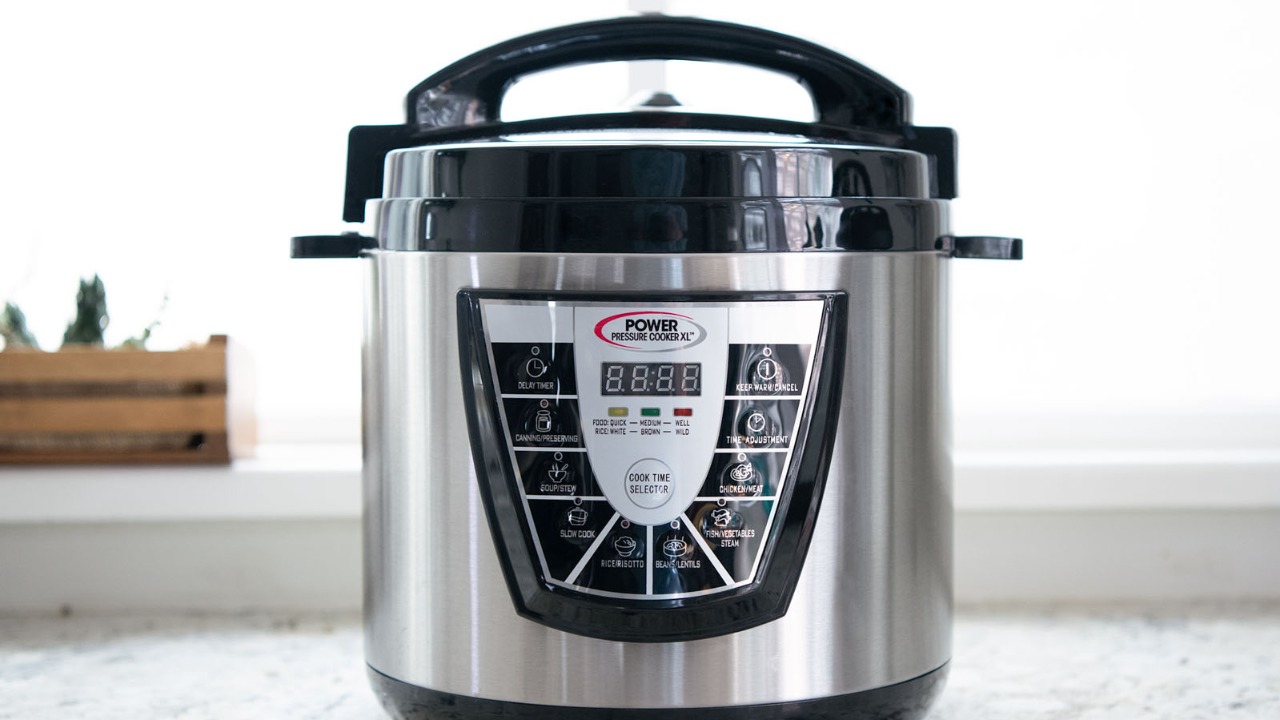
A clear indication that your side hustle can scale is a strong demand in the market. If you consistently see an increasing number of inquiries and sales without significant marketing efforts, this is a positive sign. For example, products like the Instant Pot gained popularity through word-of-mouth before becoming a household name. Identifying a niche where demand exceeds supply can set the stage for growth.
Conducting market research can help you understand if your product or service meets a growing demand. Utilize tools like Google Trends or social media analytics to gauge interest levels. A side hustle that aligns with emerging trends has a better chance of scaling successfully.
2. Consistent Revenue Growth
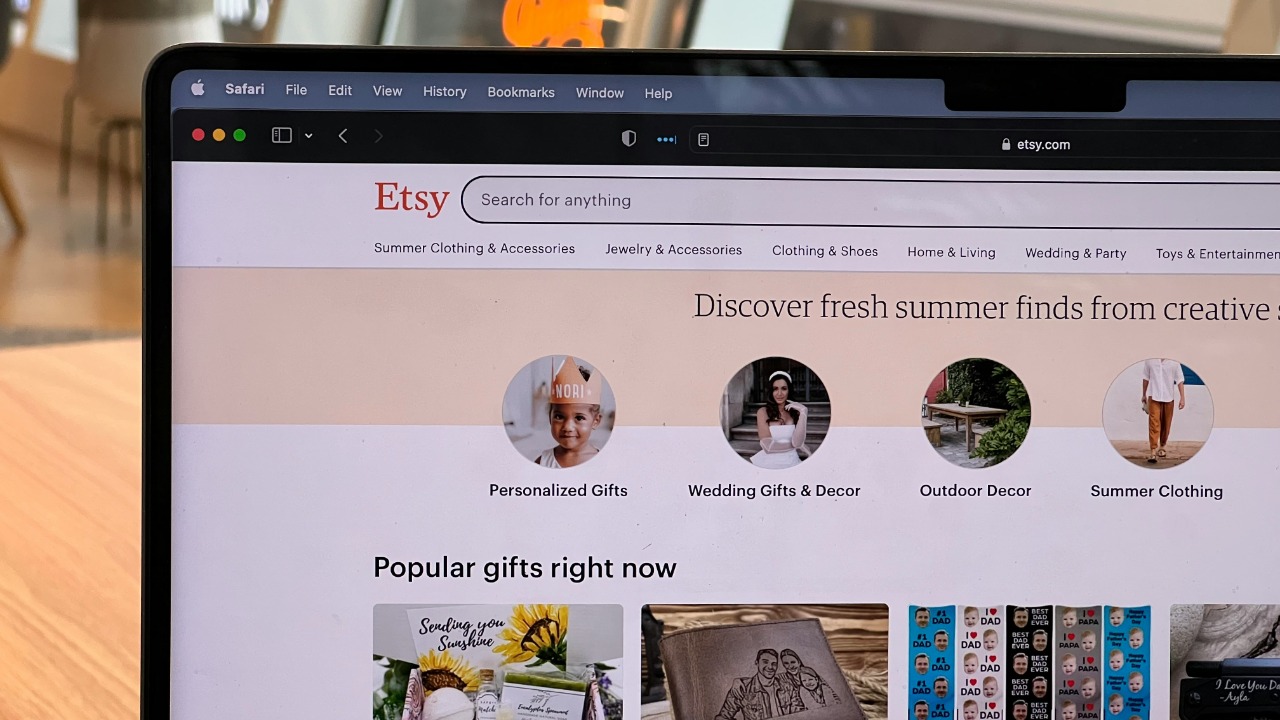
Tracking consistent revenue growth is crucial for assessing scalability. If your side hustle generates steady income increases month over month, it’s a promising sign. Consider how platforms like Etsy have enabled artists and creators to expand their reach and revenue.
Analyze your financial statements to identify whether the growth is sustainable. By understanding the factors contributing to revenue increases, you can better strategize for future expansion. Consistent growth suggests a stable business foundation, making it easier to attract investors or secure loans.
3. Positive Customer Feedback

Receiving positive customer feedback is a strong indicator that your side hustle is on the right track. Testimonials, reviews, and repeat customers show that your product or service resonates well with the audience. Brands that listen to their customers, like Zappos, often find success in scaling.
Encourage feedback through surveys or direct communication to understand what customers appreciate and what can be improved. Harness this information to refine your offerings, ensuring that your side hustle meets market needs effectively.
4. Ability to Automate Processes

Scalability often hinges on the ability to automate processes. When tasks that consume time can be automated, it frees up resources to focus on growth. For instance, using tools like Mailchimp for email marketing or QuickBooks for accounting can streamline operations.
Identify repetitive tasks that can be automated without sacrificing quality. This not only improves efficiency but also reduces the risk of errors. Automation enables you to handle increased volumes without proportionally increasing costs, a key factor for scaling.
5. Low Customer Acquisition Cost

Achieving a low customer acquisition cost (CAC) is vital for scalability. If you’re able to attract new customers without significant expenses, it suggests a strong value proposition. Companies like Dropbox have famously used referral programs to keep CAC low while expanding.
Analyze your marketing efforts to ensure they are cost-effective. Experiment with different channels to find what works best for your audience. A low CAC allows for more flexible budget allocation, supporting further growth initiatives.
6. High Profit Margins

High profit margins provide the necessary cushion to reinvest in your side hustle for growth. If you’re able to maintain healthy margins even as sales increase, it indicates a scalable model. Luxury brands, for example, often enjoy high margins and have the resources to expand globally.
Regularly review your pricing strategies and cost structures to ensure margins remain robust. This financial stability will be crucial when faced with challenges or opportunities that require investment.
7. Scalable Business Model

A scalable business model can accommodate increased demand without a linear increase in costs. Subscription services like Netflix have mastered this by providing content to millions with relatively low incremental costs.
Evaluate whether your current model can handle growth. Consider factors such as supply chain capabilities, technology infrastructure, and workforce management. A model that scales efficiently will support your ambition to grow the side hustle into a full-fledged business.
8. Diversified Income Streams

Having multiple income streams reduces risk and enhances scalability. If your side hustle can branch out into related products or services, it opens new revenue channels. Amazon started with books but quickly diversified into various product categories.
Explore complementary offerings that align with your core business. This not only provides financial stability but also increases your market presence. Diversification can safeguard against market fluctuations and ensure sustained growth.
9. Expanding Industry Trends

Aligning with expanding industry trends can propel your side hustle forward. Industries experiencing rapid growth present opportunities if your business is well-positioned. Consider how the rise of remote work boosted platforms like Zoom.
Stay informed about industry developments through trade publications, conferences, and networking. Understanding the trajectory of your industry allows you to pivot or expand strategically, increasing the likelihood of successful scaling.

Cole Whitaker focuses on the fundamentals of money management, helping readers make smarter decisions around income, spending, saving, and long-term financial stability. His writing emphasizes clarity, discipline, and practical systems that work in real life. At The Daily Overview, Cole breaks down personal finance topics into straightforward guidance readers can apply immediately.
