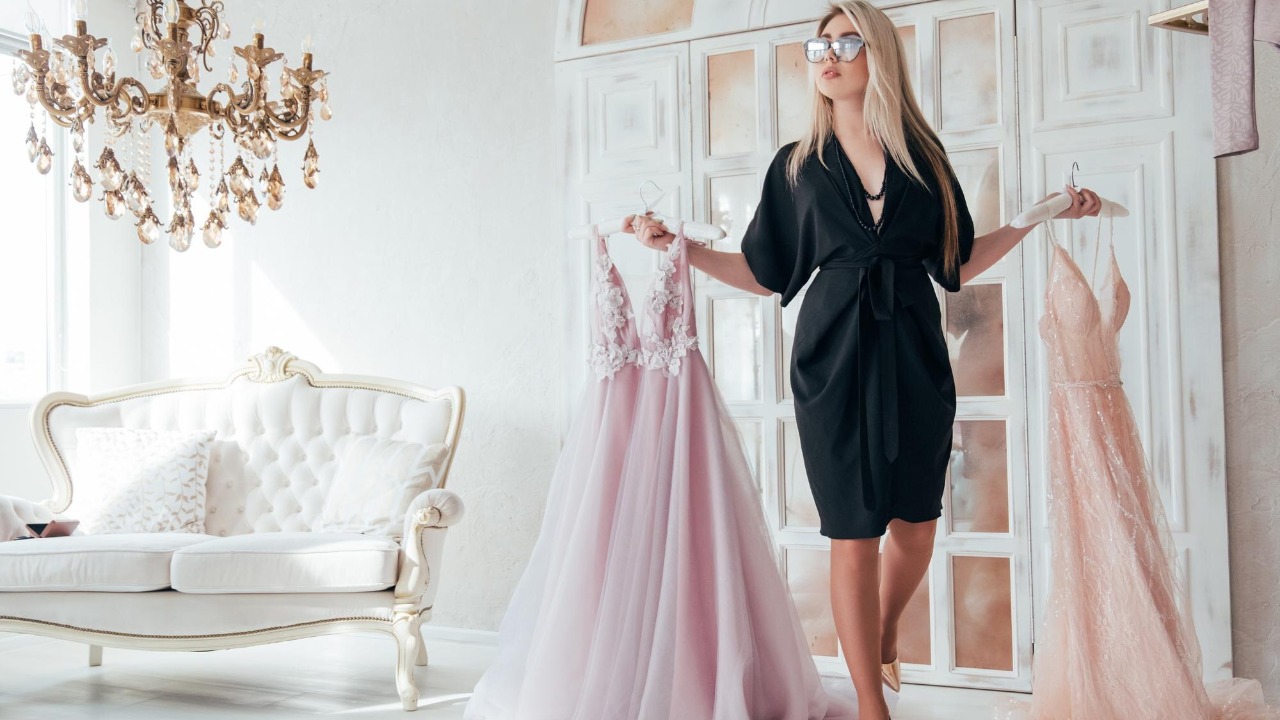
From couture fashion to the roof over your head, the rental economy has quietly expanded into corners of life that used to be all about ownership. I see people now renting items that would have seemed outlandish a decade ago, using short-term access to stretch budgets, experiment with style, and reduce waste. Here are nine surprising things people rent instead of buy, and what that shift reveals about how we live and spend.
1) Designer Handbags
Designer handbags are one of the clearest examples of how luxury has become rentable. High-end fashion subscription platforms explicitly promote the idea that even if you cannot buy that dream accessory outright, you can still carry it for a week, a month, or a season through curated clothing rental services. These services stock premium labels and rotate inventory so a single bag can move from one subscriber to the next, turning what used to be a major one-time purchase into a recurring, bite-size fee. The appeal is obvious for anyone who wants a statement piece for a wedding, job interview, or vacation without committing to the full retail price.
The cultural shift is visible even in casual conversations, where users admit, as one discussion put it, “Call me silly, but I didn’t know people rent bags,” before learning that, as another commenter replied, “There’s always been clothing and handbags/purse rental services” and name-checking “Bag, Borrow, and Steal” as proof that “Literally, anything you want, you can rent” through platforms like Bag, Borrow, and Steal. For brands and renters alike, the stakes are significant: luxury labels gain exposure to new customers, while consumers trade ownership for flexibility, testing whether access to status symbols is enough without the long-term responsibility of caring for a delicate, expensive bag.
2) Luxury Dresses
Luxury dresses, especially those suited to black-tie events or red-carpet moments, are now more likely to be rented than bought outright. Platforms that specialize in fashion subscriptions highlight that you can enjoy high-end dresses through the same Rent the Runway style model that offers “a massive rotating collection of designer pieces” ranging from casual looks to more formal outfits. Instead of paying full price for a gown that might be worn once and then relegated to the back of a closet, renters pay a fraction of the cost, wear the dress for a specific occasion, and send it back for professional cleaning and the next user.
For consumers, the implications go beyond saving money. Renting luxury dresses allows people to experiment with silhouettes, colors, and designers they might never risk buying, especially when trends shift quickly. It also reduces the environmental footprint associated with one-and-done outfits, since a single garment can circulate through multiple wardrobes. For designers and rental platforms, the model turns each dress into a long-term asset, generating repeated revenue and data on what styles resonate, while subtly redefining what it means to “own” a look in an era when social media photos, not closets, are the main record of what we wear.
3) Formal Suits
Formal suits, for both men and women, have long been a staple of the rental world, but the category has expanded far beyond traditional tuxedo shops. Modern fashion subscription platforms now include tailored blazers, sharp trousers, and full suiting options within their broader Even If You Can approach to wardrobes, where the message is that “Buy That Designer Bag” is optional because “You Can Definitely Rent It” instead. That same logic applies to suits: rather than investing in a high-end ensemble that might only be worn for a handful of weddings, job interviews, or conferences, renters can access premium tailoring for specific dates.
The stakes are particularly high for people in transitional moments, such as recent graduates or career changers, who may need to look polished before they can afford to build a full professional wardrobe. Renting formal suits lets them match the dress code of high-stakes environments without taking on debt or settling for ill-fitting fast fashion. For the broader fashion ecosystem, this shift encourages brands to design pieces that can withstand repeated wear and cleaning, while rental companies refine fit data and logistics. The result is a more fluid relationship between consumers and clothing, where a power suit is a service you tap into, not a permanent fixture in your closet.
4) Designer Shoes
Designer shoes, from sky-high stilettos to runway-ready boots, have joined handbags and dresses in the rentable luxury category. Fashion subscription platforms that emphasize that even if you cannot buy that dream accessory outright, you can still access it through Download the Free App and Rent models now list “Dream Outfits from 800+ Designers & 150,000+ Dresses, Bags, and Accessories,” explicitly including footwear in their inventory. Those precise figures, “800” and “150,000,” underscore how extensive the selection has become, turning what used to be a rare splurge into something you can rotate in and out of your life as easily as a streaming playlist.
For renters, the appeal of designer shoes lies in both aesthetics and practicality. Special-occasion heels often sit unused after a single event, yet they take up space and require careful storage. Renting allows people to match shoes to specific outfits or themes, then return them before wear and tear sets in. It also lets style-conscious users test how certain brands fit and feel before committing to a purchase. On the industry side, the rental model incentivizes durable construction and careful maintenance, since each pair must survive multiple outings. That dynamic nudges fashion away from disposable trends and toward pieces built to last, even as they move from one closet to another.
5) Fashion Jewelry
Fashion jewelry, especially bold statement pieces, has become a natural fit for rental platforms that already specialize in high-impact, low-commitment style. Services that promote access to luxury wardrobes through Items that you can Consider Renting instead of Buying often group “Dress and Fashion accessories” together, signaling that necklaces, earrings, cuffs, and cocktail rings are as rentable as the outfits they complement. Instead of buying an ornate necklace that only works with one gown, renters can select jewelry tailored to each event, then swap it out for something entirely different next time.
This shift has real implications for both budgets and sustainability. Costume jewelry can be surprisingly expensive, especially when it follows fleeting trends, and cheaper pieces often tarnish or break after limited use. Renting lets people enjoy high-quality craftsmanship and distinctive designs without filling drawers with items that rarely see daylight. For designers and rental platforms, jewelry offers a compact, high-margin category that is easy to ship and store, making it an efficient way to expand offerings. It also encourages more thoughtful consumption, as users begin to see accessories as part of a flexible toolkit rather than permanent trophies, aligning personal style with a more circular approach to fashion.
6) Evening Gowns
Evening gowns, the kind associated with red carpets and gala fundraisers, are now emblematic of the rental revolution in fashion. Subscription services that promise that your fantasy wardrobe is within reach use the same logic that applies when they say that even if you cannot buy that dream accessory, you can still rent it through curated Buy That Designer Bag experiences, extending that promise to floor-length gowns. Instead of spending a significant sum on a dress that might never be worn again, renters can browse a catalog of silhouettes, fabrics, and designers, then book a gown for a specific date and return it afterward.
The stakes are particularly visible in social settings where photos live online indefinitely. Many people feel pressure not to repeat outfits at major events, which makes ownership of multiple gowns both costly and wasteful. Renting solves that tension by decoupling variety from accumulation: you can appear in a different look at each event without filling your closet or your credit card statement. For rental companies, evening gowns are a showcase category that demonstrates the value of their model, while for designers, it offers a way to keep archival or seasonal pieces in circulation. The result is a more dynamic, less wasteful approach to occasion wear, where glamour is a service rather than a sunk cost.
7) Designer Accessories
Designer accessories, including belts, scarves, and small leather goods, round out the list of fashion items that people increasingly rent instead of buy. Platforms that frame their offerings as a way to access a “fantasy wardrobe” make it clear that the same principle that lets you rent a coveted bag also applies to the finishing touches that define an outfit, all bundled into comprehensive things you should rent strategies. By treating accessories as rentable, these services allow users to experiment with logos, colors, and textures that might feel too bold or too expensive to purchase outright.
For consumers, renting accessories changes how they think about personal style. Instead of building a permanent collection of belts and scarves, they can rotate pieces to match seasons, trends, or specific events, keeping their look fresh without constant shopping. This model also lowers the barrier to trying iconic items from major fashion houses, which can be prohibitively priced at retail. On the business side, accessories are relatively low-risk inventory: they are less prone to sizing issues and can withstand repeated use. That makes them ideal for rental platforms seeking to maximize both variety and longevity, while nudging the fashion market toward a more service-oriented, less ownership-obsessed future.
8) Outerwear Coats
Outerwear coats, from tailored wool overcoats to technical parkas, are another surprising category where renting is gaining traction. Fashion subscription platforms that already offer dresses, bags, and accessories extend the same logic to seasonal layers, positioning coats as part of the broader Dream Outfits ecosystem that includes “Designers, Dresses, Bags, and Accessories.” By adding outerwear to that list, they acknowledge that coats are both expensive and highly visible, making them prime candidates for short-term access rather than long-term storage. Renters can select a statement coat for a winter trip or a specific event, then return it when the weather or their style changes.
The implications are practical as well as aesthetic. High-quality outerwear often comes with a steep price tag, especially when it incorporates technical fabrics or luxury materials, and owning multiple coats for different climates or occasions can strain both budgets and closet space. Renting allows people to adapt to travel, changing seasons, or evolving tastes without overbuying. It also encourages more efficient use of resources, since a single coat can serve many wearers over its lifespan. For rental companies, outerwear represents a high-value category that showcases the durability of their logistics and cleaning operations, while for consumers, it reframes a major purchase as a flexible service, aligning with broader trends toward minimalism and mobility.
9) Homes
Homes might be the most consequential item people rent instead of buy, and the decision is increasingly framed as a calculation rather than a default milestone. Detailed analyses now compare the long-term costs of ownership with the flexibility of renting, asking directly whether it is better to rent a home rather than buy, especially in markets where prices have outpaced incomes. These evaluations weigh mortgage payments, property taxes, maintenance, and potential appreciation against monthly rent, opportunity costs, and the freedom to move without selling. The result is a more nuanced picture in which renting can be financially rational, not just a temporary stage before ownership.
The stakes here extend far beyond individual budgets. Housing choices shape where people work, how communities develop, and who builds wealth over time. When renting becomes a long-term strategy rather than a stopgap, it pressures policymakers and landlords to improve tenant protections and housing quality. It also influences how cities plan infrastructure and services, since a more mobile population has different needs than one anchored by widespread homeownership. For individuals, the rise of sophisticated rent-versus-buy calculators empowers them to align housing decisions with their financial goals and lifestyle preferences, rather than following a one-size-fits-all narrative about the “American dream.” In that sense, the rental mindset that started with handbags and gowns is now reshaping the most fundamental asset of all: where we live.
More From TheDailyOverview
- Tennessee loses $2.6B megafactory and faces major layoffs
- Retired But Want To Work? Try These 18 Jobs for Seniors That Pay Weekly
- What to do with your pennies after the U.S. stops minting them
- Home Depot CEO warns of a troubling customer trend in stores

Elias Broderick specializes in residential and commercial real estate, with a focus on market cycles, property fundamentals, and investment strategy. His writing translates complex housing and development trends into clear insights for both new and experienced investors. At The Daily Overview, Elias explores how real estate fits into long-term wealth planning.

