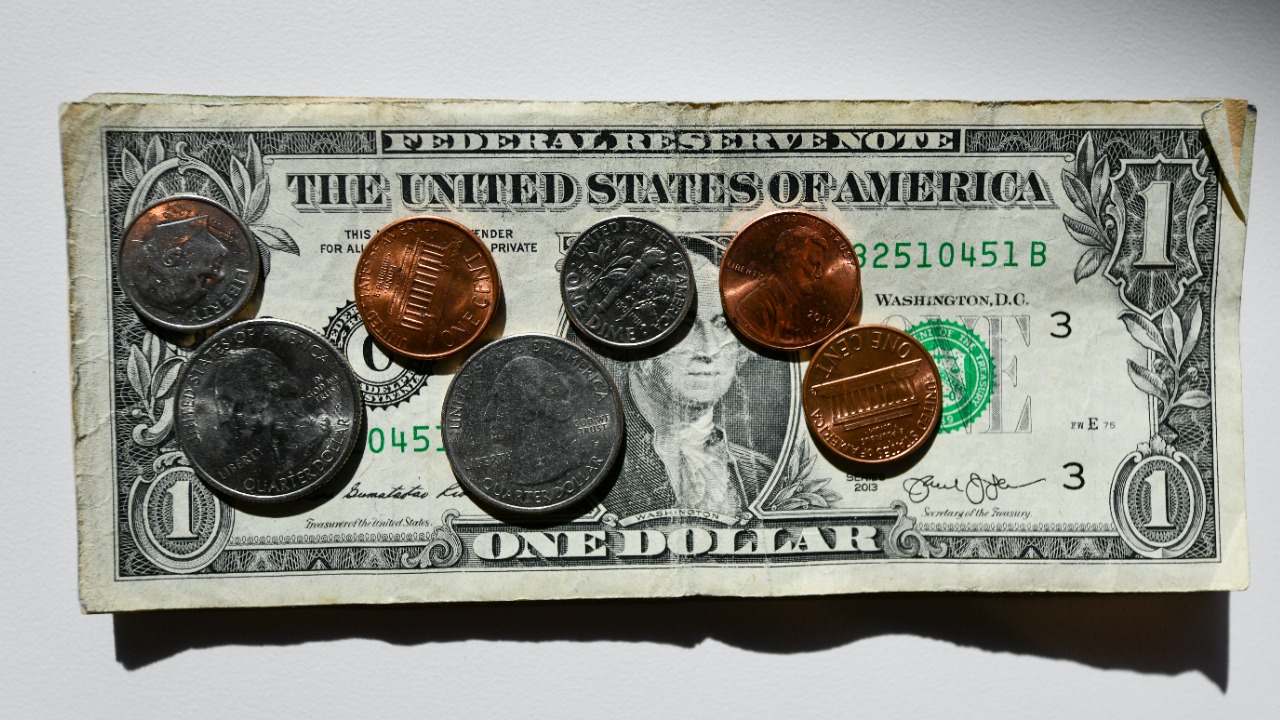
Stretching pennies into dollars isn’t just a skill, it’s a necessity for many of us. With some strategic planning and a little creativity, it’s possible to make your money go further than you ever imagined. Here are nine tips that can help you transform those pennies into dollars without compromising your lifestyle.
Budget with Precision

Creating a precise budget is the cornerstone of effective financial management. I recommend tracking every dollar you earn and spend. This way, you can identify unnecessary expenses and allocate funds to areas that matter most. Several apps can help simplify this process, providing a clear picture of your finances at a glance.
Budgeting not only helps in planning your expenses but also in setting financial goals. Once you have a clear understanding of your spending habits, you can make informed decisions that align with your long-term objectives. For more insights, check out this guide on managing your finances.
Embrace DIY Solutions

Do-it-yourself projects can significantly cut costs, whether it’s fixing a leaky faucet or creating personalized gifts. YouTube and other online platforms offer countless tutorials on a variety of topics. By learning to do things yourself, not only do you save money, but you also gain new skills.
Consider tackling home improvement projects or even simple clothing repairs. The satisfaction of completing a task on your own is unparalleled, and the savings can be substantial. For inspiration, browse articles like this one that explore creative ways to save money.
Master Meal Planning

Meal planning is a powerful tool for cutting down on food expenses. By planning meals in advance, I can avoid impulse buys and reduce food waste. Additionally, buying ingredients in bulk and preparing meals in batches can further lower costs.
With a structured plan, you can take advantage of sales and seasonal produce, stretching your food budget even further. This practice not only saves money but also time, as you’ll spend less time figuring out what to cook each day.
Optimize Energy Use
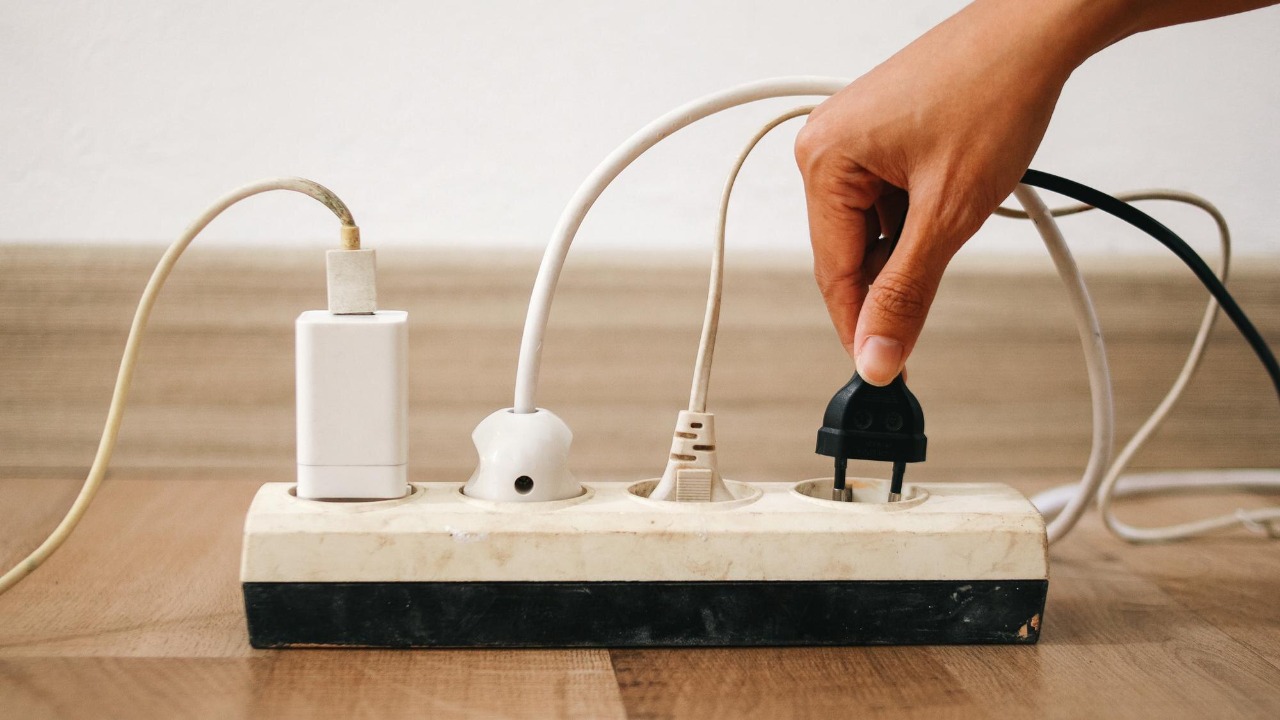
Reducing energy usage is a direct way to cut costs on utility bills. Simple actions like turning off lights when leaving a room, using energy-efficient appliances, and adjusting your thermostat can have a big impact.
Consider conducting an energy audit to identify areas for improvement. Even small changes, such as using LED bulbs or unplugging unused electronics, can add up over time. For more tips on energy conservation, visit this resource.
Leverage Loyalty Programs

Many retailers offer loyalty programs that provide discounts, rewards, and exclusive offers. By signing up for these programs, I can earn points on purchases, which can be redeemed for future savings.
It’s worth taking the time to understand which programs align best with your shopping habits. Combining loyalty rewards with sales and coupons can maximize savings. Just be sure to read the fine print to avoid any pitfalls.
Shop Secondhand

Shopping secondhand is a fantastic way to save money on clothing, furniture, and more. Thrift stores, consignment shops, and online marketplaces offer a wide range of high-quality items at a fraction of their original price.
Not only does buying secondhand save money, but it also supports sustainable practices by reducing demand for new products. The thrill of finding a great deal is an added bonus. Explore the benefits of secondhand shopping further here.
Utilize Free Resources

Don’t overlook the wealth of free resources available in your community. Libraries offer free access to books, movies, and even workshops. Many communities also host free events, which can be a great way to have fun without spending money.
Online, there are countless free courses, podcasts, and articles that can provide entertainment and education. By taking advantage of these resources, you can enrich your life without impacting your budget.
Automate Savings

Automating your savings is an effective way to ensure you consistently set aside money for the future. By scheduling automatic transfers from your checking to your savings account, you can make saving a regular habit.
This approach helps mitigate the temptation to spend, as the money is moved before you even see it. Over time, these small, regular contributions can grow into a substantial savings fund.
Negotiate Bills

Many bills, from cable to insurance, are negotiable. By reaching out to service providers and inquiring about discounts or better rates, you may find opportunities to lower your monthly expenses.
It’s important to do your research and be prepared to present competitive offers or loyalty discounts as leverage. Even a small reduction can add up significantly over time. Learn more about the art of negotiation in this article.

Cole Whitaker focuses on the fundamentals of money management, helping readers make smarter decisions around income, spending, saving, and long-term financial stability. His writing emphasizes clarity, discipline, and practical systems that work in real life. At The Daily Overview, Cole breaks down personal finance topics into straightforward guidance readers can apply immediately.

