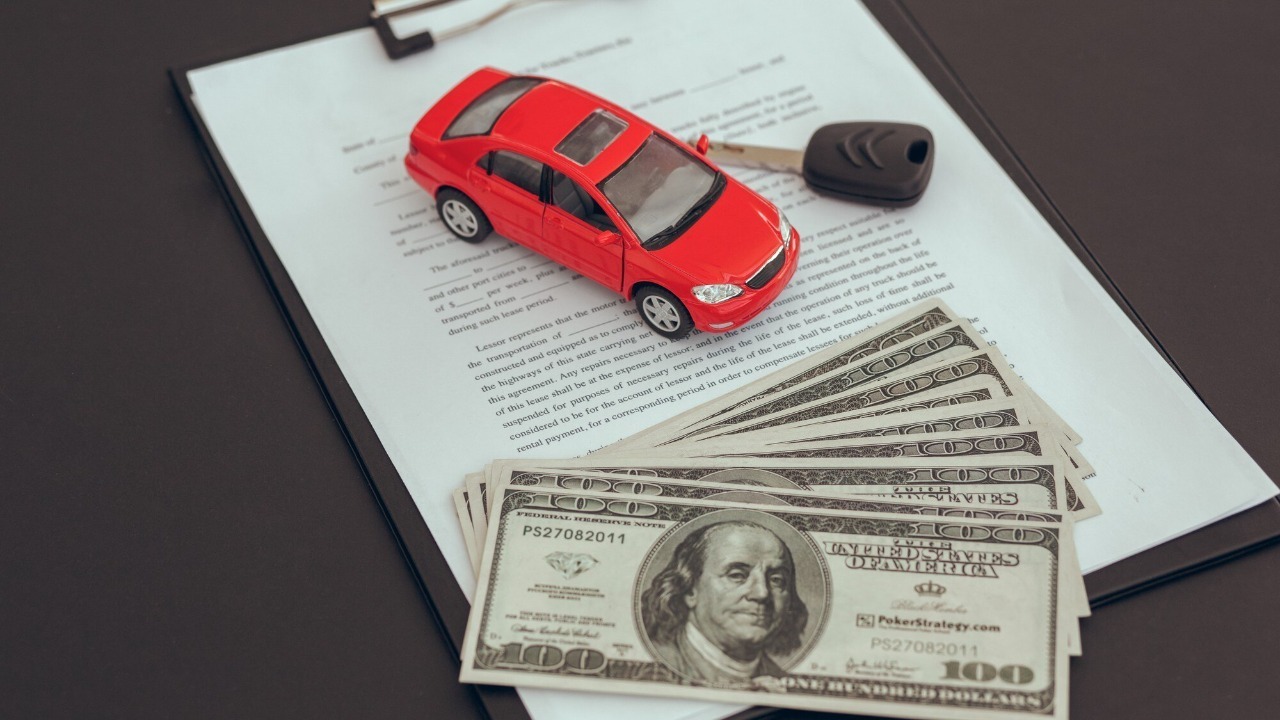
Paying off a car in just 12 months might sound ambitious, but with the right strategies, it’s entirely achievable. Whether you’re looking to free up cash flow or reduce debt, these practical tips can help you accelerate your car loan repayment. Implementing a combination of these strategies can put you on the fast track to financial freedom.
Create a Detailed Budget Plan
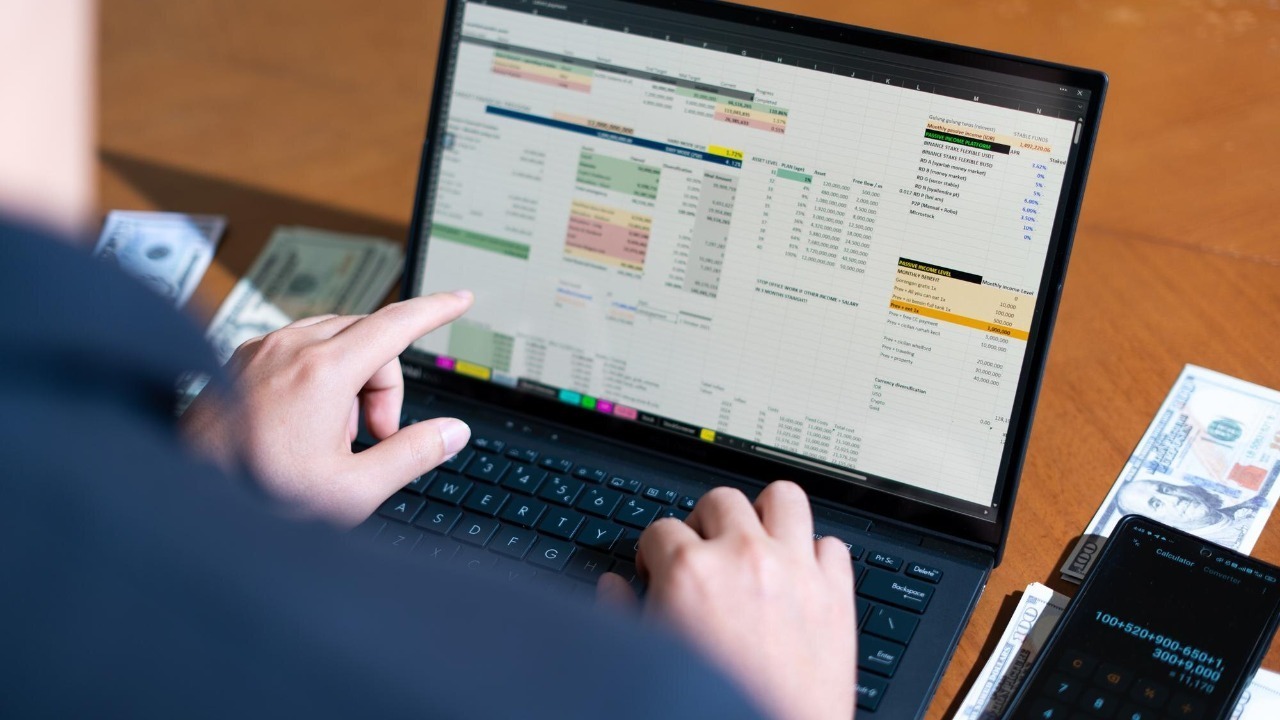
Creating a detailed budget plan is the cornerstone of any financial goal, including paying off a car. Start by analyzing your monthly income and expenses. Categorize your spending to identify areas where you can cut back. Tools like Mint or YNAB can help make budgeting easier and more efficient. Allocate a specific amount each month toward your car payment and stick to it. By keeping track of every dollar, you can identify where adjustments need to be made to free up more money for your car loan.
Increase Your Income with a Side Hustle

Boosting your income with a side hustle can significantly speed up your car loan repayment. Consider gig economy jobs like driving for Uber or delivering food with DoorDash. Alternatively, leverage your skills for freelance work on platforms like Upwork or Fiverr. Even a few extra hundred dollars a month can make a big difference in how quickly you pay off your car. Consistency is key, so find a hustle that fits your schedule and stay committed.
Make Bi-Weekly Payments

Switching to bi-weekly payments is a simple yet effective strategy to pay off your car faster. By splitting your monthly payment in half and paying every two weeks, you’ll make 26 half-payments each year, equating to 13 full payments instead of 12. This can significantly reduce your interest over time and help you pay off the loan sooner. Check with your lender to ensure there are no prepayment penalties or fees associated with this approach.
Use Windfalls to Pay Down the Principal
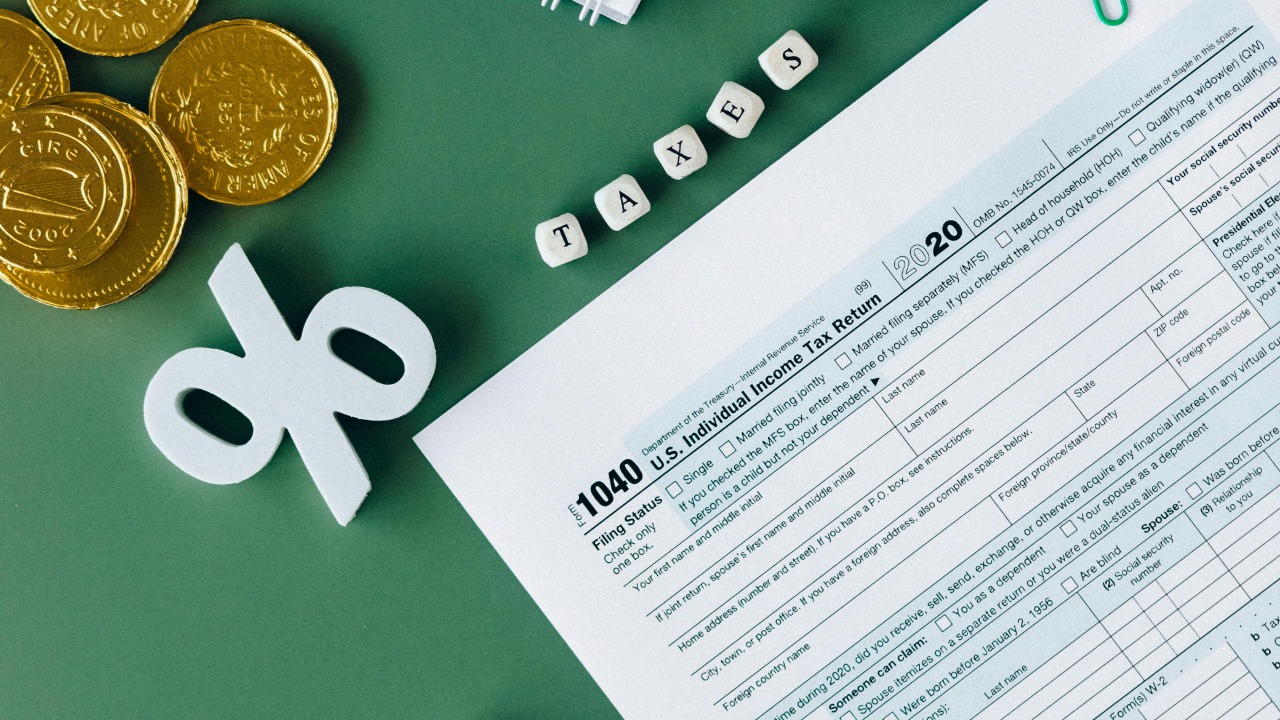
Windfalls like tax refunds, bonuses, or gifts can provide a great opportunity to make a substantial dent in your car loan principal. By applying these unexpected funds directly to the principal, you reduce the amount on which interest accrues. This can shorten your loan term and decrease the total interest paid. Be mindful to specify that these payments should go toward the principal to maximize their impact.
Cut Unnecessary Expenses

Trimming unnecessary expenses from your budget can free up funds for your car loan. Evaluate your spending on non-essentials like dining out, subscriptions, or impulse purchases. Channel these savings directly into your car payments. For example, cutting a $10 monthly subscription equals $120 annually—money that could be applied to your loan. For more comprehensive savings, consider reevaluating your insurance policies. You can save significantly on car insurance by shopping around or bundling policies.
Refinance for a Lower Interest Rate
Refinancing your car loan can lower your interest rate and monthly payments, making it easier to pay off your car faster. Shop around for lenders who offer better rates or terms. According to LendingTree, refinancing can save you hundreds of dollars over the life of the loan. Just ensure that the costs associated with refinancing don’t outweigh the benefits. Refinancing is particularly beneficial if your credit score has improved since you first took out the loan.
Sell Unused Items for Extra Cash

Decluttering your home and selling unused items can provide an unexpected financial boost. Platforms like eBay, Facebook Marketplace, or Craigslist are great for selling items like electronics, furniture, or clothing. Even a garage sale can help turn clutter into cash. Use these funds to make extra payments on your car loan. The added benefit is a more organized living space and a shorter loan term.
Apply Extra Payments Directly to the Principal

Whenever you make extra payments, ensure they are applied directly to the principal. This reduces the amount of interest you will pay over the life of the loan. Contact your lender to confirm how extra payments are processed. Some lenders may automatically apply extra payments to the next month’s payment unless specified otherwise. By targeting the principal, you can reduce your loan balance more quickly and effectively.
Negotiate a Payoff Discount with the Lender

If you’re in a position to pay off your loan in a lump sum, negotiating a payoff discount with your lender could work in your favor. Lenders may be willing to offer a discount to close the loan early, especially if you’re experiencing financial hardship. Reach out to your lender and present your offer. Be prepared to negotiate and provide reasons for your request. Sometimes, a simple conversation can lead to significant savings. For more tips on managing debt, consult resources like American Banker.

Cole Whitaker focuses on the fundamentals of money management, helping readers make smarter decisions around income, spending, saving, and long-term financial stability. His writing emphasizes clarity, discipline, and practical systems that work in real life. At The Daily Overview, Cole breaks down personal finance topics into straightforward guidance readers can apply immediately.

