
Finding an underpriced home in today’s competitive real estate market can feel like discovering a hidden treasure. However, with the right strategies, spotting these opportunities quickly becomes feasible. Here are nine effective ways to identify an underpriced house fast, maximizing your investment potential.
Analyze Comparable Sales

One of the quickest ways to determine if a house is underpriced is to analyze comparable sales in the area. By examining the sale prices of similar properties nearby, you can gauge whether the home you’re eyeing is priced below market value. Pay attention to properties with similar square footage, number of bedrooms, and overall condition.
If a house is significantly cheaper than its peers, it might be underpriced. However, ensure that you compare homes sold within the last three to six months to account for any market fluctuations. This approach provides a clear benchmark against which you can evaluate the potential deal.
Evaluate Days on Market

The number of days a home has been on the market often hints at its pricing status. Generally, properties that linger too long without offers might be overpriced. Conversely, a home that’s been listed for a shorter duration and hasn’t yet been snapped up might be underpriced but has gone unnoticed.
Keep an eye on properties that are newly listed with competitive pricing. If a house has been on the market for a while, it may suggest more room for negotiation. Realtors often advise acting quickly if you spot a property that meets your criteria, as underpriced homes tend to sell fast.
Check Price Per Square Foot

Another effective method is to evaluate the price per square foot. This metric helps you gauge if a home is priced fairly relative to others in the area. In competitive markets, a lower price per square foot might indicate that the property is underpriced.
Make sure to compare homes with similar features and in the same neighborhood for an accurate analysis. Be wary of properties with unusually low prices per square foot, as they might require significant repairs or renovations.
Investigate Neighborhood Trends

Understanding neighborhood trends is crucial in identifying an underpriced house. Look for areas experiencing growth or revitalization, where property values might be poised to increase. An underpriced home in such a neighborhood could offer significant appreciation potential.
Consider factors like new infrastructure projects, school ratings, and retail developments. These elements can drive demand and elevate property values, making a currently underpriced home an excellent investment opportunity in the long run.
Look for Cosmetic Issues

Cosmetic issues like outdated paint or landscaping can deter some buyers, leading to a lower listing price. However, if the home is structurally sound, these minor flaws can be easily remedied, offering a chance to purchase at a bargain.
Evaluate the cost of cosmetic repairs versus the potential increase in home value post-renovation. Often, a little elbow grease can transform an underpriced house into a valuable asset with minimal investment.
Assess Property Condition

Beyond cosmetics, assessing the overall property condition is essential. Homes requiring major repairs may be priced lower to account for the anticipated costs. Inspect the roof, foundation, plumbing, and electrical systems to understand the extent of required repairs.
If the repairs are manageable within your budget, you might have found an underpriced gem. Always consider hiring a professional inspector to provide a comprehensive evaluation of the property’s condition before making an offer.
Identify Motivated Sellers

Motivated sellers often price their homes attractively to facilitate a quick sale. Reasons for urgency can include relocation, financial hardship, or a change in family circumstances. Identifying such sellers can lead to significant savings.
Look for clues in the listing description, such as phrases like “priced to sell” or “must move.” These can indicate a seller’s willingness to negotiate on price, providing an opportunity to purchase the property below market value.
Review Tax Assessments
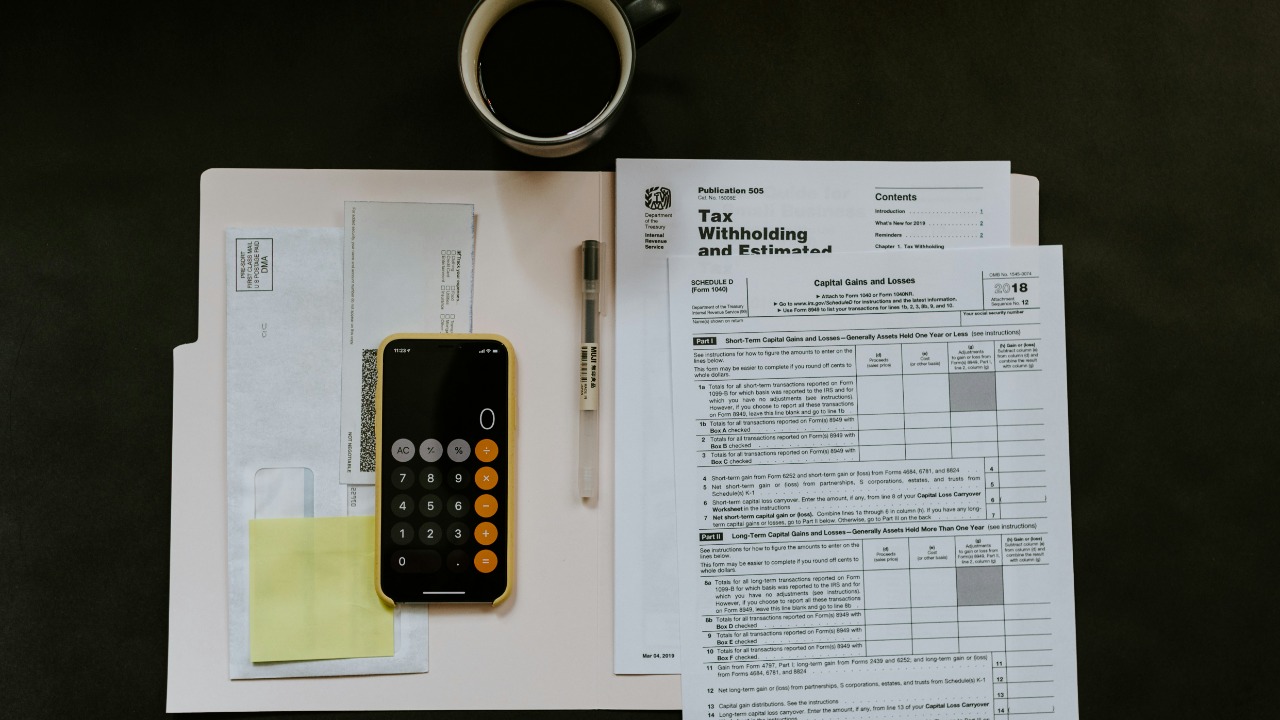
Examining a property’s tax assessment can offer insights into whether it’s underpriced. Sometimes, the assessed value is lower than the market value, indicating potential savings for buyers. However, it’s important to note that assessments can lag behind actual market conditions.
Compare the tax assessment with the asking price and recent sales in the area. This can provide a clearer picture of a property’s true market value. Consulting with a local real estate agent can also help interpret tax assessment nuances.
Utilize Real Estate Tools and Apps

In today’s digital age, numerous real estate tools and apps can assist in identifying underpriced homes. Websites like Zillow, Redfin, and Realtor.com offer features that allow you to filter properties based on price reductions, days on the market, and historical sales data.
Set up alerts for price drops or new listings in your desired area. By leveraging technology, you can stay informed and act quickly when an underpriced property becomes available, gaining a competitive edge in the market.

Elias Broderick specializes in residential and commercial real estate, with a focus on market cycles, property fundamentals, and investment strategy. His writing translates complex housing and development trends into clear insights for both new and experienced investors. At The Daily Overview, Elias explores how real estate fits into long-term wealth planning.

