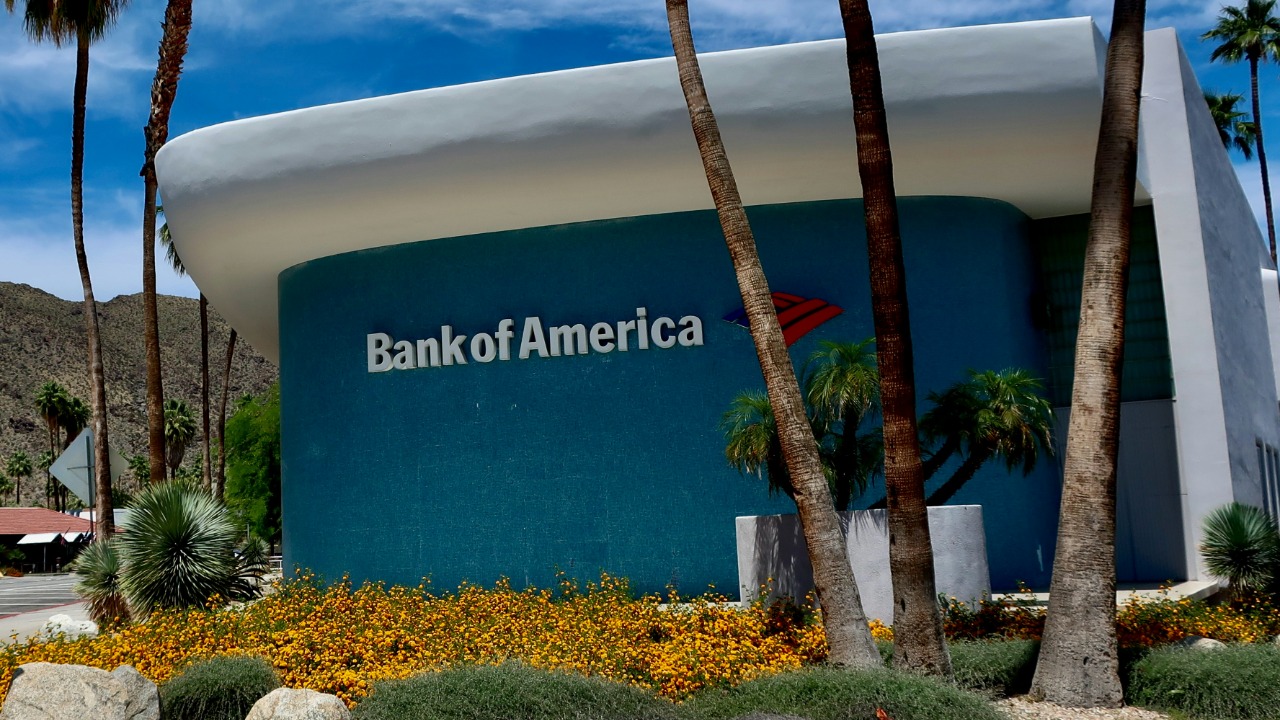
The history of America’s banking system is a complex narrative that has evolved alongside technological innovations and economic shifts. Recent analyses highlight the transformation of core banking platforms and the impact of globalization on financial systems. Understanding how inflation affects purchasing power is also crucial to comprehending current financial dynamics.
The Early Roots of America’s Banking System
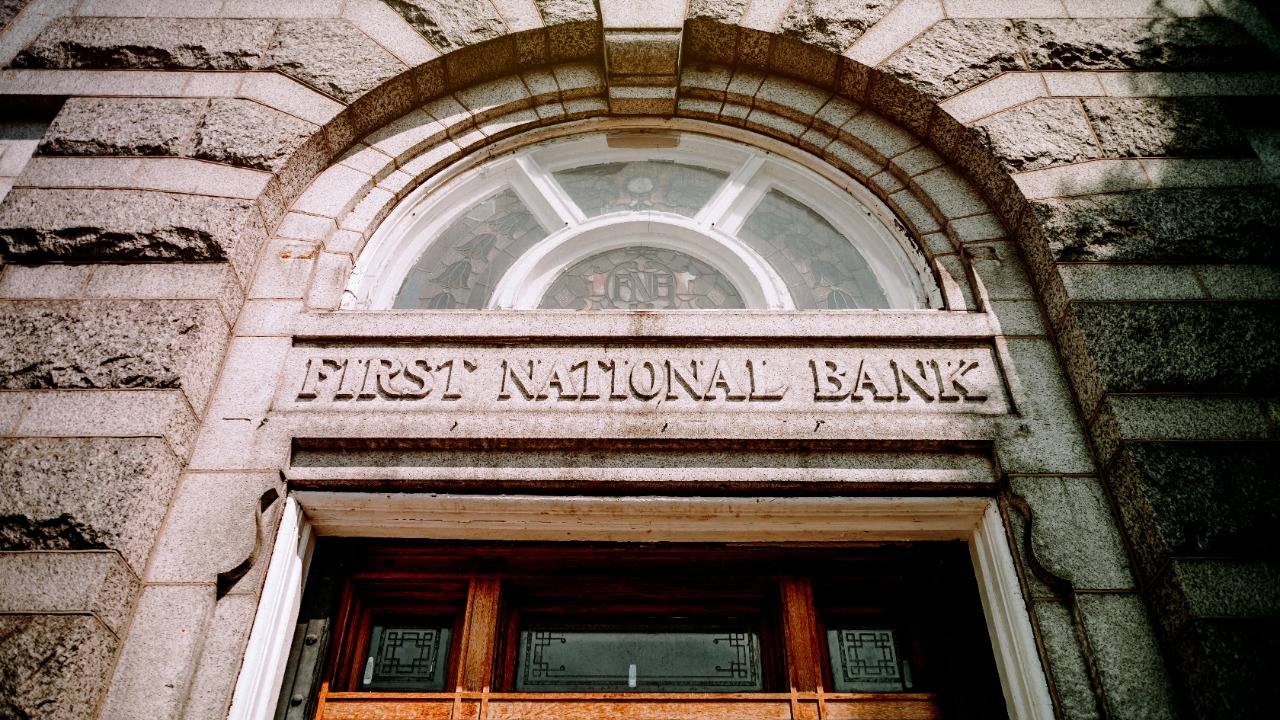
The establishment of the First and Second Banks of the United States played pivotal roles in early American finance. These institutions were modeled after European banking systems, which provided a framework for managing the young nation’s finances. The First Bank, chartered in 1791, aimed to stabilize the American economy by managing debt and creating a standard currency. However, its charter was not renewed in 1811 due to political opposition. The Second Bank, established in 1816, faced similar challenges and was ultimately dissolved in 1836.
European models heavily influenced early American banking practices, particularly those from Britain and the Netherlands. These models emphasized centralized control and regulation, which were seen as essential for maintaining economic stability. The adaptation of these practices helped shape the foundational structures of American banking, although they were often met with resistance from those who favored decentralized banking.
The standardization of the five-day work week, as discussed in labor movement contexts, indirectly affected banking operations by establishing consistent business hours. This change, which became widespread in the early 20th century, allowed banks to synchronize their operations with other industries, facilitating smoother financial transactions and customer interactions. The five-day work week thus played a crucial role in shaping modern banking practices.
The Evolution of Core Banking Platforms
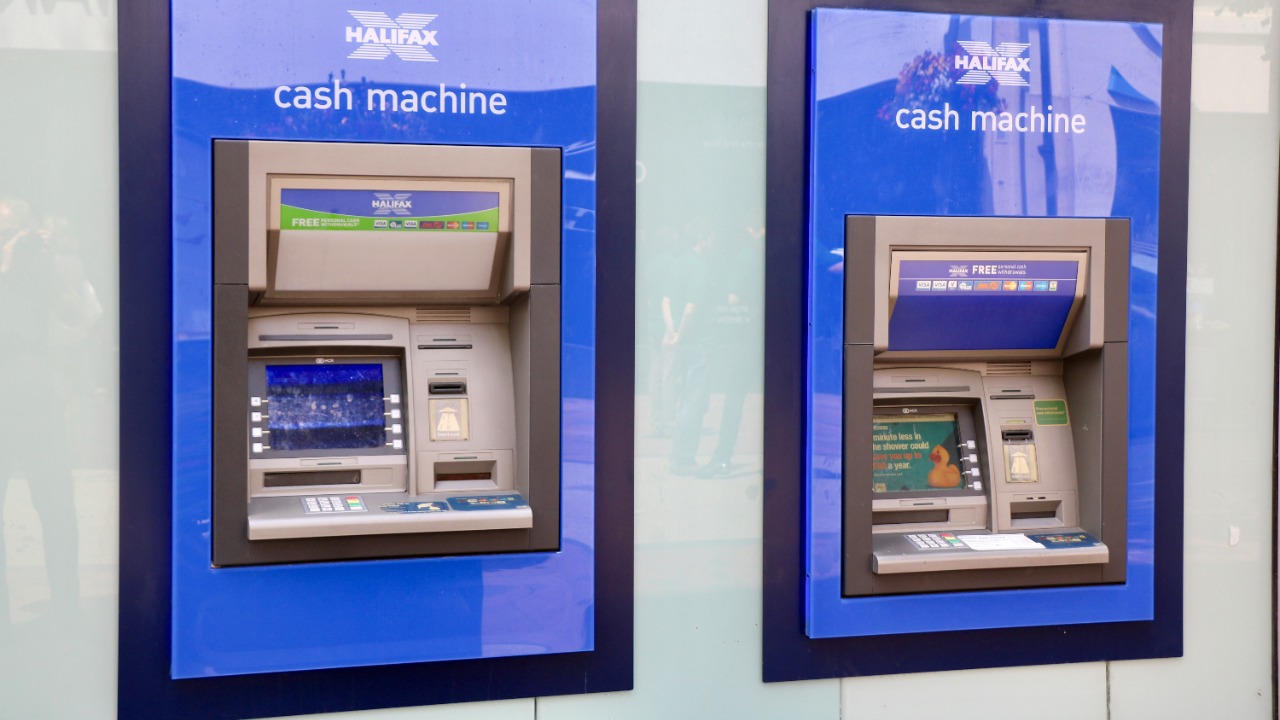
Technological advancements have significantly influenced the evolution of core banking platforms, transforming how financial transactions are conducted. The transition from traditional to digital banking has revolutionized customer service and operational efficiency. Innovations such as online banking, mobile apps, and automated teller machines (ATMs) have made banking more accessible and convenient for consumers.
The modernization of banking systems has been driven by key figures and innovations that have reshaped the industry. For instance, the development of secure online platforms has enhanced the safety and speed of financial transactions. These advancements have also allowed banks to offer more personalized services, catering to the specific needs of their customers. The evolution of core banking systems continues to be a critical factor in the ongoing transformation of the financial sector.
Globalization and Its Impact on Banking

Globalization has integrated American banking with global financial markets, creating both challenges and opportunities. As banks expand their operations internationally, they must navigate complex regulatory environments and adapt to diverse economic conditions. This integration has allowed American banks to tap into new markets and diversify their portfolios, enhancing their competitiveness on the global stage.
The challenges of globalization include increased competition from foreign banks and the need to comply with international regulations. However, it also presents opportunities for growth and innovation. By leveraging global networks, American banks can offer a wider range of services and products to their customers. The impact of globalization on banking is further explored in the context of global economic policies, which have influenced American banking regulations and practices.
Inflation and Its Effects on Banking

Inflation, defined as the rate at which the general level of prices for goods and services rises, erodes purchasing power and impacts both consumers and banks. As inflation increases, the value of money decreases, leading to higher costs for goods and services. This phenomenon affects banks by reducing the real value of savings and loans, challenging their ability to maintain profitability.
Historical instances of inflation in America have had significant effects on the banking system. For example, during periods of high inflation, banks may face increased pressure to raise interest rates to attract deposits and maintain their financial stability. Strategies to mitigate the impacts of inflation include diversifying investment portfolios and adjusting interest rates to reflect changing economic conditions. Understanding inflation is crucial for banks as they navigate these economic challenges.
Recent Trends and Future Directions

Recent trends in the banking sector, such as the rise of fintech and mobile banking, are reshaping the industry. Fintech companies are introducing innovative solutions that enhance customer experiences and streamline operations. Mobile banking apps, for instance, allow customers to manage their finances on the go, providing convenience and flexibility.
Potential future developments in banking technology include the use of artificial intelligence and blockchain to improve security and efficiency. These technologies have the potential to revolutionize how banks operate, offering new ways to process transactions and manage data. However, ongoing regulatory challenges continue to shape the future landscape of American banking, as institutions must balance innovation with compliance.
The integration of digital currencies is another trend gaining traction in the banking sector. As cryptocurrencies become more mainstream, banks are exploring ways to incorporate these digital assets into their offerings. This shift could lead to the development of new financial products and services, catering to a tech-savvy customer base that values the decentralized nature of cryptocurrencies. However, the volatility of digital currencies poses a risk that banks must carefully manage.
Moreover, the emphasis on sustainability and ethical banking is influencing future directions. Banks are increasingly adopting environmentally friendly practices and investing in green technologies. This trend is driven by consumer demand for sustainable options and regulatory pressures to reduce carbon footprints. As banks strive to align with these values, they are likely to develop new products that support sustainable development goals, further transforming the industry landscape.

Silas Redman writes about the structure of modern banking, financial regulations, and the rules that govern money movement. His work examines how institutions, policies, and compliance frameworks affect individuals and businesses alike. At The Daily Overview, Silas aims to help readers better understand the systems operating behind everyday financial decisions.

