
High-interest debt can be a significant financial burden, but with a strategic approach, it is possible to manage and eventually eliminate it. A simple and effective plan can help you crush your high-interest debt, offering practical steps and strategies to regain control over your finances. By understanding the nature of high-interest debt and setting clear financial goals, you can pave the way towards a debt-free future.
Understanding High-Interest Debt
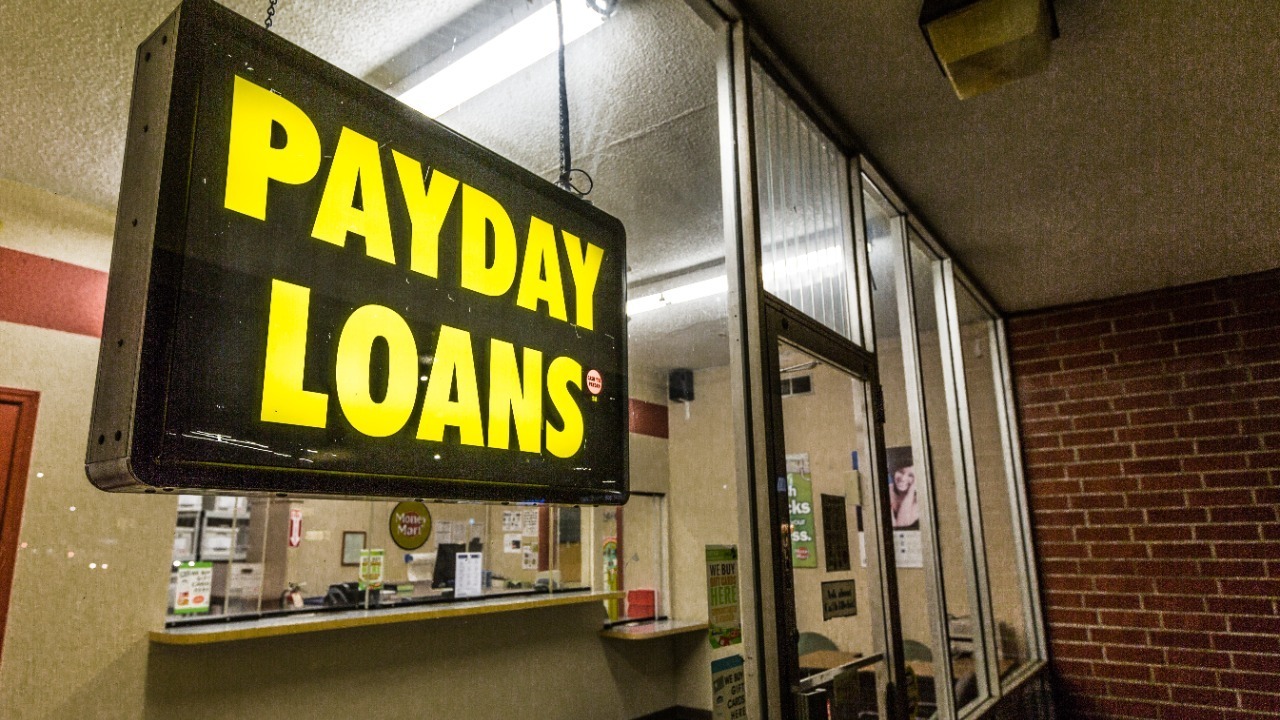
High-interest debt typically includes financial obligations like credit card balances, payday loans, and certain personal loans that carry exorbitant interest rates. These debts can significantly affect your overall financial health by increasing the amount you owe over time due to the accumulation of interest. For instance, carrying a balance on a credit card with a 20% interest rate can quickly escalate the total amount you owe, making it difficult to pay off the principal. This kind of debt can also limit your ability to save for future goals or emergencies.
The impact of high-interest debt is not only financial but psychological as well. The stress associated with mounting debt can lead to anxiety and even depression, affecting your overall well-being. Financial instability caused by these debts can also hinder your ability to invest in opportunities that could improve your financial situation in the long run, such as purchasing a home or saving for retirement. Ultimately, the burden of high-interest debt can create a vicious cycle, where the stress of debt leads to poor financial decisions, further exacerbating the problem.
Setting Clear Financial Goals

To effectively tackle high-interest debt, it’s crucial to start by assessing your current financial situation. This involves evaluating all your outstanding debts, their interest rates, and understanding your monthly cash flow. By knowing exactly how much you owe and how much you earn, you can craft a realistic strategy to pay off your debts. Utilize tools like budgeting apps or spreadsheets to keep track of your incomings and outgoings, ensuring you have a clear picture of your finances.
Once you have a comprehensive understanding of your financial situation, it’s time to set achievable debt repayment goals. Establishing both short-term and long-term objectives can provide motivation and direction. For example, a short-term goal might be to pay off the smallest debt within the next three months, while a long-term goal could be to eliminate all high-interest debt within two years. Having clear benchmarks to aim for can help maintain focus and discipline throughout the debt repayment process.
Choosing a Debt Repayment Strategy

One popular method for paying off debt is the Debt Snowball Method. This strategy involves paying off debts from the smallest balance to the largest, regardless of the interest rate. The primary advantage of this method is the psychological boost you receive from quickly eliminating smaller debts, which can motivate you to continue your debt repayment efforts. The quick wins provided by this approach can help build momentum and reinforce positive financial habits.
Alternatively, the Debt Avalanche Method focuses on paying off debts with the highest interest rates first. This strategy can save you money in the long run, as it minimizes the total interest paid over time. By prioritizing high-interest debts, you can reduce the amount of money lost to interest payments, allowing you to allocate more funds towards paying off the principal balance. This method is particularly effective for those who are disciplined and focused on maximizing financial efficiency.
Implementing Your Plan

Once you’ve chosen a repayment strategy, the next step is to create a realistic budget that allows you to allocate more funds toward debt repayment. Begin by identifying areas where you can cut unnecessary expenses, such as dining out, subscriptions, or impulse purchases. Redirect these savings towards your debt payments. Consider utilizing budgeting tools or apps that can help you track your spending and identify potential savings opportunities.
Automating payments is another effective way to ensure consistent progress in reducing your debt. Set up automatic payments for at least the minimum amount due on each debt to avoid late fees and additional interest. Additionally, regularly monitor your progress and make adjustments as needed. Tracking your progress can provide motivation and highlight the effectiveness of your strategy. Adjust your budget and repayment plan as your financial situation changes to maintain momentum and adapt to new challenges.
Building Financial Resilience for the Future

To prevent future reliance on high-interest debt, it’s essential to establish a financial cushion through an emergency fund. Aim to save three to six months’ worth of living expenses in a readily accessible account. This fund can provide a safety net in case of unexpected expenses, such as medical emergencies or job loss, reducing the need to rely on credit cards or loans. Prioritize building your emergency fund alongside your debt repayment efforts, even if you start with small, regular contributions.
Improving your credit score and financial habits is another crucial step in building financial resilience. Focus on paying bills on time, maintaining a low credit utilization ratio, and regularly reviewing your credit report for inaccuracies. By developing responsible financial behaviors, you can enhance your credit score, making it easier to access favorable loan terms in the future. Educate yourself on personal finance topics and consider seeking advice from financial professionals if needed to further strengthen your financial knowledge and avoid falling back into high-interest debt.

Cole Whitaker focuses on the fundamentals of money management, helping readers make smarter decisions around income, spending, saving, and long-term financial stability. His writing emphasizes clarity, discipline, and practical systems that work in real life. At The Daily Overview, Cole breaks down personal finance topics into straightforward guidance readers can apply immediately.

