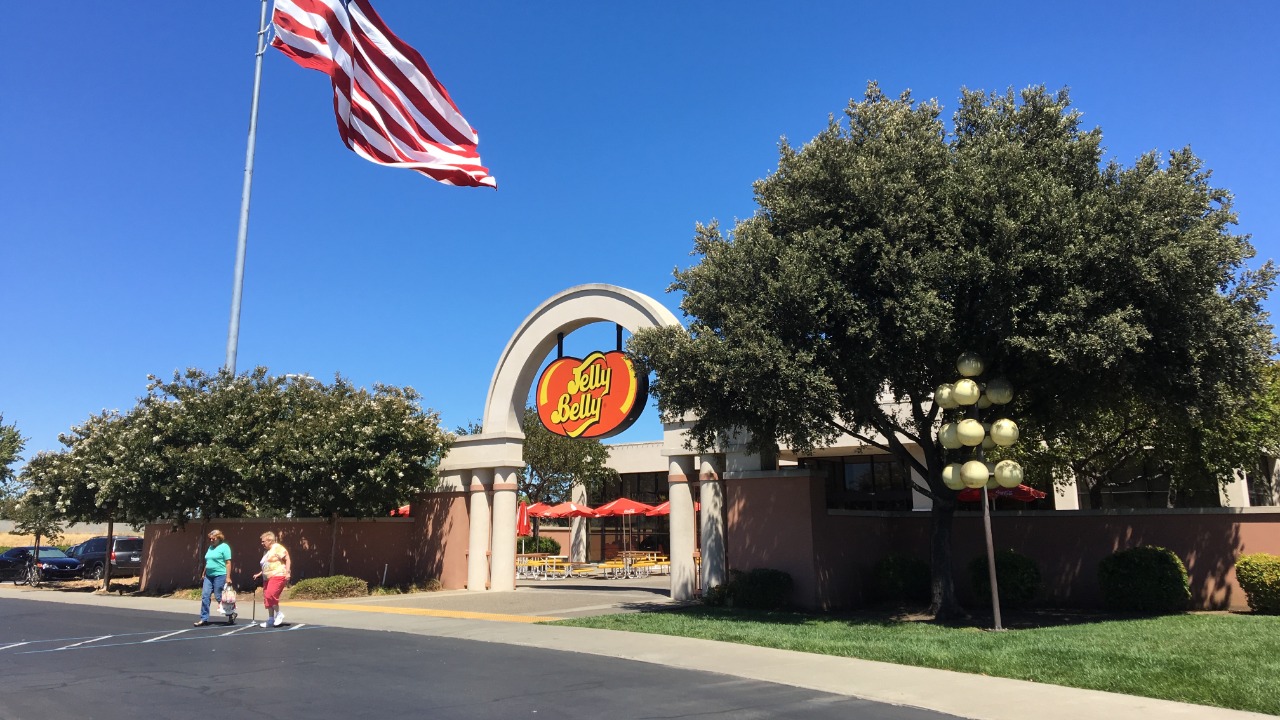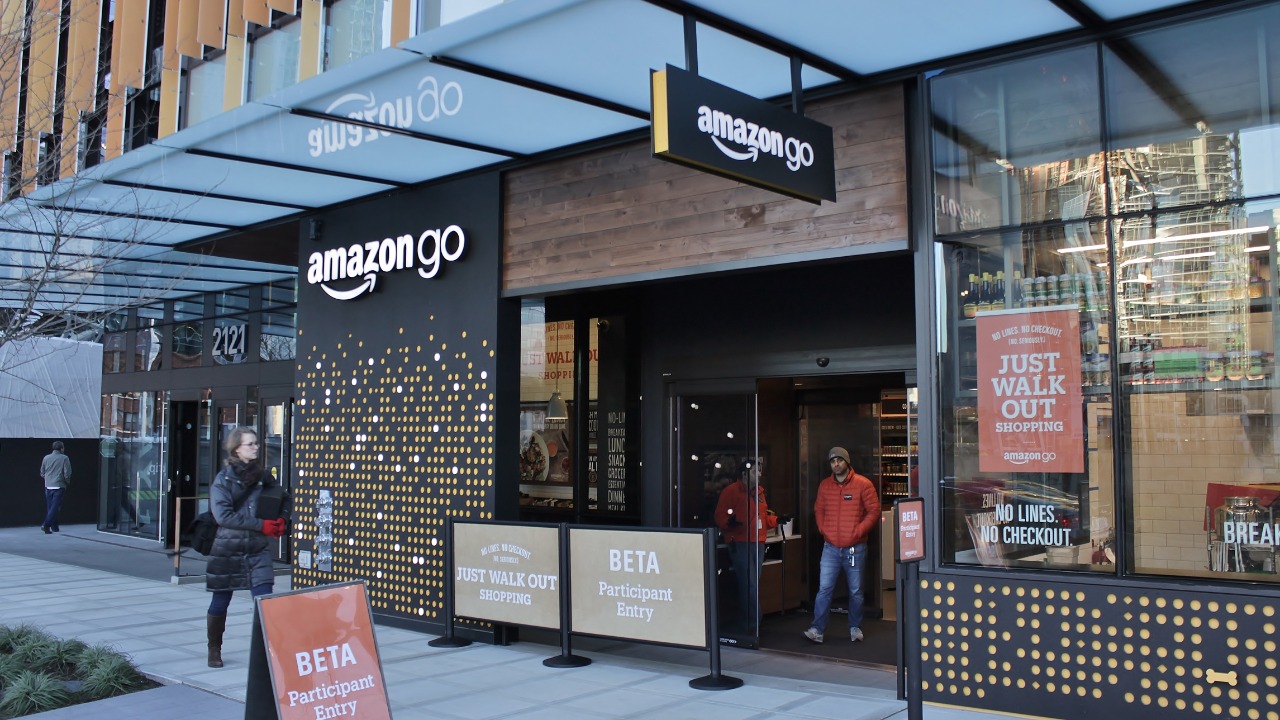
Amazon is abruptly exiting the cashierless convenience and mid-sized grocery formats it spent years trying to popularize, shutting every Amazon Go and Amazon Fresh store in the United States within days. The move affects dozens of locations that once showcased the company’s most futuristic retail technology and signals a decisive pivot toward Whole Foods Market and online grocery delivery. For shoppers and rivals alike, the retreat raises a blunt question: if a company with Amazon’s resources cannot make these formats work at scale, who can.
The sudden shutdown and what is closing
Amazon has confirmed that it will close all of its Amazon Fresh and Amazon Go physical stores in the United States, effectively ending its experiment with branded brick and mortar grocery and convenience formats. Company statements and regulatory filings indicate that the decision covers 72 locations nationwide, including 57 Amazon Fresh supermarkets and 15 remaining Amazon Go convenience stores. Separate reporting on the company’s grocery footprint reiterates that Amazon is closing of its Amazon Fresh and Amazon Go sites as part of a broader reset of its physical grocery strategy.
The timeline is compressed. The company has told customers that the last day of operation for Amazon Fresh and stores will be Feb. 1, with the exception of its California locations, which will remain open slightly longer as they wind down. In parallel, Amazon has used its main consumer channels, including its core Amazon site and social platforms, to steer shoppers toward online ordering and alternative store formats. An Instagram update underscored that Amazon announced it all Amazon Go and Amazon Fresh physical stores to focus on Whole Foods Market growth and expanded delivery, framing the closures as a strategic shift rather than a retreat from grocery.
Why Amazon is walking away from its own grocery brands
Inside the company, executives have been blunt that the Amazon-branded stores never quite delivered a distinctive enough experience to justify their costs. In a corporate blog post, Amazon acknowledged that seen encouraging signals in Amazon-branded physical grocery stores, the company has not yet created a truly distinctive customer experience that can scale profitably. That admission helps explain why leadership is now concentrating investment on Whole Foods Market, a chain with an established identity and loyal base, rather than continuing to iterate on formats that remained in flux years after launch.
The company is also leaning into the channels where it already dominates. In the same communication, Amazon framed the closures as part of a plan to double down on online grocery delivery, using its logistics network and Prime membership to capture more of the weekly food shop. Trade coverage of the move echoes that framing, describing how the company is doubling down on ordering and pickup rather than abandoning the grocery category altogether. From a strategic perspective, I see this as Amazon conceding that its competitive edge lies in logistics, data and digital subscriptions, not in running parallel grocery brands that confuse customers and landlords alike.
Whole Foods Market as the new growth engine
As it closes Amazon Fresh and Amazon Go, the company is simultaneously preparing a major expansion of Whole Foods Market. Internal planning documents and public statements indicate that Amazon says it stores in the coming years, a move that would significantly increase the chain’s footprint beyond its current base at over 360 sites globally. Some of the shuttered Amazon Go and Amazon Fresh locations will not stay dark for long, since Some of the company’s shuttered Amazon Go and Amazon Fresh sites are slated to be converted into new Whole Foods stores.
External reporting on the closures reinforces that pattern, noting that Amazon is closing of its Amazon Fresh and Amazon Go stores while replacing some with Whole Foods. Another breakdown of the plan notes that Fresh and Go closures are being paired with new Whole Foods openings in select markets, effectively swapping one logo for another on some storefronts. A separate summary of the strategy underscores that Amazon and Whole are now the twin pillars of the company’s grocery ambitions, with the legacy tech-forward formats relegated to the background.
What happens to the tech that powered Amazon Go and Fresh
Even as the stores close, Amazon is not abandoning the technology that made Amazon Go famous. The company has long described Amazon Go locations as innovation hubs where it developed “just walk out” technology, which is now a checkout solution it sells to other retailers and venues. Coverage of the shutdowns notes that this technology, along with smart carts and computer vision systems tested in Amazon Fresh, will continue to live on in partner stores and possibly in other Whole Foods Markets locations, even as the original labs close their doors.
From a broader retail technology perspective, I see this as a shift from owning the full store experience to licensing the underlying tools. Trade reports emphasize that Amazon announced it will shutter Amazon Fresh and Go stores while continuing to invest in technology and services that can be deployed across multiple partners over the next few years. Another analysis of the closures highlights that Amazon Fresh and were as much about experimentation as about immediate profit, and that the intellectual property they generated will keep shaping how people check out, or do not check out, in supermarkets and stadiums. In that sense, the stores may disappear, but the frictionless shopping model they pioneered is likely to spread.
Impact on workers, shoppers and the grocery landscape
The closures will ripple through local labor markets and shopping habits in dozens of neighborhoods. Reporting on the shutdowns notes that Todd Bishop and others have detailed how Amazon is notifying employees in line with state labor requirements and offering transfers where possible, but some roles will inevitably disappear as stores go dark. One breakdown of the footprint shows that the move affects Most locations across multiple states, with particular concentration in urban corridors where Amazon Go once promised a new kind of grab and go experience.
For shoppers, the immediate effect is a scramble to find alternatives, followed by a gradual nudge toward Whole Foods and online ordering. A corporate statement stresses that Whole Foods Markets will continue to operate and expand, while grocery delivery through Amazon’s apps will be promoted as a replacement for in person trips to Amazon Fresh and Amazon Go. Social posts reiterate that Amazon Go and customers are being encouraged to shift their spending to Whole Foods Market or other formats within the company’s ecosystem. Trade coverage frames the move as a reshuffling of the competitive landscape, with Amazon Fresh and disappearing from the map just as traditional grocers and discounters are investing heavily in their own digital and convenience offerings.
At the same time, the closures are prompting a reassessment of how tech heavy a grocery store really needs to be. One detailed account of the shift notes that The Amazon Fresh store on Aurora Avenue in Seattle, which opened with fanfare as a model of the future, will now close along with its peers. Another summary of the company’s grocery strategy points out that Amazon Fresh and stores are being wound down even as Amazon insists it remains committed to food retail. A separate breakdown of the numbers underscores that 72 and 57 are not just statistics but entire communities losing a particular kind of store. For competitors, the message is clear: even the most powerful e commerce player is still figuring out what a winning physical grocery format looks like, and the race to define it is far from over.
More From TheDailyOverview
*This article was researched with the help of AI, with human editors creating the final content.

Grant Mercer covers market dynamics, business trends, and the economic forces driving growth across industries. His analysis connects macro movements with real-world implications for investors, entrepreneurs, and professionals. Through his work at The Daily Overview, Grant helps readers understand how markets function and where opportunities may emerge.