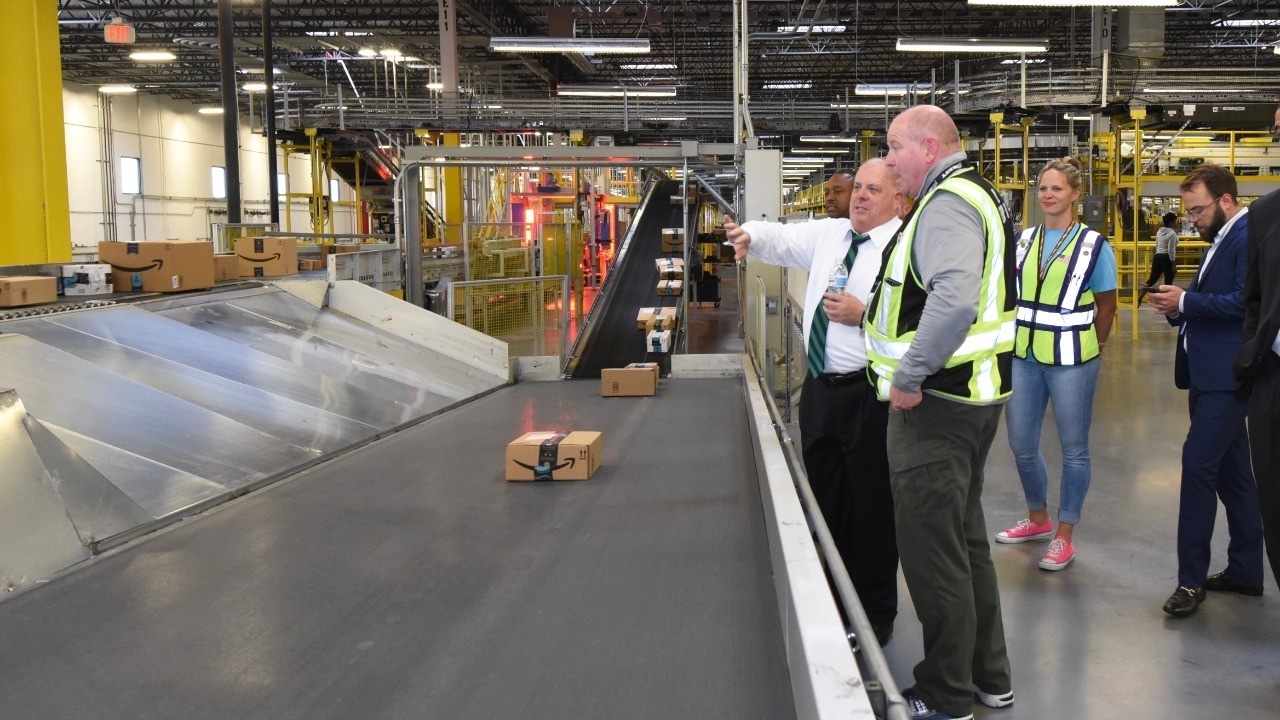
Amazon has unveiled its latest innovation in warehouse automation: the Blue Jay robot. This advanced machine is designed to perform multiple tasks simultaneously, marking a significant leap in the company’s efforts to enhance operational efficiency through robotics and AI technology. Alongside this, Amazon has introduced Project Eluna, a complementary initiative aimed at further integrating AI into its fulfillment operations. According to Morgan Stanley, these advancements could enable Amazon to save $4 billion by 2027, underscoring the financial impact of these technological strides.
Overview of the Blue Jay Robot
The introduction of the Blue Jay robot marks a pivotal moment in Amazon’s strategy to revolutionize its warehouse operations. Engineered with multitasking capabilities, Blue Jay is a “three-in-one” system that can handle various warehouse duties simultaneously. This development is part of Amazon’s broader robotics portfolio, which aims to streamline processes and reduce the need for human intervention in repetitive tasks. By integrating Blue Jay into its operations, Amazon is not only enhancing efficiency but also setting a new standard for automation in the e-commerce industry.
Blue Jay’s design allows it to seamlessly fit into Amazon’s existing infrastructure, working alongside other robotic systems to optimize workflow. This integration is crucial as Amazon continues to expand its fulfillment network to meet growing consumer demand. The robot’s ability to perform multiple tasks at once is a testament to Amazon’s commitment to leveraging cutting-edge technology to maintain its competitive edge in the logistics sector. CNBC highlights how this innovation aligns with Amazon’s broader goals of enhancing operational efficiency through advanced robotics.
Key Capabilities and Design Features
Blue Jay’s standout feature is its ability to perform several tasks concurrently, thanks to its agentic AI-driven design. This capability allows the robot to undertake various roles within the fulfillment centers, such as sorting, packing, and transporting goods, all at the same time. Such multitasking not only speeds up the fulfillment process but also reduces the likelihood of errors, thereby improving overall service quality. The robot’s design reflects Amazon’s ongoing efforts to integrate AI technology into its warehouse environments, pushing the boundaries of what is possible in automated logistics.
The operational roles that Blue Jay fulfills are critical to enhancing efficiency in Amazon’s fulfillment centers. By executing tasks that traditionally required multiple machines or human workers, Blue Jay reduces the complexity and cost associated with warehouse operations. This aligns with Amazon’s strategic objective of advancing AI technology to create smarter, more efficient warehouse environments. TipRanks reports that this innovation is a key component of Amazon’s broader strategy to leverage AI for operational excellence.
Introduction of Project Eluna
Project Eluna is Amazon’s latest AI initiative designed to complement the capabilities of the Blue Jay robot. This project focuses on enhancing the application of agentic AI in daily tasks within Amazon’s fulfillment operations. By integrating Project Eluna with Blue Jay, Amazon aims to create a cohesive technology ecosystem that maximizes the potential of AI and robotics in its warehouses. This initiative underscores Amazon’s commitment to staying at the forefront of technological advancements in the logistics industry.
The synergy between Blue Jay and Project Eluna is expected to have a profound impact on Amazon’s technology ecosystem. By supporting robotics advancements, Project Eluna facilitates the seamless integration of AI into Amazon’s operational framework. This integration not only enhances the efficiency of fulfillment operations but also positions Amazon as a leader in the application of AI in logistics. According to Amazon’s official news site, these initiatives are pivotal in driving the company’s technological evolution.
Financial and Strategic Implications
The financial implications of Amazon’s new robotics initiatives are significant. Morgan Stanley projects that the introduction of Blue Jay and other advanced technologies could save Amazon $4 billion by 2027. This projection highlights the potential for substantial cost reductions through improved operational efficiency and reduced reliance on manual labor. The “three-in-one” capabilities of Blue Jay are central to these savings, as they streamline processes and reduce the need for multiple machines or human workers to perform the same tasks.
Strategically, the deployment of Blue Jay and Project Eluna positions Amazon to maintain its competitive edge in the e-commerce logistics sector. By investing in advanced robotics and AI technologies, Amazon is not only enhancing its operational capabilities but also reinforcing its reputation as an industry innovator. These technologies are expected to play a crucial role in Amazon’s long-term strategy to optimize its supply chain and improve customer satisfaction. Futunn News emphasizes the strategic importance of these developments in Amazon’s quest to lead the market in logistics efficiency.
More From TheDailyOverview
- Dave Ramsey warns to stop 401(k) contributions
- 11 night jobs you can do from home (not exciting but steady)
- Small U.S. cities ready to boom next
- 19 things boomers should never sell no matter what

Grant Mercer covers market dynamics, business trends, and the economic forces driving growth across industries. His analysis connects macro movements with real-world implications for investors, entrepreneurs, and professionals. Through his work at The Daily Overview, Grant helps readers understand how markets function and where opportunities may emerge.