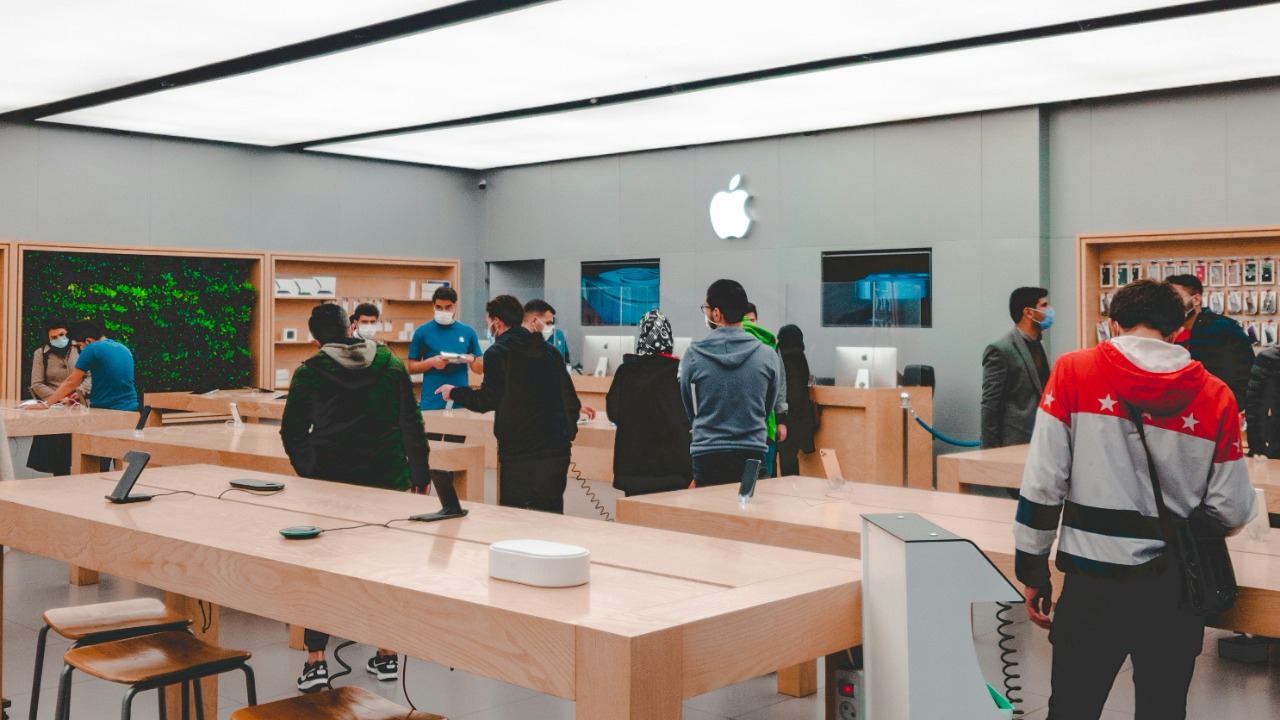
Smartphones used to be the upgrade engine of the consumer economy, pulling people into stores every two years and rippling spending across carriers, chipmakers, app developers, and retailers. Now upgrade cycles are stretching out, and that slowdown is starting to show up not just in device sales but in broader measures of economic momentum. I see a pattern in which longer phone lifespans, while rational for households, are forcing the tech industry and the wider economy to adjust to a world where the next big upgrade is easier to ignore.
Why Americans are holding on to phones longer
The basic economics of a new phone have flipped for many buyers. Flagship devices from Apple and Samsung now routinely cost more than some used cars, while the performance gains from one generation to the next feel incremental rather than transformative. As a result, analysts have documented upgrade cycles stretching from roughly two years toward three or even four, with surveys showing that a growing share of U.S. consumers only replace a phone when the battery fails or the screen cracks rather than when a new model launches, a shift that lines up with reported trends in iPhone upgrade behavior and broader smartphone demand.
Carriers have quietly reinforced this change. Earlier in the smartphone boom, U.S. operators leaned on two-year contracts and heavy subsidies that hid the true price of a device, encouraging frequent swaps. Over the past several years, they have moved to installment plans that stretch payments over 30 or 36 months and reserve the richest trade-in deals for customers willing to stay put, a pattern reflected in reporting on carrier upgrade incentives. When the financial default is to keep paying off the same phone for three years, the psychological default becomes keeping that phone until the last payment clears.
How slower upgrades hit tech companies and GDP
For the companies that built their business models on rapid replacement, the math is unforgiving. Hardware makers lose out on the high-margin sales that come with each new cycle, which helps explain why global smartphone shipments have sagged compared with their mid-2010s peak and why executives now talk more about “installed base” than “unit growth,” a shift that tracks with data on shipment declines. Chip suppliers, from application processors to modem makers, feel the same chill, since every extra year a phone stays in a pocket is a year without a new component order.
The drag extends beyond the tech sector into headline economic statistics. Consumer electronics are a meaningful slice of durable goods spending, and when households delay a $1,000 purchase by a year or two, that deferral shows up in slower growth for personal consumption expenditures, a trend economists have linked to the plateau in real consumer spending on communication equipment. Retailers that once counted on big launch weekends to juice quarterly results, from carrier stores to big-box chains, now face lumpier demand and must lean harder on accessories, financing, and service plans to fill the gap.
The ripple effects on apps, advertising, and innovation
Longer device lifespans also reshape the digital ecosystem that sits on top of the hardware. When users cling to older phones, developers have to support a wider range of operating system versions and performance profiles, which slows the rollout of features that depend on the latest chips or sensors. Game studios and camera app makers, for example, have reported holding back on graphics-heavy or AI-driven features until a critical mass of the installed base can run them smoothly, a tension that shows up in platform data on OS adoption and in benchmarks for new mobile processors.
Advertising and subscription businesses feel a subtler but real impact. Many of the most lucrative ad formats and personalization tools rely on newer operating system capabilities, from on-device machine learning to privacy-preserving tracking frameworks. When a sizable share of users stay on older hardware and software, publishers cannot fully standardize on those tools, which limits both targeting precision and the kinds of immersive formats that brands are willing to pay a premium for, a constraint reflected in reports on digital ad growth and the adoption of privacy-focused APIs. Slower upgrades do not just dent hardware revenue; they subtly cap the upside of the services that were supposed to replace it.
Why a slower cycle might still be a healthy reset
There is a case that this cooling of the upgrade treadmill, while painful for quarterly earnings, is a rational and even healthy adjustment. Phones have reached a level of maturity where a three-year-old flagship can still handle TikTok, mobile banking, and high-end games without strain, and consumers are responding by treating them more like appliances than fashion accessories. Environmental advocates have also pointed to the reduction in e-waste and the lower demand for energy-intensive chip fabrication that comes with fewer new devices, arguments that align with lifecycle assessments of smartphone emissions and broader studies of digital energy use.
For the economy, the challenge is not that people are spending less overall but that spending is shifting. Money that might once have gone to a new iPhone 16 Pro or Galaxy S25 Ultra can instead flow into used cars, travel, streaming bundles, or home upgrades, categories that have shown resilient demand in recent consumer data from the labor market and retail sales. The smartphone supercycle was never going to last forever. As Americans stretch the life of the devices they already own, the companies that depended on constant churn will have to compete harder for each upgrade, and the broader economy will need to find its next reliable engine of everyday spending.
More From TheDailyOverview
- Dave Ramsey says these two simple questions show whether you’re rich or poor
- Retired But Want To Work? Try These 18 Jobs for Seniors That Pay Weekly
- IRS raises capital gains thresholds for 2026 and what’s new
- 12 ways to make $5,000 fast that actually work

Grant Mercer covers market dynamics, business trends, and the economic forces driving growth across industries. His analysis connects macro movements with real-world implications for investors, entrepreneurs, and professionals. Through his work at The Daily Overview, Grant helps readers understand how markets function and where opportunities may emerge.

