American consumers are being squeezed from multiple directions at once, and the pattern looks less like a normal business cycle and more like a new, harsher kind of economy. Prices are still elevated, debt loads are heavier, and the buffers that once cushioned shocks are thinning out for households up and down the income ladder. The warning signs are no longer confined to a few struggling groups, they are showing up in the data, in corporate earnings calls, and in the monthly bills landing in mailboxes.
What is emerging is an environment where growth on paper coexists with growing fragility in daily life, a split-screen reality that leaves many Americans feeling prosperous one moment and precarious the next. I see that tension in the way people talk about their budgets, their jobs, and their hopes of owning a home, and it is increasingly echoed in the numbers that economists and executives are flagging as trouble.
The middle-class squeeze and a pullback in spending
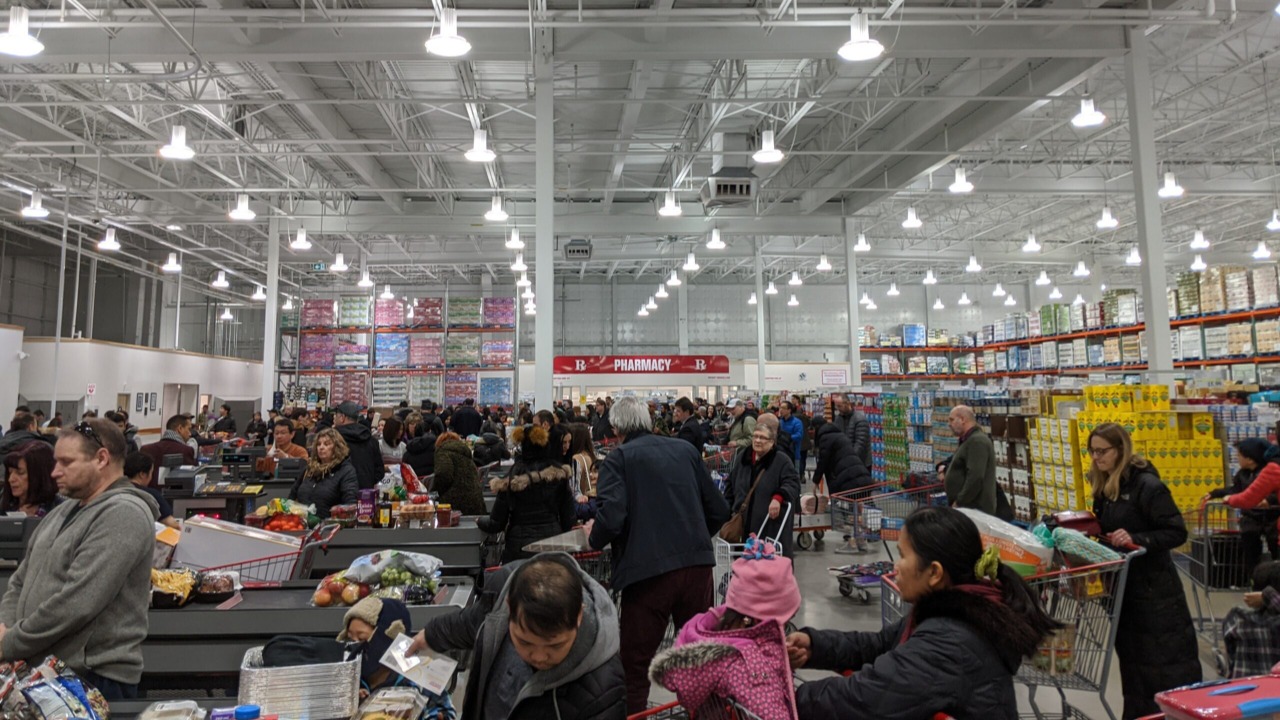
The most visible stress point is the middle class, where higher prices and heavier borrowing costs are colliding with paychecks that no longer stretch as far. Reports of accelerating inflation, record household debt, and families cutting back on nonessential purchases have become a drumbeat, with Signs of financial strain now visible in everything from grocery carts to travel plans. When people who once felt comfortably middle class start trading down from brand-name cereal to store brands, or shelving plans for a summer road trip in that 2018 Honda CR‑V, it is not just thrift, it is a signal that their margin for error is shrinking.
Retailers that depend on those shoppers are starting to feel it. Executives who once counted on steady demand from suburban homeowners are now warning that customers are delaying home projects, skipping big-ticket items, and hunting for discounts. The bigger picture is that middle-income households are not only tightening belts, they are doing so at the same time job cuts are rising sharply, with US employers announcing 153,074 layoffs in Octobe. At the moment when families most need stable paychecks, the labor market is starting to look less like a safety net and more like another source of anxiety.
High-income caution and the erosion of financial cushions
What makes this period feel different is that the strain is not limited to lower and middle earners. I am seeing signs that even affluent households, the ones who usually keep spending through rough patches, are pulling back. Analysts tracking card data and survey responses say that High-income households are at yearly lows for spending-cut intentions, a shift that TD Securities head of thematic content Tristan sees as “a little concerning.” When people with six-figure incomes start canceling ski trips, delaying kitchen remodels, or swapping out luxury gym memberships for cheaper apps like Peloton or Nike Training Club, it suggests that even the top tier is feeling less secure about the future.
At the same time, the traditional paths to building security are narrowing. Earlier this month, commentary on the next downturn warned that Even modest families who once dreamed of owning a home are locked out by mortgage rates that feel like bad punchlines. Instead of trading rent checks for equity, they are watching housing costs climb while student loans, auto payments on cars like a 2022 Toyota RAV4, and medical bills eat into what is left. The result is a thinner cushion across the board: fewer savings, more reliance on credit cards, and less room to absorb a surprise expense or a sudden job loss.
Rising bills, rising risks, and a government under strain
For many households, the most unforgiving pressure point is not a big purchase but the monthly bills that keep the lights on. Utility costs have climbed to the point where More people are falling behind on paying to heat their homes and power their appliances, a trend that regulators and consumer advocates see as a warning sign for the broader US economy. When families start juggling which bill to pay first, or letting a balance ride on a utility account just to keep up with rent and groceries, it is a clear marker that the basic cost of living has outrun their income.
The stress is not confined to households. The federal balance sheet is flashing its own warning lights, raising questions about how much help Washington can provide if the slowdown deepens. Bond investor Jeffrey Gundlach, often dubbed the “Bond King,” has pointed out that Currently, interest expense consumes about 30% of the $5 trillion in federal tax receipts, a share that is poised to climb as older, cheaper debt is refinanced at higher rates. That means a larger slice of every tax dollar is going to past borrowing rather than future investment, leaving less room for safety-net expansions, infrastructure upgrades, or targeted relief if layoffs accelerate and consumer spending stalls.
Put together, these threads form a picture of an economy that is still growing on the surface but increasingly brittle underneath. Middle-class shoppers are cutting back, high earners are turning cautious, basic bills are harder to pay, and the government’s own finances are tightening just as private balance sheets weaken. I see in that combination the outlines of a new kind of economy, one where volatility is the norm and resilience is unevenly distributed, and where ignoring the warning signs would be its own kind of risk.
More From TheDailyOverview
- Dave Ramsey says these two simple questions show whether you’re rich or poor
- Retired But Want To Work? Try These 18 Jobs for Seniors That Pay Weekly
- IRS raises capital gains thresholds for 2026 and what’s new
- 12 ways to make $5,000 fast that actually work

Grant Mercer covers market dynamics, business trends, and the economic forces driving growth across industries. His analysis connects macro movements with real-world implications for investors, entrepreneurs, and professionals. Through his work at The Daily Overview, Grant helps readers understand how markets function and where opportunities may emerge.

