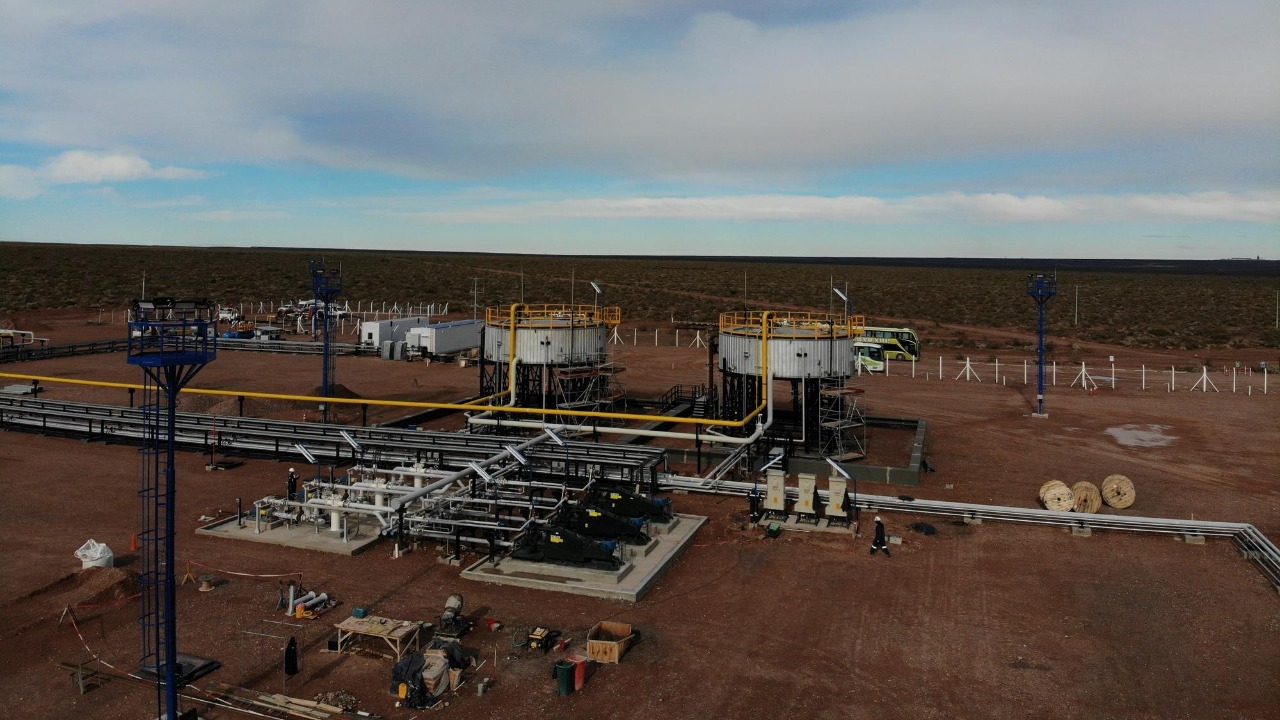
America’s most productive oil patch is now grappling with a hidden threat building beneath its rigs and pump jacks. As drillers chase record output, the Permian Basin is accumulating toxic, high pressure wastewater in aging rock layers that were never designed to hold it. The result is a vast industrial system that increasingly resembles a geological pressure cooker, with regulators, companies and nearby communities all racing to keep the lid from blowing.
The stakes reach far beyond West Texas and southeastern New Mexico. The Permian Basin underpins United States oil supply, yet its future now hinges on whether operators can manage the poisonous water, rising pressures and leak risks that come with modern shale production. What looks like an engineering problem is quickly becoming a test of how long the country can lean on this field without triggering a slow motion environmental disaster.
How the Permian became America’s indispensable oil engine
The Permian Basin did not become the center of United States oil production by accident. Layers of shale and conventional rock stacked across West Texas and New Mexico turned the region into a dense hydrocarbon factory, with horizontal drilling and hydraulic fracturing unlocking reserves that earlier generations could not reach. The result is a landscape where thousands of wells now tap formations spread beneath counties like Midland, Reeves and Culberson, all feeding a network of pipelines and processing plants that tie directly into the national energy system.
That scale has made the Permian Basin the country’s most important oil field and, as some analysts note, the world’s biggest shale oil production basin. In a video report, the Permium Basin is described as having helped revolutionize the global oil market by flooding it with new barrels at a time when conventional fields elsewhere were aging. The same geography that made the region a magnet for investment, with easy access to Gulf Coast refineries and export terminals, now means any disruption in its output would ripple quickly through gasoline prices, petrochemical plants and even global energy security.
The toxic water problem no one can ignore
Every barrel of oil pulled from the Permian Basin comes with a hidden companion: a larger volume of toxic, salty water that must be handled safely. Operators separate this “produced water” at the surface, then typically inject it back underground into disposal wells drilled into older, deeper formations. Over time, that practice has turned parts of the basin into vast underground waste repositories, with volumes rising as companies squeeze more oil from each well.
Reporting on America’s biggest oil field notes that drillers now generate copious amounts of contaminated water that they pump back into the ground, and that some of the reservoirs used for this disposal are starting to behave unpredictably as pressures climb. One account describes how swaths of the Permian appear to be swelling as saltwater builds up again in formations that had been drained of oil and gas. The water is not just salty, it is laced with hydrocarbons and naturally occurring radioactive materials, which means any leak into freshwater aquifers or surface streams could be catastrophic for ranchers, towns and wildlife.
Rising pressure and the “poisonous water leaks” warning
As injection volumes have climbed, regulators in Texas have started to see clear signs that the system is under stress. The Texas Railroad Commission, which oversees oil and gas activity, has warned that the Permian Basin Oil Field is at growing risk of poisonous water leaks as pressures inside disposal zones continue to rise. In technical letters to operators, staff have flagged that the pressure buildup could compromise well integrity and drive contaminated fluids into rock layers that were never meant to hold them.
One detailed analysis of the problem explains that rising pressure could trigger a chain of operational impacts, including well failures, production losses and even induced seismic activity, as outlined in a warning that the Permian Basin Oil Field at Risk of Poisonous Water Leaks, Texas Railroad Commission Warns. Another report notes that the Permian basin is at risk of poisonous water leaks, and that regulators in Texas are tightening scrutiny of new wastewater disposal wells, a shift highlighted in coverage that credits Kevin Crowley and David Wethe with documenting how the Permian is forcing Texas to rethink its approach to water management.
Regulators scramble to keep up with the pressure
Faced with mounting evidence that disposal zones are filling up, the Texas Railroad Commission has begun to adjust its rulebook. The RRC has updated its standard language in letters to producers to emphasize that the integrity of underground injection control is now directly tied to the protection of freshwater resources in Texas. That shift signals that what was once treated as a routine permitting issue has become a core environmental and public safety concern for the state’s top oil and gas regulator.
At the same time, the regulator has started to impose tighter restrictions on some operators. One report notes that the regulator’s stricter limits on wastewater injection came just weeks after Coterra was forced to halt some oil production in Culberson County because of pressure problems linked to disposal wells. The account explains that The RRC is now warning that without changes, the same formations that have safely stored waste for decades could become pathways for contamination. A separate passage in the same coverage underscores that the regulator’s tighter restrictions came after Coterra’s issues in Culberson, a sign that enforcement is now being shaped by real world failures rather than theoretical risk models.
Communities, pipelines and the growing list of hazards
The pressure problem is not confined to remote well pads. As underground reservoirs swell, the risk extends to pipelines, storage facilities and even residential areas that sit above the injection zones. In one account of the crisis, staff at the RRC, including an official named Salas, met in Houston with the Texas Pipeline Association to discuss hazards from increased reservoir pressure. The concerns laid out in that meeting included “confinement failure,” a technical term for when injected fluids break out of their intended rock layer and migrate into other formations or along wellbores.
The same reporting notes that these warnings were delivered as part of a broader discussion about how rising pressures could affect major midstream operators, including companies like Kinder Morgan, which declined to comment on the details. The story describes how Salas and the RRC were trying to alert the Texas Pipeline Association in Houston that the state’s oil boom had created a toxic crisis of the industry’s own making. For communities that rely on groundwater and for workers who maintain pipelines and compressor stations, the idea that high pressure, poisonous water could escape its intended confines is no longer an abstract fear but a scenario regulators are actively modeling.
When wastewater injection starts to break the rock
Scientists and engineers are increasingly worried that the sheer volume of wastewater being injected is changing the subsurface in ways that are hard to predict. Companies have now pumped so much wastewater underground that the Permian’s shallow reservoirs are filling up, exerting pressure on overlying rock and potentially reactivating old faults. That process can lead to small earthquakes, but it can also push fluids into zones that were previously isolated, including formations that hold usable groundwater or that connect to legacy wells drilled decades ago.
One detailed investigation describes how Companies have injected so much water that some oil and gas reserves are being partially flooded out, effectively sacrificing future production to make room for waste. Another account of America’s biggest oil field notes that drillers’ injection of wastewater is creating mayhem across the Permian Basin, with some operators and scientists growing worried about injection into certain formations that appear to be pressurizing faster than expected. That report explains that Drillers are now confronting the possibility that the very practice that allowed them to manage waste cheaply is undermining the long term stability of the field.
Texas regulators sound the alarm in public
For years, much of the debate over wastewater injection played out quietly in technical filings and closed door meetings. That is changing as Texas regulators begin to speak more openly about the risks. One report from Oklahoma Energy Today notes that Texas regulators warn of toxic wastewater leaks in the Permian Basin, and that the Texas utility commission has even sued a water management operator named Waterbridge Operating over related issues. The story underscores that the concern is no longer limited to oil and gas agencies but now involves broader state oversight of water and utility infrastructure.
In that coverage, officials in Texas are described as warning that toxic wastewater leaks in the Permian Basin could threaten both the environment and the reliability of energy infrastructure if not addressed. The fact that Oklahoma Energy Today is tracking the issue highlights how the Permian’s problems are being watched closely in neighboring states that have their own histories with induced seismicity and injection related incidents. As Texas regulators sharpen their warnings, they are effectively acknowledging that the pressure cooker dynamic is real and that the margin for error is shrinking.
Industry experiments and the unresolved question of what to do with all that water
Oil companies are not blind to the risks, and some are experimenting with alternatives to deep disposal. Industry analysts describe operators testing options such as treating produced water for reuse in new fracking jobs, evaporating it in large surface facilities, or even using it for certain industrial processes that do not require freshwater. These efforts are still in their early stages and often face economic and technical hurdles, but they reflect a growing recognition that simply injecting ever larger volumes underground is not sustainable.
One detailed commentary frames this as “An Unresolved Question” for the energy sector, arguing that the industry is trying to balance the need to keep the world powered with the challenge of managing its waste streams. The analysis notes that companies are experimenting with alternatives like treatment and reuse, but that no single solution has yet emerged that can handle the full scale of Permian wastewater. In that context, the piece describes the basin as a kind of pressure cooker, but urges readers to see it as a problem to be managed rather than a reason for panic, a perspective captured in the essay titled An Unresolved Question that weighs the trade offs of different disposal strategies.
Why the pressure problem threatens the Permian’s future
Behind the technical debates lies a simple reality: if operators cannot safely dispose of wastewater, the Permian’s growth story will stall. Some companies have already been forced to curtail production in areas where disposal capacity is constrained or where regulators have capped injection volumes to protect groundwater and reduce seismic risk. That creates a feedback loop in which the very success of the basin, measured in record oil output, accelerates the buildup of waste that could limit future drilling.
One detailed narrative of America’s biggest oil field explains how companies pivoted to shallow reservoirs for disposal when deeper zones became saturated, a move that solved short term bottlenecks but has created unintended consequences. The report notes that pressure is mounting and saltwater is building up again, with scientists warning that some formations are now behaving like sealed containers that are being overfilled. In that account, Companies are portrayed as racing to adjust their strategies before regulators impose even stricter limits or before a major leak forces a sudden shutdown. For a field that has come to symbolize American energy dominance, the idea that its fate could hinge on wastewater management is a stark reminder that geology and physics still set the ultimate boundaries.
The bigger picture: climate, groundwater and a region on edge
The Permian’s pressure crisis is unfolding against a backdrop of broader environmental and climate concerns. Communities across West Texas already face chronic water stress, with aquifers under strain from agriculture, cities and industry. The prospect of poisonous water leaks into freshwater resources adds a new layer of anxiety for residents who depend on wells for drinking water and for ranchers whose livelihoods hinge on reliable supplies. At the same time, the field’s massive oil output feeds global carbon emissions, raising questions about how long the world can rely on such intensive fossil fuel extraction.
Satellite imagery and mapping tools show just how extensive the industrial footprint has become, with dense clusters of wells, roads and pipelines stretching across the landscape. One mapping resource highlights the Permian as a sprawling patchwork of development that now defines much of West Texas. As I weigh the reporting, I see a region that has become indispensable to the United States energy system but is now confronting the physical limits of how much waste its rocks can absorb. Whether regulators, companies and communities can defuse this pressure before it triggers a larger crisis will shape not only the future of the Permian Basin, but also the trajectory of American oil in a world that is slowly, and unevenly, trying to move beyond it.
More From TheDailyOverview

Grant Mercer covers market dynamics, business trends, and the economic forces driving growth across industries. His analysis connects macro movements with real-world implications for investors, entrepreneurs, and professionals. Through his work at The Daily Overview, Grant helps readers understand how markets function and where opportunities may emerge.

