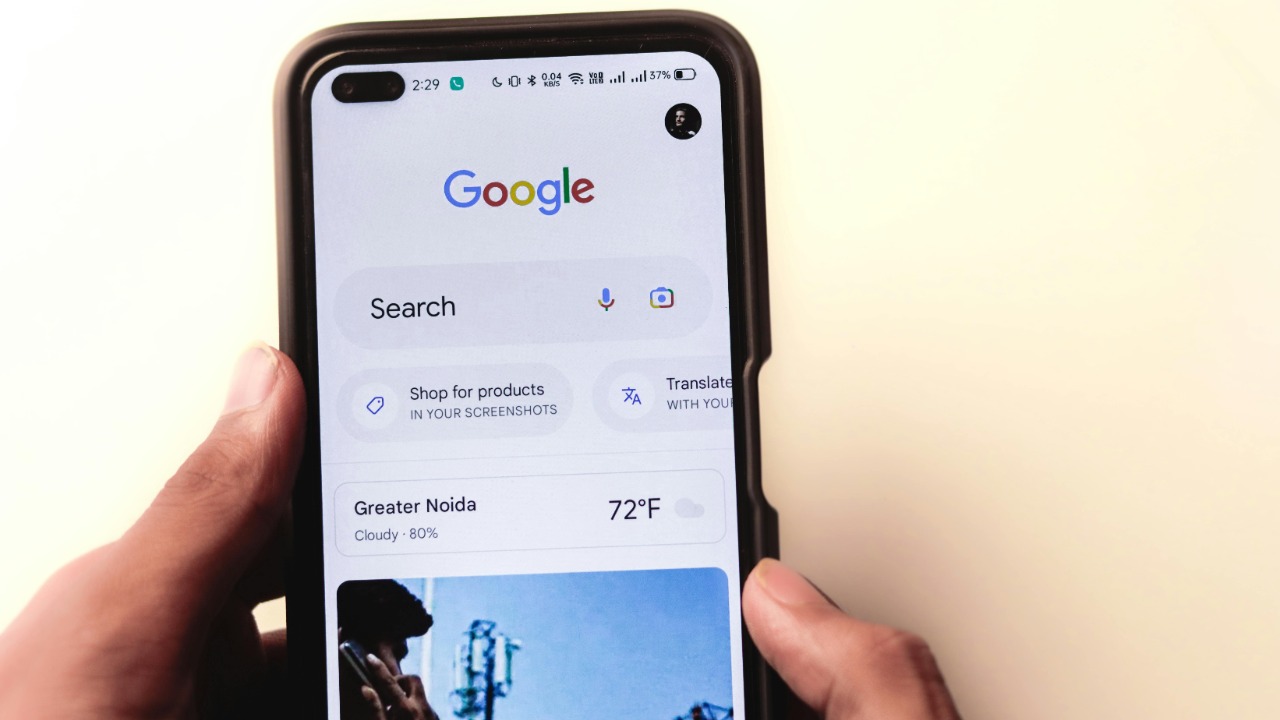
Google has agreed to pay $135 million to settle a class action lawsuit alleging that Android phones secretly consumed users’ cellular data, even when apps were closed and phones were locked. The deal, if approved, could put up to $100 in the pockets of eligible Android users across most of the United States. But the path from settlement announcement to actual payout is narrower than it looks, and the fine print matters more than the headline number.
What the Lawsuit Actually Alleges
The case, titled Taylor et al v. Google LLC, was filed in November 2020 in the U.S. District Court for the Northern District of California, before Magistrate Judge Virginia K. DeMarchi. The core accusation is straightforward: Google’s Android operating system allegedly used customers’ paid cellular data to transmit information back to Google servers without meaningful consent. According to the complaint, this traffic occurred in the background, even when users had closed their apps, locked their phones, or disabled certain settings that they reasonably believed would stop data transfers.
The legal theory here is notable because it treats cellular data as a form of personal property rather than an abstract service. Plaintiffs advanced a claim for “conversion,” arguing that Google effectively appropriated bandwidth users had purchased for its own purposes. Framing data usage as theft of a tangible asset matters: if courts accept that theory, it could support similar lawsuits whenever a company quietly uses metered data, storage, or other paid digital resources without clear authorization. The case has been active for years, with settlement-related filings continuing into early 2026 as the parties work through the details of class certification, notice, and distribution.
The $135 Million Deal and Its Limits
Under the proposed settlement, Google would contribute $135 million to a common fund that will cover payments to class members, attorneys’ fees, and administrative costs. Individual payouts will be calculated on a pro-rata basis from whatever remains after those expenses. Reporting on the deal notes that the widely quoted “up to $100” payout is a ceiling rather than a guaranteed amount; the actual checks could be far smaller if millions of eligible Android users file claims. In typical consumer class actions, participation rates can be low, but even a modest response could quickly dilute the per-person recovery.
The settlement is not yet final. A federal judge must still grant preliminary and then final approval, a process that includes reviewing the terms for fairness and giving class members a chance to object or opt out. That review will draw on the parties’ submissions and the court’s own procedures for managing large civil dockets. The timeline from proposed settlement to actual payments can stretch many months, especially if there are objections or appeals. And there is a key carve-out: Android users in California are excluded from this deal because their claims are being handled in a separate state-focused case, which has already produced a substantial jury verdict.
Why California Gets Its Own Lane
The carve-out for California reflects the state’s distinct legal landscape and litigation history on this issue. California plaintiffs brought their own case under state law and ultimately secured a jury verdict exceeding $300 million on related theories about unauthorized cellular data use. That outcome gave California residents a different, and potentially more lucrative, path to recovery than a nationwide settlement fund could provide. Folding them into the Taylor settlement would have risked conflict with the existing judgment and might have reduced their per-person recovery.
For Android users outside California, the national settlement functions as a separate track that aims to resolve similar allegations without disturbing the state-level result. This split underscores how powerful state privacy and consumer-protection laws can be in shaping outcomes, and it highlights why large companies often face a patchwork of exposure rather than a single unified case. It also means that two people with nearly identical phones and usage patterns could see very different legal remedies depending solely on which side of a state line they live on.
A Template for Future Privacy Claims
Beyond the immediate payments, the Taylor settlement could serve as a blueprint for future data-usage lawsuits. By treating metered cellular data as a property interest subject to conversion, plaintiffs sidestep some of the hurdles that come with traditional privacy statutes, which often require showing emotional harm or specific statutory violations. If the federal court ultimately approves the agreement, it will validate a model in which a defendant funds a pot of money, class members receive pro-rata distributions, and lawyers are compensated from the same pool under court supervision. That structure gives companies certainty about their maximum exposure while offering consumers at least some monetary redress.
The existence of a tested complaint, a willing court, and a settlement framework that both sides can accept is likely to attract more filings against other tech firms whose software quietly uses mobile data. Plaintiffs’ attorneys now have a playbook: document background data transmissions, tie them to metered plans, and argue that the practice amounts to taking something users paid for. For individual Android owners, however, the practical impact may be limited to a modest check and a slightly more transparent explanation of background data settings. Those who want to go further can also vote with their wallets, whether by choosing more privacy-focused devices or exploring accessories and services from outlets like tech-focused retailers that emphasize control and transparency in how products handle connectivity.
What This Means for Your Phone Bill
For most people, the central concern is whether this case will actually lower their monthly costs or change how much data their phones burn through in the background. The lawsuit’s allegations focus on small but persistent transfers that, over time, could nudge users into higher data tiers or trigger overage charges. If Google modifies Android’s background behavior or clarifies settings as part of the settlement’s non-monetary relief, that could marginally reduce unexpected usage, especially for those on limited plans. Even a few hundred megabytes per month reclaimed from unanticipated background traffic might help some users stay within cheaper plan thresholds.
Still, the settlement alone is unlikely to transform anyone’s phone bill. The more realistic impact is incremental: clearer disclosures, possibly more granular controls over background data, and a heightened awareness that metered bandwidth is a resource companies must treat carefully. Users who want to protect themselves can regularly review their carrier usage reports, audit which apps have permission to use data in the background, and take advantage of built-in tools to restrict background activity when they are near their limits. The Taylor case sends a signal that quietly consuming paid cellular data carries legal risk, and that may encourage not only Google but the broader mobile ecosystem to design services that are less cavalier with the metered connections people rely on every day.
More From The Daily Overview
*This article was researched with the help of AI, with human editors creating the final content.

Cole Whitaker focuses on the fundamentals of money management, helping readers make smarter decisions around income, spending, saving, and long-term financial stability. His writing emphasizes clarity, discipline, and practical systems that work in real life. At The Daily Overview, Cole breaks down personal finance topics into straightforward guidance readers can apply immediately.

