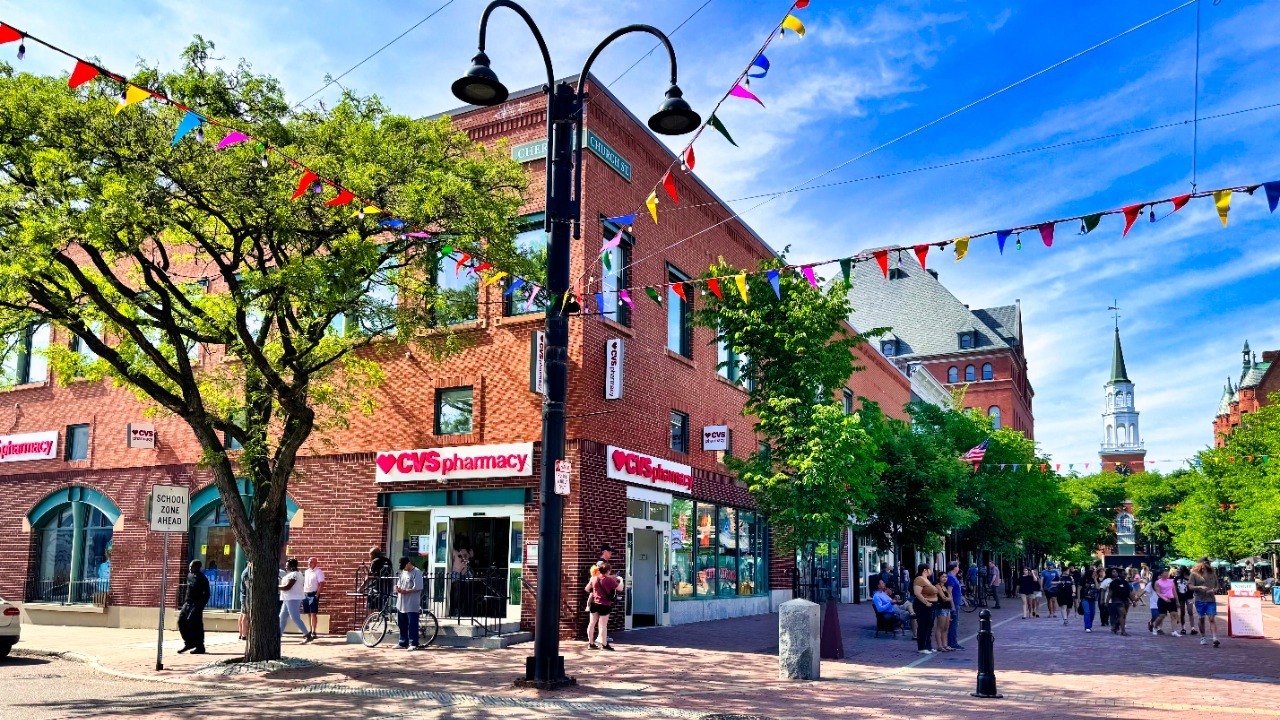
Across the United States, the familiar corner drugstore is vanishing, leaving gaps in care that stretch for miles. A wave of chain bankruptcies, aggressive cost cutting and shifting consumer habits is turning once-routine prescription pickups into multi-hour errands for people who can least afford the extra time or travel. The headline numbers are contested and evolving, but the direction is unmistakable: closures are accelerating, and the fallout is landing hardest on communities with the fewest alternatives.
What began as a slow contraction of big-box pharmacy footprints has tipped into a structural crisis for local health access. As large chains retreat from unprofitable neighborhoods and rural towns, and smaller independents struggle to survive, more Americans are finding that the nearest open pharmacy is no longer around the corner but across a county line.
From corporate retrenchment to nationwide “drug deserts”
The collapse of one major chain after another has redrawn the pharmacy map in just a few years. When Rite Aid filed for bankruptcy a second time and liquidated all assets, it effectively erased a coast-to-coast network of neighborhood stores. At the same time, Walgreens has been closing locations as part of a multiyear restructuring, with plans to shutter 1,200 stores over three years and 500 in a single fiscal year, while CVS has been trimming its own footprint. The result is a patchwork of surviving outlets clustered in affluent or high-traffic corridors, with entire zip codes losing their last full-service pharmacy almost overnight.
Corporate leaders frame these moves as necessary to stay competitive, pointing to changing shopping patterns and the rise of online ordering. Internal strategies like the omnichannel push by Jan-founded brand Winx at Walgreens show how chains are trying to squeeze more revenue from fewer sites, especially after absorbing customers from roughly 2,000 former Rite Aid locations. Yet for patients in the gaps left behind, the business logic does not change the lived reality of longer drives, higher transportation costs and delayed care.
Rural communities and low-income neighborhoods pay the highest price
The closures are not evenly distributed. Research into Rural Communities shows that sparsely populated counties are losing pharmacies at a faster clip, leaving residents in states like Wyoming facing some of the steepest access declines. One national analysis found that Research identified 48.4 m people, roughly 1 in 7 Americans, living in areas with limited pharmacy access, a figure that is rising as more storefronts go dark. In many of these places, the next closest option is not a quick detour but a trip that can stretch to an hour or more each way.
Urban neighborhoods are not spared. Investigations into Empty storefronts across the United States show that closures cluster in low-income and minority communities, where residents are less likely to own cars and more likely to rely on public transit. In Philadelphia, local reporting has documented how The Northe and other neighborhoods are losing pharmacies that once doubled as informal health hubs, where staff knew regulars by name and could spot when someone’s blood pressure medication went unfilled. When those doors close, the loss is social as well as clinical.
Behind the closures: broken economics and shifting care models
Pharmacists and owners point to a tangle of financial pressures that make it hard to keep doors open even when demand for prescriptions is steady. One of the most contentious is the role of pharmacy benefit managers, or PBMs, which negotiate drug prices and reimbursements on behalf of insurers. In southeast Ohio and West Virginia, a regional chain’s shutdown was blamed in part on PBMs that, as one advocate put it, were reimbursing pharmacies less than the cost of the medications themselves. When every prescription is a money loser, even high-volume stores struggle to survive.
Industry analysts add other stressors to the list. Rising labor costs, chronic technician shortages and the expense of maintaining inventory for complex therapies all erode margins. A detailed look at several factors behind pharmacy deserts highlights how reimbursement challenges, higher operating costs, changing consumer behavior and staff shortages combine to push marginal locations over the edge. Chains like CVS have responded with multi-year restructuring plans, with As CVS Health signaling it could close more than 400 stores as it pivots toward clinics and digital care.
More From TheDailyOverview

Alex is the strategic mind behind The Daily Overview, guiding its mission to uncover the forces shaping modern wealth. With a background in market analysis and a track record of building digital-first businesses, he leads the publication with a focus on clarity, depth, and forward-looking insight. Alex oversees editorial direction, growth strategy, and the development of new content verticals that help readers identify opportunity in an ever-evolving financial landscape. His leadership emphasizes disciplined thinking, high standards, and a commitment to making sophisticated financial ideas accessible to a broad audience.

