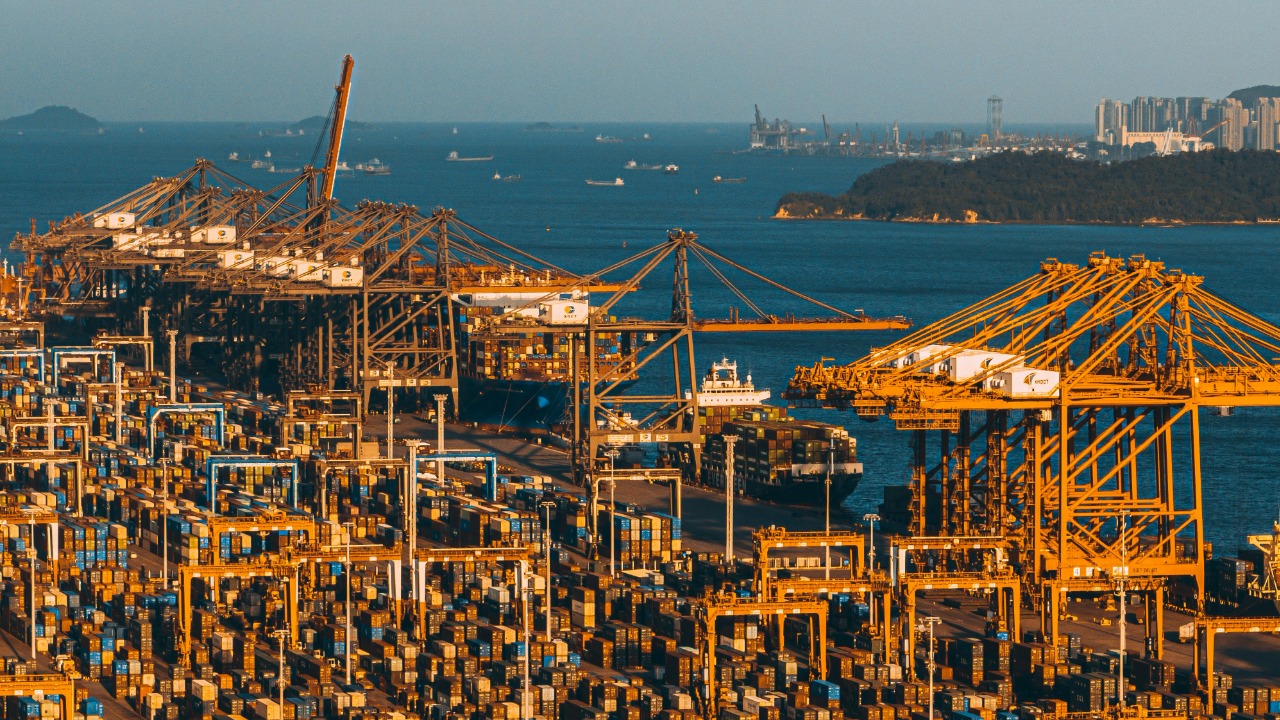
Latin American shop floors and digital marketplaces are being transformed by a tidal wave of low cost Chinese products that are undercutting local manufacturers and reshaping trade ties across the hemisphere. The new Associated Press reporting shows how everything from electric vehicles to fast fashion and household gadgets is arriving at prices regional producers struggle to match, even as consumers embrace the bargains. I see a region caught between short term gains at the checkout counter and long term risks to industrial jobs, bargaining power and its broader relationship with China.
The scale of the Chinese surge
The first thing that jumps out from the new reporting is sheer volume. Chinese imports are now saturating traditional markets and online platforms across Latin American economies that already rely heavily on foreign manufactured goods. Analysts describe conditions in the region as ideal for an export push, with relatively open trade regimes and fragile local industries making it “one of the easiest places for China to offload its excess industrial production.” That push is visible in street stalls stacked with made in China electronics and toys, and in the rapid growth of cross border parcels ordered through apps that promise rock bottom prices.
Behind those storefronts sits a widening macroeconomic imbalance. Trade deficits with China have been growing across the region as its global surplus climbed to a record $1.2 trillion last year, a figure that underscores how central Latin American demand has become to Chinese factories. Regional leaders know they have limited leverage over such a large partner, a point underlined in detailed Takeaways that stress how the relationship now goes far beyond basic commodity trade.
Electric vehicles and the new industrial battleground
Nowhere is the competitive shock clearer than in the auto sector, where Chinese electric vehicle makers are rapidly gaining ground in markets that once looked peripheral to the global EV race. In Brazil, more than 80% of the over 61,000 EVs sold in 2024 were Chinese brands, predominantly BYD and GWM, a market share that would have been unthinkable just a few years ago. Chinese carmaker BYD, which overtook Tesla as the world’s biggest EV maker, recently unloaded from its vessel more than 5,800 EVs in a single shipment, a vivid illustration of how aggressively Chinese firms are targeting the region.
That surge is not limited to one country. In Mexico, sales of Chinese EVs are climbing fast enough to unsettle both domestic assemblers and long established foreign brands that use the country as an export base to the United States. Detailed Here and in other Takeaways, low priced Chinese electric vehicles are described as a central driver of the broader import wave, with policymakers in capitals from Brasília to Mexico City scrambling to decide whether to welcome the investment or shield local plants.
E-commerce, parcels and the 237% shock
While EVs grab headlines, the most disruptive channel for Chinese goods may be the smartphone screen. Latin American consumers are flocking to e-commerce platforms that ship directly from Chinese warehouses, often using small parcel exemptions to avoid duties. In Argentina, the volume of e-commerce imports, mostly from China, soared 237% in October from the same month a year earlier, according to Argentine government data that has jolted local retailers. That kind of spike is not just a story about consumer preference, it is a structural shift in how goods enter the economy, often bypassing traditional importers and tax systems.
Cheap goods from China are welcome news for many Latin American consumers, but they are a headache for local businesses that suddenly find themselves competing with sellers who have no physical presence in their country. Reporting on the influx of made in China products describes how small shop owners complain that customers now use their stores as showrooms before ordering the same items online at a discount, a pattern that has become a political flashpoint in Argentina and beyond. The tension between consumer welfare and industrial policy runs through detailed accounts of how the e-commerce boom is feeding into broader trade policy debates in capitals from Buenos Aires to Mexico City.
Tariffs, pushback and limited leverage
Faced with this wave, governments are experimenting with defensive measures, even as they insist they do not want to provoke a rupture with Beijing. Mexico has long sought to protect local industries, imposing tariffs of up to 50% on imports from China, including automotive products, even as it courts Chinese investment in local plants. Both Brazil and Mexico are also investigating labor and subsidy practices at some Chinese owned factories, reflecting pressure from unions that fear a race to the bottom on wages.
Yet officials concede that “the relationship has become too important economically,” a phrase that captures why Latin American leaders are cautious about escalating. Detailed reporting on regional diplomacy notes that Latin America has limited leverage on China, even as it tries to use trade remedies and new regulations to slow the flood of imports. The same accounts describe how President Donald Trump’s tougher stance on Chinese goods entering the United States has encouraged exporters to redirect some shipments toward markets like Chile, Brazil and Argentina, which are seen as more accessible. That dynamic leaves regional governments trying to fine tune tariffs and customs rules rather than attempting sweeping bans that could backfire.
Winners, losers and the politics of cheap
For ordinary Latin American households, the arrival of low cost Chinese goods is often framed as a welcome relief from inflation and stagnant wages. Consumers in Mexico, Chile and Brazil can now buy smartphones, clothing and household appliances that were once out of reach, a shift that has social as well as economic implications. Cheap goods from China are described as “welcome news” for many Latin American consumers, even as they are portrayed as a “headache” for local businesses that cannot match the prices or the variety.
On the losing side are small manufacturers and retailers who see their margins evaporate. Detailed accounts from markets in Mexico City and industrial towns in Brazil describe shopkeepers watching sales fall by double digits as customers migrate online. One report notes that sales at a traditional toy shop fell by 20%, a figure that has become emblematic of the pressure facing brick and mortar businesses. I see a political fault line emerging between urban consumers who benefit from lower prices and workers in factories and small stores who bear the brunt of the adjustment, a divide that is already shaping debates in legislatures from Chile to Argentina.
More From TheDailyOverview
*This article was researched with the help of AI, with human editors creating the final content.

Grant Mercer covers market dynamics, business trends, and the economic forces driving growth across industries. His analysis connects macro movements with real-world implications for investors, entrepreneurs, and professionals. Through his work at The Daily Overview, Grant helps readers understand how markets function and where opportunities may emerge.

