Apple has announced a special event for March 4 that breaks from its familiar product launch formula. Instead of a single keynote at Apple Park in Cupertino, the company is staging simultaneous press gatherings across three continents and, according to multiple reports, plans to roll out new products through a series of daily press releases in the days leading up to the event. The shift signals a deliberate rethinking of how Apple introduces hardware at a time when its product pipeline is unusually full.
Three Cities, One Morning, No Keynote Stage
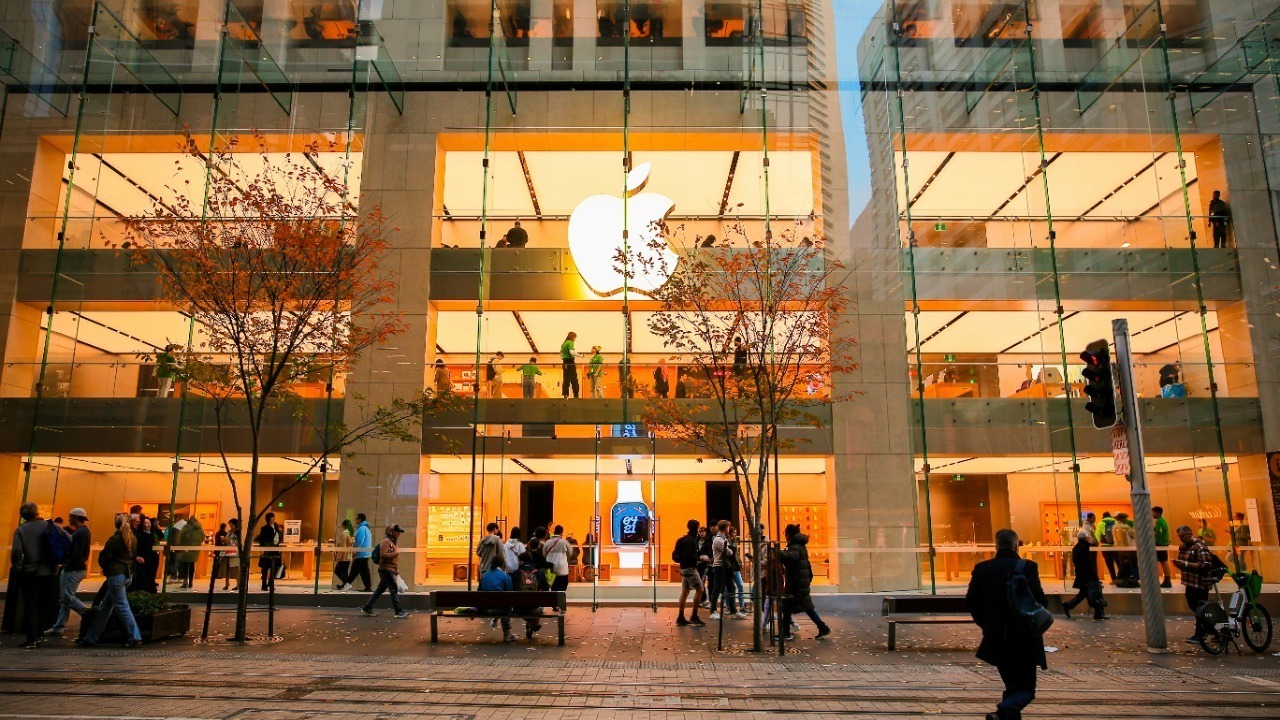
Apple’s invite describes the March 4 gathering as a special in-person showcase set to begin at 9:00 a.m. ET. The primary venue is in New York, with simultaneous press events in London and Shanghai. That three-city format is a stark departure from Apple’s well-established routine of flying journalists to its Cupertino campus for a tightly produced stage presentation, then posting a polished video online for the rest of the world.
The geographic spread suggests Apple wants hands-on product access in multiple time zones on the same day, rather than funneling global attention through a single California theater. By placing events in Europe and Asia alongside the U.S., the company appears to be prioritizing real-time, localized press coverage over the centralized spectacle it has refined for more than a decade. As reporting from The Verge points out, the invite itself reveals little about what will actually be shown, which only adds to the intrigue around the format change.
A Week of Rolling Announcements
The March 4 event may not even be the starting gun. Reports point to a day-by-day cadence of Newsroom updates beginning Monday, March 2 and running through Wednesday, March 4. Under this plan, Apple would space out individual product reveals across the week rather than packing them into a single presentation. The March 4 gatherings would then serve as hands-on demo sessions where journalists can try hardware that has already been formally announced.
That sequencing inverts the usual Apple playbook. Traditionally, the company builds anticipation toward one reveal event, drops everything at once, and then opens a hands-on area backstage. A staggered approach lets each product claim its own news cycle. An iPhone announcement on Monday would not have to compete for attention with a MacBook reveal on Tuesday or a new display on Wednesday. For a company that reportedly has an unusually large batch of products ready to ship, spreading the announcements out is a practical way to ensure none of them gets buried and that each device can be framed with a clear narrative and targeted marketing assets.
What Apple Is Expected to Show
The product list rumored for early March is long. Apple is reportedly preparing the iPhone 17e and a refreshed budget iPad, with additional updates to the iPad Air and MacBook Pro also in the pipeline. That alone would make for one of the busiest spring product cycles Apple has attempted in years, and it does not account for the rest of the lineup. The iPhone 17e is described as a more affordable model that still benefits from some of the company’s latest design and silicon work, while the entry-level iPad is expected to bring newer features to a price-sensitive segment that has not seen major changes recently.
Later reporting added more items to the expected slate. A low-end MacBook and an updated external display are also anticipated for the March 4 window. The MacBook Pro, in particular, is described as overdue by months, making its refresh one of the more closely watched updates among professional users who have delayed purchases. Whether Apple splits MacBook Air and MacBook Pro announcements across different days or bundles them remains unclear, but the sheer number of expected products helps explain why the company might need more than a single event to do them justice and why a rolling series of press releases could prevent any one category from overshadowing the others.
Why the Old Format No Longer Fits
Apple’s keynote model was designed for a different era of product launches. When the company released one or two major devices per season, a 90-minute stage show could give each product a thorough introduction with demos, developer context, and pricing details. Cramming five or more hardware refreshes into that same format risks turning the presentation into a blur of spec sheets. Audiences tune out, journalists struggle to cover everything in depth, and individual products lose the spotlight they need to drive consumer interest. The more Apple’s lineup has expanded, the harder it has become to maintain the tight storytelling that once defined its keynotes.
The staggered approach also reflects a competitive reality. Samsung, Google, and other rivals have moved toward more frequent, smaller-scale product drops throughout the year, often tied to targeted online campaigns rather than large in-person events. Apple’s insistence on big seasonal events has sometimes meant that updated hardware sits in warehouses while the company waits for the right calendar moment. If the March rollout works as reported, it could give Apple more flexibility to ship products as soon as they are ready rather than holding them for a theatrical debut. That speed matters especially for devices tied to new software features or AI capabilities, where delays can hand competitors a window to establish their own narrative and capture early adopter enthusiasm.
The Global Staging Is the Real Tell
Plenty of tech companies hold press events outside their home markets. But Apple has built an almost ritualistic attachment to Cupertino as the center of its product universe. Steve Jobs Theater, the underground auditorium at Apple Park, was purpose-built to host exactly the kind of controlled reveal that the March 4 event is skipping. Choosing New York as the primary venue, with London and Shanghai running in parallel, is not just a logistical decision. It is a statement about where Apple sees its audience and its growth, and about the need to meet media and partners where they are rather than expecting them to make the trip to California.
Shanghai’s inclusion is particularly telling. China remains Apple’s most important market outside the United States, and the company has faced intensifying competition there from Huawei and other domestic brands. Giving Chinese media same-day, in-person access to new hardware, rather than asking them to watch a livestream from California, is a way to signal commitment to that market and to shape the local narrative more directly. London serves a similar function for European press, where Apple’s regulatory and commercial stakes have grown considerably amid antitrust scrutiny and evolving digital rules. The multi-city format turns a product launch into a coordinated global campaign, which is harder to execute but potentially far more effective at generating simultaneous worldwide coverage and consistent messaging.
What This Means for Consumers
For people waiting to buy new Apple hardware, the practical effect of this format shift could be faster availability. If Apple announces the iPhone 17e on Monday and it has already cleared regulatory approvals, pre-orders or even immediate availability could follow within days rather than the weeks-long gap that sometimes follows a keynote. The same logic applies to the entry-level iPad and refreshed MacBooks: a press-release announcement does not require the same lead time as a staged event, so the gap between “here it is” and “you can buy it” could shrink. For buyers who time purchases around product cycles, a more predictable, tightly coupled announcement-and-release window would reduce the uncertainty that often surrounds spring hardware updates.
The hands-on demos on March 4 also change the information flow for buyers. Instead of relying on Apple’s own marketing video and a handful of first-look articles from journalists who had 15 minutes with a device in a crowded demo room, consumers could see detailed coverage from reporters in three different cities, each with potentially different demo setups and access. More coverage from more locations means more independent assessments before a purchase decision, which benefits anyone trying to decide between, say, the entry-level iPad and the iPad Air or between a low-end MacBook and a more expensive Pro model. Localized impressions (how battery life looks in early tests, how camera performance handles different lighting, how keyboards feel over longer sessions) are likely to surface faster when more reviewers are touching the hardware at the same time.
A Test Run or a Permanent Shift
Whether Apple treats the first week of March as an experiment or a template for future launches will depend on how the results compare to its traditional approach. Keynotes generate massive simultaneous viewership and social media buzz that is hard to replicate with a press release, especially when Apple can choreograph surprise moments and live demos. Apple’s marketing team has spent years perfecting the art of the stage reveal, and abandoning it entirely would mean giving up one of the company’s most distinctive brand assets. The more likely outcome is a hybrid model, where flagship iPhone launches in the fall retain the big-event treatment while spring and mid-cycle refreshes use the staggered, multi-city format to keep the calendar full without overloading any single show.
Still, the very fact that Apple is willing to try something different with this many products on the line suggests internal confidence that the old way is not the only way. The company has historically been slow to change its public-facing rituals, from the “one more thing” tradition to the precise choreography of its retail store openings. If the March rollout drives strong press coverage and consumer engagement across all three cities, it could reshape how Apple thinks about launch logistics, how it allocates attention across its expanding hardware portfolio, and how quickly it moves devices from factory lines into customers’ hands. For now, March 4 stands as both a packed product moment and a live test of whether Apple can reinvent the launch-day playbook without losing the sense of occasion that has long set its announcements apart.
More From The Daily Overview
*This article was researched with the help of AI, with human editors creating the final content.

Grant Mercer covers market dynamics, business trends, and the economic forces driving growth across industries. His analysis connects macro movements with real-world implications for investors, entrepreneurs, and professionals. Through his work at The Daily Overview, Grant helps readers understand how markets function and where opportunities may emerge.