Apple has begun shipping its first American-made AI servers from a new Houston plant directly into the company’s data centers, marking a significant step in domestic production of advanced computing hardware. This development coincides with the opening of a massive Texas factory poised to generate thousands of jobs in the region. Production at the facility has accelerated ahead of schedule, aligning with broader calls for U.S.-based manufacturing of AI infrastructure.
New Houston Facility Ushers in Domestic AI Server Production
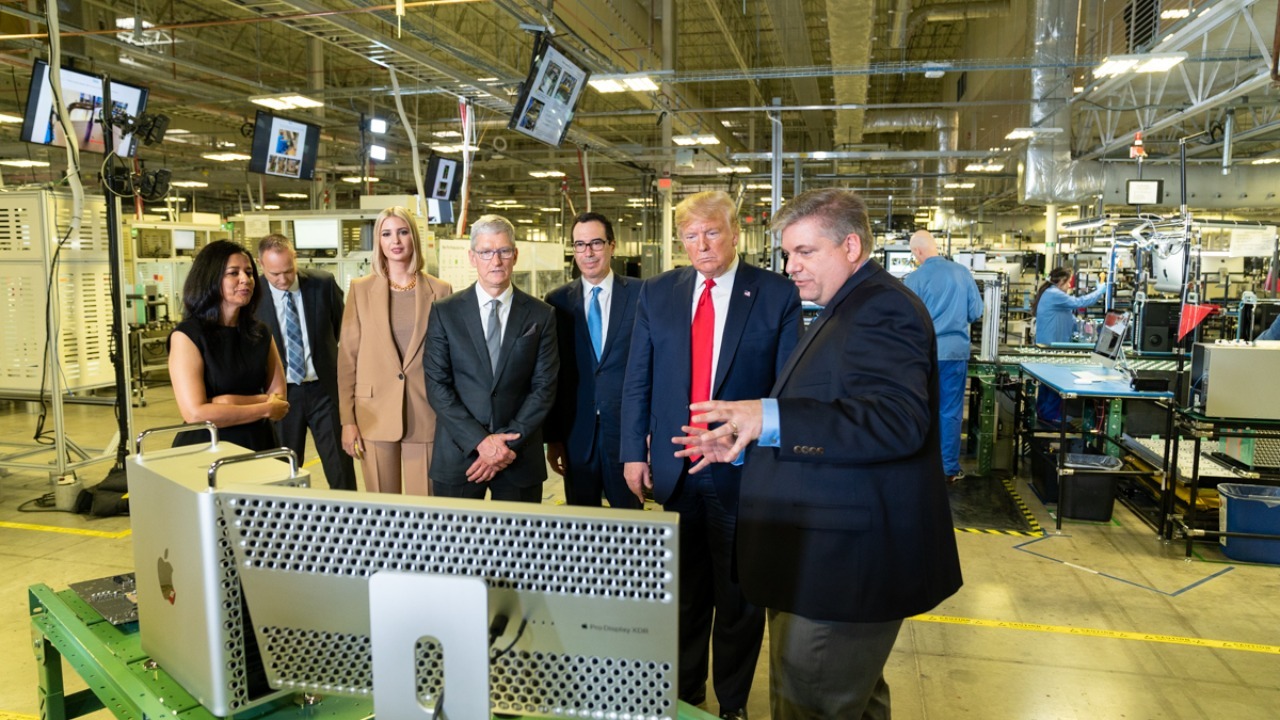
Apple’s new facility in Houston represents a pivotal moment in the company’s strategy to localize the production of AI servers. This massive factory is dedicated to building American-made AI servers, marking Apple’s first such U.S.-based operation for this technology. The facility is designed to deliver U.S.-manufactured AI servers, with initial shipments now underway from the Houston plant to support Apple’s expanding data center needs. This move is a response to political pressures for onshore production, including a specific call from former President Trump to prioritize American-made technology.
The Houston site is not just a response to political pressures but also a strategic move to enhance Apple’s supply chain resilience. By producing AI servers domestically, Apple aims to reduce its reliance on overseas manufacturing, which has been a significant concern amid global supply chain disruptions. This shift is expected to enable faster deployment of U.S.-built hardware, aligning with the company’s broader goals of sustainability and efficiency in its operations.
Shipping Milestone Achieved Ahead of Schedule

Apple has achieved a significant milestone by starting to ship American-made AI servers ahead of the original timeline. The first units began moving from the Houston facility as early as October 23, 2025. These shipments include Apple’s initial batch of domestically produced AI servers, targeted for integration into the company’s own data centers to enhance AI capabilities. This accelerated rollout underscores a shift from prior reliance on overseas manufacturing, enabling faster deployment of U.S.-built hardware.
The early shipments from Texas highlight Apple’s commitment to meeting the growing demands for AI infrastructure. By advancing its production schedule, Apple demonstrates its ability to adapt to market needs and political expectations. This proactive approach not only strengthens Apple’s position in the tech industry but also sets a precedent for other companies considering domestic production as a viable option.
Economic and Strategic Impacts of the Texas Initiative

The opening of the massive Texas factory is projected to create thousands of jobs in Houston, significantly boosting local employment in high-tech manufacturing sectors. This development is a direct response to calls for domestic production, such as those from political figures like Trump. By establishing a robust manufacturing presence in the U.S., Apple positions itself to meet the increasing demands for AI infrastructure while reducing supply chain vulnerabilities.
This initiative signals a broader change in Apple’s strategy, with the Houston plant serving as a hub for ongoing U.S.-made AI server deliveries to data centers nationwide. The economic impact of this move extends beyond job creation, as it also fosters innovation and technological advancement within the region. As Apple continues to expand its domestic production capabilities, it sets a benchmark for other tech companies to follow, potentially reshaping the landscape of American manufacturing in the tech industry.
For more details, visit TweakTown, Chron, Precedence Research, MacDailyNews, and Seeking Alpha.
More From TheDailyOverview
- Dave Ramsey warns to stop 401(k) contributions
- 11 night jobs you can do from home (not exciting but steady)
- Small U.S. cities ready to boom next
- 19 things boomers should never sell no matter what

Alex is the strategic mind behind The Daily Overview, guiding its mission to uncover the forces shaping modern wealth. With a background in market analysis and a track record of building digital-first businesses, he leads the publication with a focus on clarity, depth, and forward-looking insight. Alex oversees editorial direction, growth strategy, and the development of new content verticals that help readers identify opportunity in an ever-evolving financial landscape. His leadership emphasizes disciplined thinking, high standards, and a commitment to making sophisticated financial ideas accessible to a broad audience.