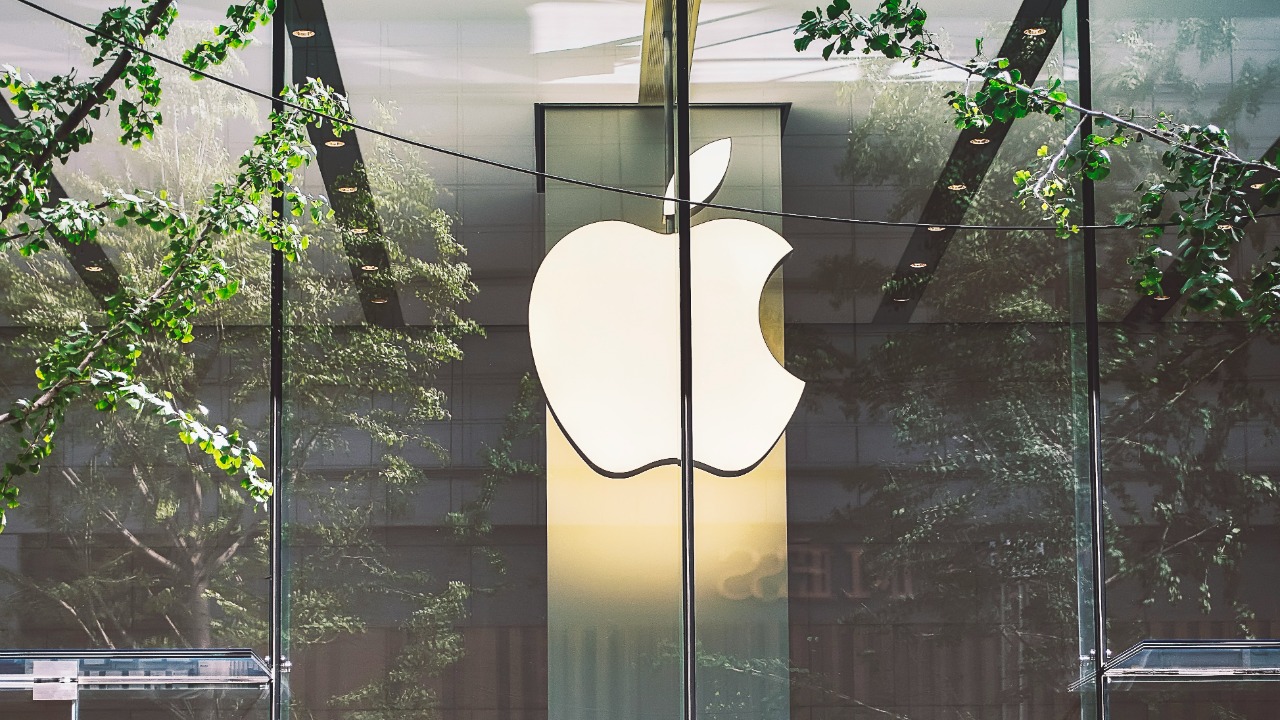
Apple sent invitations for what it calls a “special Apple Experience” set for March 4, 2026, and the unusual format has already triggered intense speculation across the tech world. Instead of the familiar single-venue Apple Park-style keynote, the invite points to coordinated gatherings in multiple cities, a departure that raises questions about what kind of product or platform could justify such a rollout. The invitations offer no product details whatsoever, leaving fans and analysts to fill the vacuum with their own theories.
Three Cities, One Morning, Zero Details
The event is scheduled for 9:00 a.m. ET on March 4, with coordinated gatherings in New York, London, and Shanghai reported by MacRumors. That multi-city structure alone sets this apart from the vast majority of Apple product launches over the past decade, which have typically centered on a single stage, whether at the Steve Jobs Theater or a virtual stream broadcast from Apple Park. Staging press events across three continents at the same time requires significant logistical investment, which could suggest Apple wants whatever it plans to show to be experienced in person rather than watched on a screen.
The invitation itself uses the word “experience” rather than “event” or “keynote,” a branding choice that has not gone unnoticed. Apple provided no product details in the invitation, and the accompanying artwork offers visual intrigue without concrete hints. That level of secrecy is not new for Apple, but the scale of the secrecy is. When the company withholds information ahead of a single-venue keynote, the speculation stays manageable. When it does so while booking venues on three continents, the information gap becomes a story in its own right, turning the absence of information into a deliberate narrative device.
Why This Format Breaks Apple’s Playbook
Apple has refined its product launch formula over two decades: a tightly scripted keynote, a live or pre-recorded stream, and a controlled hands-on area for select press afterward. This event follows few of those conventions. Reporting from The Verge highlights the setup as a coordinated press gathering rather than a typical Apple Park keynote, noting the rarity of a multi-location structure paired with ambiguous branding. That distinction matters because the format itself communicates something about the product category. A standard iPhone or MacBook refresh does not need simultaneous hands-on sessions in Shanghai and London. Something that requires physical presence to understand, such as a wearable device, an augmented reality platform, or a spatial computing experience, would.
The timing also deviates from Apple’s recent patterns. Spring events in the past few years have typically landed in late March or early April and focused on iterative updates to iPads, Macs, or software services. A March 4 date is earlier than usual, and the “experience” label suggests this is not a routine product cycle announcement. Analysis from Macworld underscores the departure from Apple’s usual livestreamed keynotes in both timing and format, reinforcing the idea that the company is deliberately signaling a break from its own established rhythm. In that context, the structure of the event becomes as much a message as whatever product eventually appears onstage.
The Strategy Behind Controlled Ambiguity
Apple’s decision to reveal nothing about the event’s content appears deliberate. The company has long benefited from the way limited details can fuel media coverage and social media discussion. In the wake of the invite, much of the tech press and online Apple community has moved into speculation mode, effectively amplifying attention in the weeks before the event. The tradeoff is that expectations inflate rapidly, and if the actual announcement does not match the scale of the buildup, the backlash can be sharp. Apple has faced this dynamic before with launches that were solid by normal standards but were judged harshly because the rumor mill had primed audiences for something more revolutionary.
The “experience” branding adds another layer to this strategy. By framing the event as something attendees will participate in rather than passively watch, Apple is priming expectations for a product that involves interaction, whether that means wearing something, touching something, or moving through a space. This is not the language Apple uses for a new color option on an existing phone. It is the kind of language that preceded the original Apple Watch introduction and, more recently, the Vision Pro announcement. The word choice is doing real work here, setting a tone that the company clearly wants associated with whatever March 4 holds, while still leaving enough ambiguity for Apple to adjust the narrative once the actual product is revealed.
What the Global Footprint Signals
Holding simultaneous events in New York, London, and Shanghai is not just a logistical flex. It is a market signal. Those three cities represent key consumer and enterprise regions for Apple: the United States, Europe, and China. If Apple were simply announcing a product available globally, a single keynote with a livestream would suffice, as it has for every iPhone launch in recent memory. The decision to put press in the same room with whatever Apple is demonstrating across all three regions suggests Apple wants localized reactions, localized media coverage, and possibly localized demonstrations tailored to each market. That could matter for technologies where regulatory environments, language support, or regional content partnerships significantly shape the user experience.
This approach also hedges against one of the persistent criticisms of Apple’s Cupertino-centric launches: that they feel designed for a Silicon Valley audience first and everyone else second. A product revealed simultaneously in Shanghai and London carries an implicit message that Apple considers those markets equal stakeholders in the launch, not afterthoughts. For a company that derives substantial revenue from Greater China and Europe, that kind of geographic parity in a product reveal is a meaningful shift in presentation, even if the underlying business strategy has always been global. It also gives Apple three parallel stages on which to capture reaction shots, early impressions, and social content, multiplying the chances that the new product will dominate the tech conversation in multiple languages at once.
Fan Speculation Fills the Void
With no official product details to anchor the conversation, online speculation among Apple watchers has moved quickly from educated guesses to full-blown wish lists. Augmented reality glasses remain the most popular theory, partly because Vision Pro established the company’s interest in spatial computing and partly because a wearable that overlays digital information onto the physical world is exactly the kind of product that benefits from in-person demonstration rather than a video stream. A new iPad or Mac, by contrast, would not justify this level of theatrical staging or the emphasis on “experience” in the invite language.
Other theories circulating include a major new Apple Intelligence feature set that might require on-device demonstrations, a redesigned home product line that rethinks how devices interact within physical spaces, or even a surprise entry into a category Apple has not previously competed in. None of these theories have any concrete backing from Apple, and the company has offered no hints in its usual channels beyond the invitation itself. That leaves observers reading between the lines of the format, the timing, and the branding. Until March 4 arrives, the “special Apple Experience” remains exactly what the company appears to want it to be: a carefully engineered mystery that keeps Apple at the center of the tech conversation without revealing a single substantive detail in advance.
More From The Daily Overview
*This article was researched with the help of AI, with human editors creating the final content.

Grant Mercer covers market dynamics, business trends, and the economic forces driving growth across industries. His analysis connects macro movements with real-world implications for investors, entrepreneurs, and professionals. Through his work at The Daily Overview, Grant helps readers understand how markets function and where opportunities may emerge.

