Tax season is when retirement planning suddenly feels very real, because the right move with an IRA can shrink this year’s bill while building long term savings. The core question is simple: will your IRA contribution cut your taxable income, or are the benefits locked in for retirement instead of today. The answer depends on which type of IRA you use, how much you earn, and whether you or a spouse are covered by a workplace plan.
To sort that out, I look first at the basic rules, then at the income thresholds and paperwork that decide who actually gets a deduction. With clear limits on how much you can put in and strict rules on how to report it, understanding the framework before you send money to an IRA can be the difference between a smooth refund and a messy IRS letter.
How IRA deductions work for traditional accounts
At the most basic level, a traditional IRA is designed to give you a tax break now in exchange for paying tax later when you withdraw the money in retirement. The IRS describes that structure under its guidance on individual retirement arrangements, noting that with a Traditional account you may be able to deduct some or all of your contribution from your taxable income. That deduction effectively turns part of your retirement saving into an immediate discount on your federal tax bill, which is why many filers rush to fund an IRA before the April deadline.
The catch is that the deduction is not unlimited. The IRS caps how much you can put into an IRA each year, and separate rules cap how much of that contribution you can actually deduct. Current guidance on Key limits explains that for 2025 the IRA contribution limits are $7,000 for those under age 50 and $8,000 for those age 50 or older, and those same dollar caps apply whether you use a traditional or Roth structure. The IRS then layers on income based phaseouts that can reduce your deductible amount to zero if your modified adjusted gross income climbs too high.
Who qualifies to deduct a traditional IRA
Eligibility for the tax break is where many savers get tripped up, because the rules hinge on both workplace coverage and income. If neither you nor your spouse is covered by an employer retirement plan, the Key Takeaways on IRA eligibility are straightforward: you can generally deduct your full traditional IRA contribution up to the annual limit. Once a 401(k), 403(b) or similar plan enters the picture, the deduction becomes a sliding scale that shrinks as your modified adjusted gross income rises.
That sliding scale is spelled out in detail in several tax guides that stress how your ability to deduct contributions depends on your IRA status at work and your MAGI. One analysis of inflation adjustments explains that once your MAGI exceeds the threshold, your contribution limit gradually declines until, at a certain MAGI level, you are not eligible to deduct at all, a pattern summarized in the phrase Once MAGI exceeds the threshold. The IRS also reminds filers that the maximum tax deduction is subject to change each tax year, so you cannot assume last year’s income band still applies without checking the latest tables.
Traditional IRA limits, partial deductions and non-deductible contributions
Even when you qualify, the IRS still limits the amount you can deduct each year, and that maximum is tied directly to your contribution. Guidance on Traditional IRA Contribution notes that traditional IRA contributions are not limited by whether you participate in an employer plan, but the tax deduction for those contributions is. Separate tax tips emphasize that The IRS limits the amount you can deduct each year, and this amount is subject to change each tax year, which is why high earners often find that only part of what they put in is deductible in the current year.
When your income is in the phaseout band, you may be allowed only a partial deduction, and once you cross the top of that band, your traditional IRA contributions become non-deductible. That does not mean the account is useless, but it does change the tax math. One explainer on Are IRA contributions tax deductible stresses that the ability to deduct depends on several factors, including filing status and whether a spouse has a plan at work. Another guide on Updated for Individual Retirement Account reporting walks through how to track non-deductible contributions on Form 8606 so you are not taxed twice on the same dollars when you eventually withdraw them.
Roth IRA contributions and why they are not deductible
Roth IRAs flip the timing of the tax break, which is why their contributions do not reduce your taxable income today. Several retirement education resources make the same point: Roth IRA contributions give you tax free benefits in retirement but are not tax deductible today because they are made with after tax dollars, a structure that is central to the Roth IRA design. That tradeoff appeals to savers who expect to be in a higher tax bracket later or who value the flexibility of tax free withdrawals in retirement.
The lack of a current deduction does not mean Roth accounts are free of limits. The Roth IRA Contribution mirror traditional IRA caps at $7,000 for those below age 50 and $8,000 for those age 50 and older, and separate income thresholds determine whether you can Open, Roth IRA and contribute at all. One overview of Roth and IRA rules notes that each year, you can contribute a specific dollar amount to a Roth or traditional IRA, but high earners see their Roth contribution room phased down to zero. Another summary of 2025 and 2026 rules explains that in 2025, the Roth IRA contribution limit is $7,000 for those below age 50, and $8,000 for those age 50 and older, and that Roth IRA savers have until the tax filing deadline to make prior year contributions.
How to claim the IRA deduction on your tax return
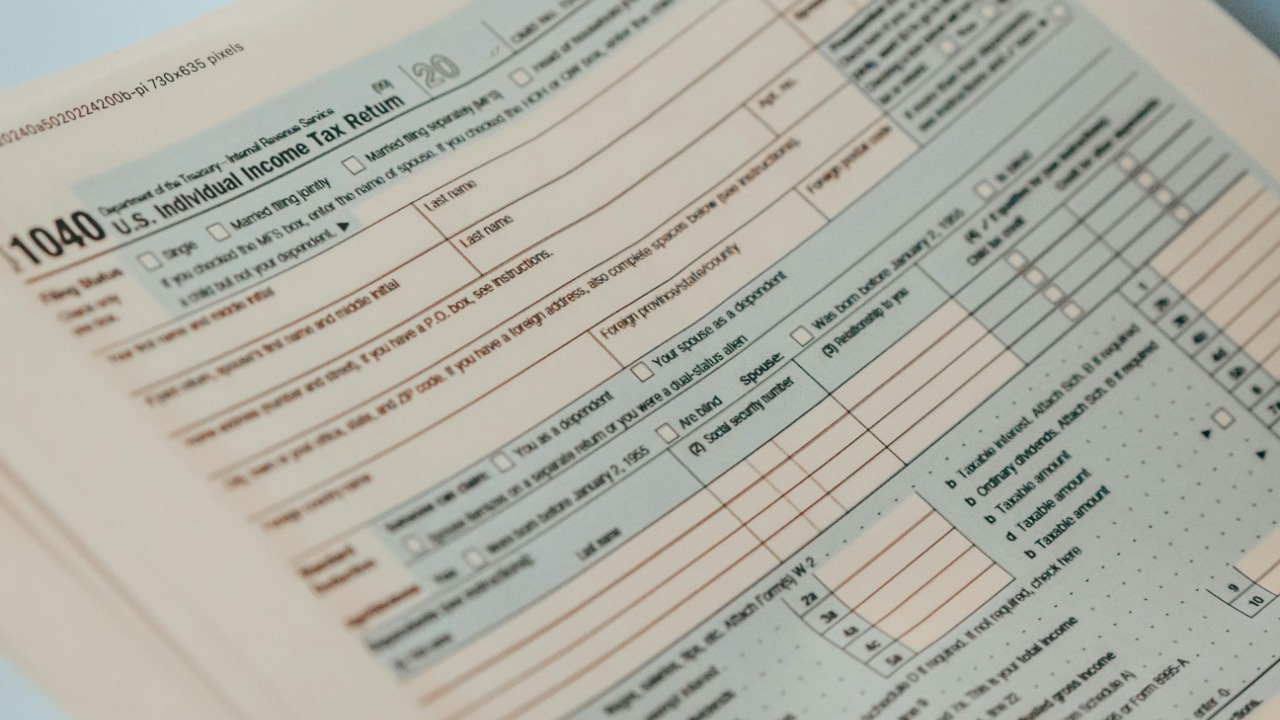
Once you know you qualify, the final step is making sure the deduction actually shows up on your tax return. The IRS instructs filers to report IRA contributions on the additional income and adjustments schedule that accompanies Form 1040, and the current Schedule 1 includes a specific line for IRA deductions. A detailed walkthrough on How IRA deductions work notes that you must report your contributions when filing your federal return and that the deduction reduces your adjusted gross income, which can in turn unlock other tax benefits tied to AGI thresholds.
For traditional IRA contributions that are not deductible, the reporting process is just as important, because it preserves your basis for future withdrawals. A guide to IRA tax deductions and a separate explainer on how to report non-deductible contributions both stress the need to file Form 8606 whenever you put after tax money into a traditional IRA. That form, referenced in the Individual Retirement Account reporting guide, tracks your cumulative non-deductible contributions so that when distributions begin, only the growth is taxed and your original after tax principal comes back tax free.
More From The Daily Overview

Julian Harrow specializes in taxation, IRS rules, and compliance strategy. His work helps readers navigate complex tax codes, deadlines, and reporting requirements while identifying opportunities for efficiency and risk reduction. At The Daily Overview, Julian breaks down tax-related topics with precision and clarity, making a traditionally dense subject easier to understand.

